Discipline, Miracles, and Death

Dancing in the Kingdom- Table of Contents

Dancing In the Kingdom – Part 1 – Shadows of the Kingdom – Chapter 6– A nation emerges

Discipline, Miracles, and Death

[Bible references: Genesis 15:13-14; Exodus 7-11; 12:31-36; 13:17-22; 16; 17:1-7; 20; 32; Numbers 13-14]

Miracles abounded.

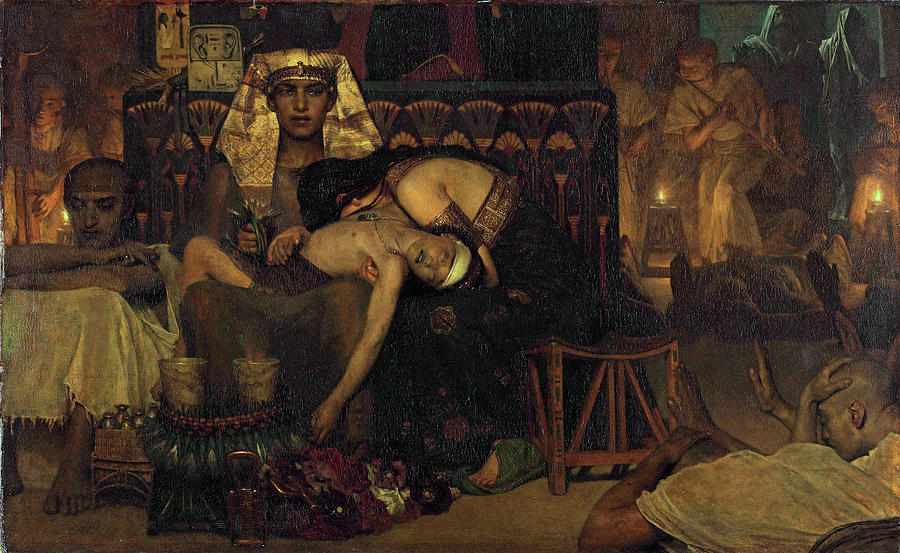
There were the ten plagues that God brought upon the Egyptian captors to show the Pharaoh that Yahweh was not just a local God in Canaan but that His power extended over all creation, even in the land of the Egyptian gods. In the process, the Pharaoh’s own heart continued to harden against Yahweh to the point where God would seal the Pharaoh’s fate and further harden the Pharaoh’s heart. In the end, it took the killing of the firstborn of Egyptian families, including the family of the Pharaoh to convince the Pharaoh to let people of Israel go. And even more, the people of Egypt also supplied the people of Israel with great wealth as they left. Some Egyptians even joined the people of Israel in their flight.

Then there was the miracles of the pillars of cloud and fire, which would continue until the nation entered the Promised Land, and the miracle which let Israel cross the Red Sea on dry land followed by the drowning of the Egyptian army. The pattern of punishing a nation that was used to discipline the people of Israel would be repeated throughout Biblical history.[1]

Once on their way, the Israelites experienced more miracles: a mountain enshrouded in a cloud where Yahweh talked with Moses and gave Moses the Commandments and other rules; manna and quail falling from the sky; springs of water in the desert. Despite seeing all those miracles, Israel wasn’t ready to have Yahweh lead them into the Promised Land to face the obstacles there, so God had them encamp in the wilderness for 40 years until all the adults who refused to trust Yahweh died. So many deaths must have happened, but scripture barely mentions them. Here we will see, not for the last time, that seeing miracles not only did not change hearts but that, even now, despite all the evidence that we see, that all our hearts seem predisposed to turn away from God.


[1] Ex: Egypt (Genesis 15:13-14), Babylon (Isaiah 13, 21,23),  and Assyria (Isaiah 10, 14; Zephaniah 2) were all used by God to discipline Israel

Observe

Read Exodus 8-10. In the narrative of the 10 plagues, several times we are told that Pharaoh hardened his heart, but then there came a time when Yahweh reinforced that trajectory and Yahweh hardened the Pharaoh’s heart. What kind of warning might that be?

Process is important

Dancing in the Kingdom- Table of Contents

Dancing In the Kingdom – Part 1 – Shadows of the Kingdom – Chapter 6– A nation emerges

Process is important

[Bible references: Genesis 15:12-21; Exodus 1:1-22; 11:1-10; 12:31-37]

After Joseph and the Pharaoh who knew him died, the growing nation of Israel became enslaved in the land of Egypt just as it had been foretold to Abraham. There are various questions that surrounded the captivity of Israel in Egypt:

  • When there was a drought, why didn’t Yahweh provide for the Israelites in Canaan instead of having them go to Egypt?
  • If they needed to be in Egypt, why did they need to be enslaved instead of just living there as guests?

We know that Yahweh told Abraham that a great nation would come from him and that they would be given the land of Canaan to live in. But why the side-trip into Egypt and why the slavery? The only reason given to Abraham was that “the sin of the Amorites was not yet reached its full measure.” 

The reason given to Abraham for being in Egypt follows a general pattern. Although God occasionally supernaturally intervenes in the course of events, it seems that God most often allows natural, normal processes to take place, whether they be physical, psychological, sociological etc. We see that process in living things: plants, animals, and even ecosystems grow through specific physical processes[1]. Even the great flood in Noah’s time only occurred after evil gradually, through normal psychological and sociological processes, eventually reached a particular threshold.


[1] Natural, physical processes are so well fixed and so well understood that they have become known as scientific laws.

Reflect

Joseph’s discipline involved finding God in the midst of difficult circumstances and discovering how God could use him there. Are there any difficult circumstances you struggle with? Have you found God at work in your life in those circumstances?

Observe

Read Exodus 11:1-10; 12:31-37. How did Yahweh provide for Israel as they left Egypt?

Dreams come true

Dancing in the Kingdom- Table of Contents

Dancing In the Kingdom – Part 1 – Shadows of the Kingdom – Chapter 5– Patriarchs

Dreams come true

[Bible references: Genesis 15:12-21; 42-46; 50:15-21]

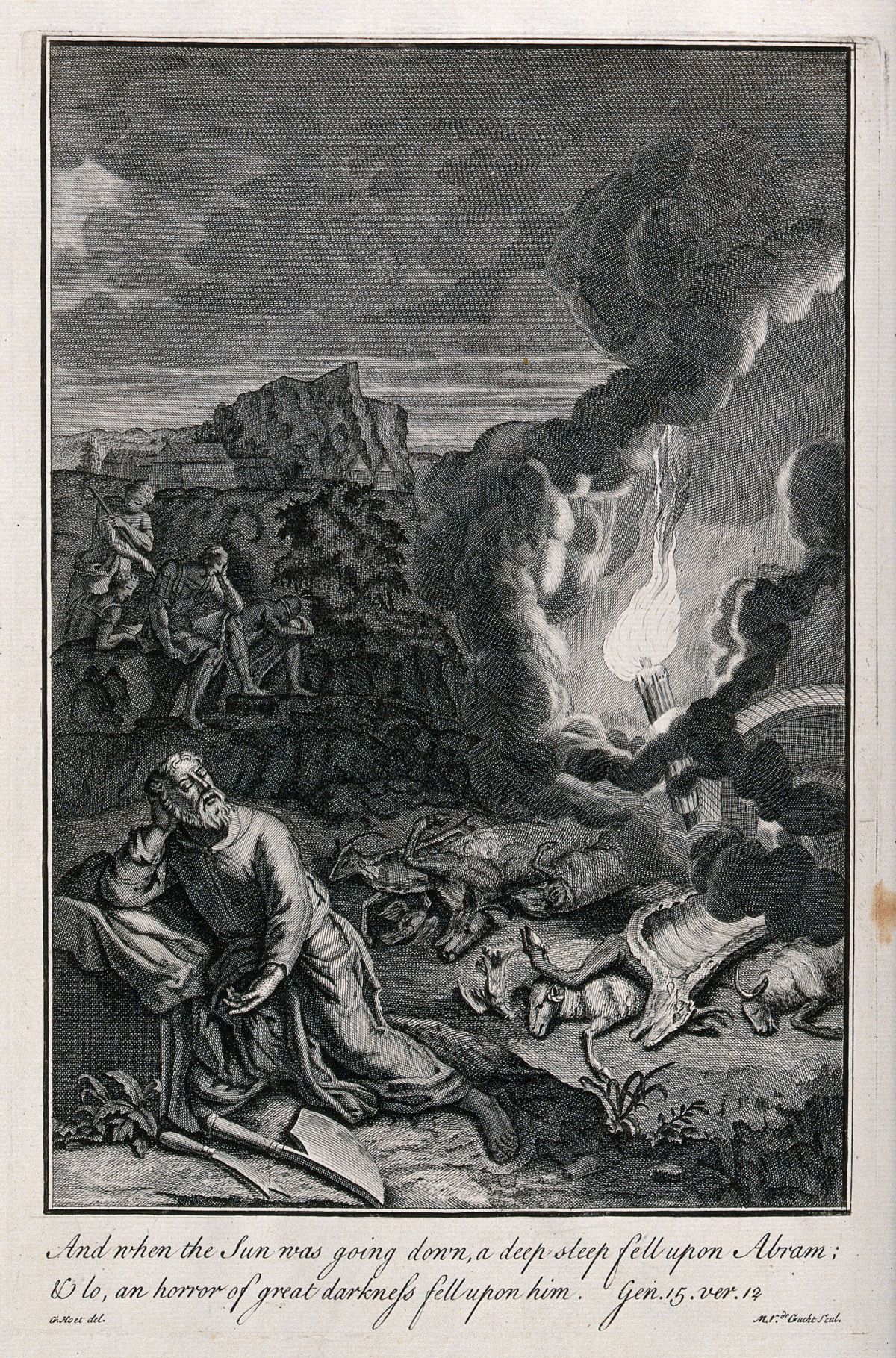
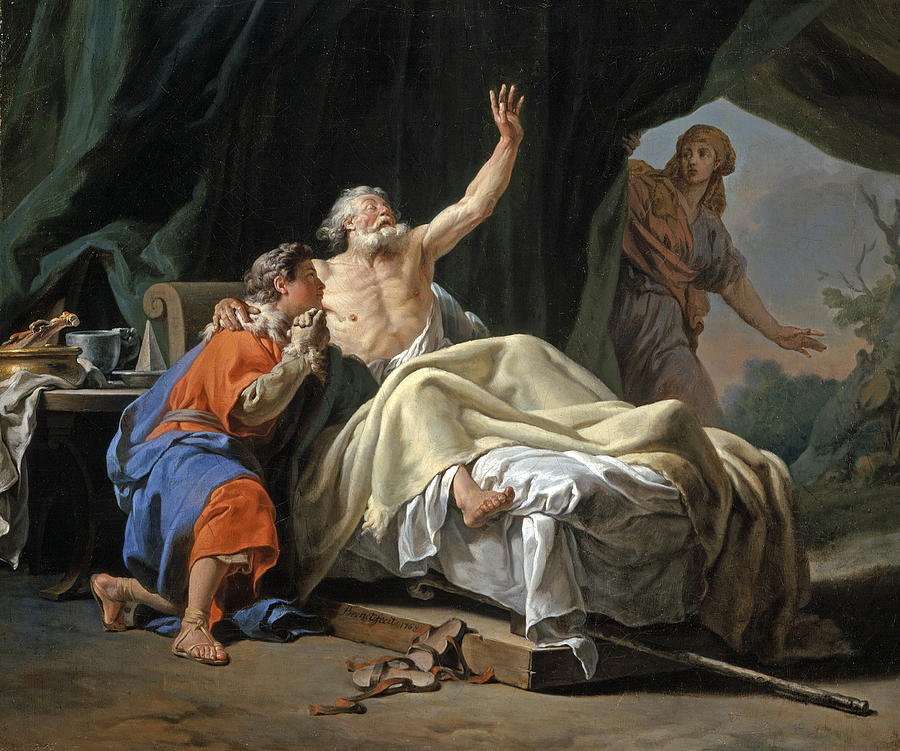
The drought extended up to the Promised Land where Israel was living. This gave the opportunity for Joseph to invite Israel and all the rest of the family to come to Egypt so that Joseph could support them. Joseph was able to see that while his brothers had intended to harm him, Yahweh was able to turn their evil intentions into a good thing. For a moment, Egypt seemed to be promising, but it wasn’t the final destination – it wasn’t the Promised Land. In fact, this provided the setting that Yahweh had revealed to Abraham in a troubling dream, that his descendants would be strangers in a land not their own and that dark times lay ahead before they would finally return to the Promised Land.

Observe

Read Genesis 50:15-21. Back in Canaan, Joseph used his dreams to put down his brothers, who responded by selling him into slavery. But when it came time for the dreams to be re-enacted in real life, he had a different attitude about those dreams. How does Joseph’s experience affect the way you view the events of life?

Bloom where you are

Dancing in the Kingdom- Table of Contents

Dancing In the Kingdom – Part 1 – Shadows of the Kingdom – Chapter 5– Patriarchs

Bloom where you are

[Bible references: Genesis 39:21-23; 40; 41]

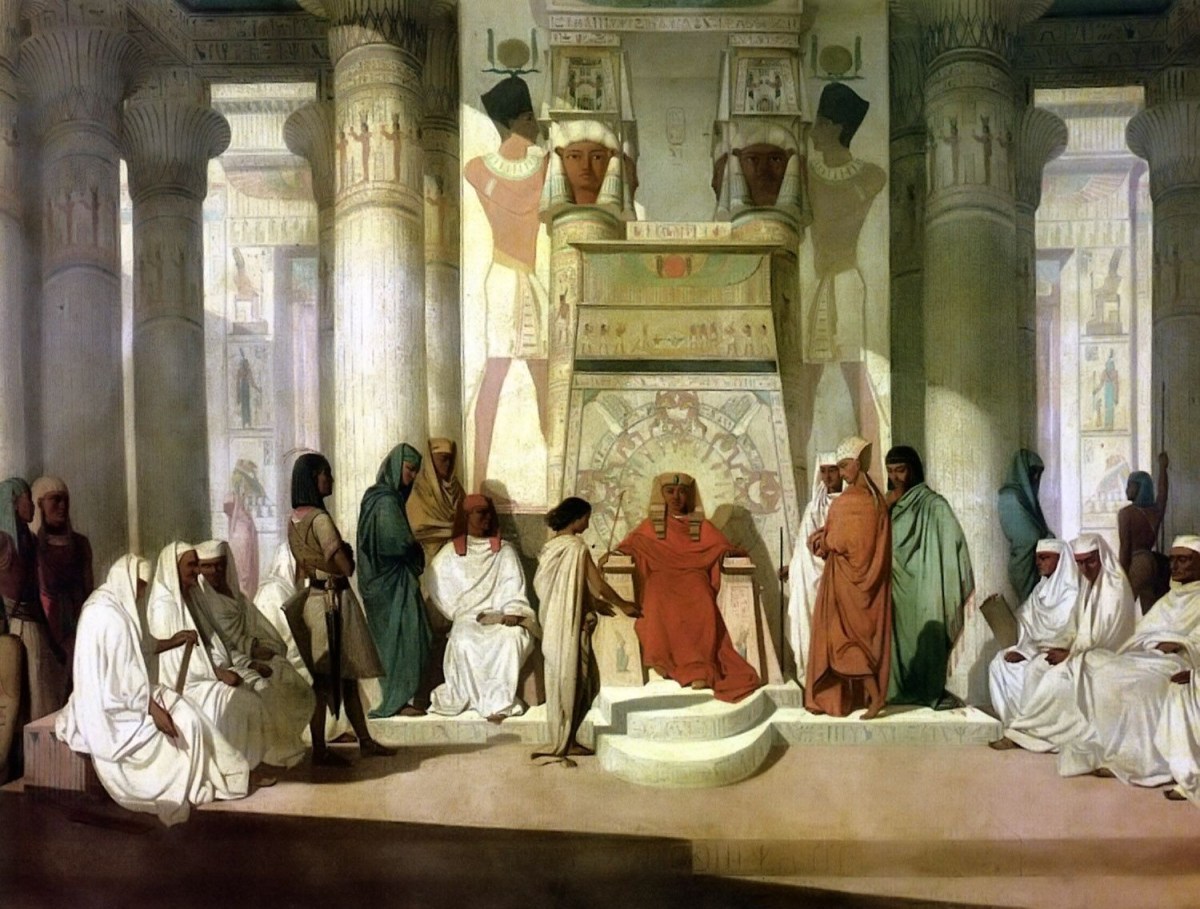
While Joseph was in prison, Yahweh continued to cause Joseph to prosper, inspiring the warden to entrust many things to Joseph. A couple of the prisoners had dreams to which Yahweh gave Joseph the interpretations. The predictions Joseph revealed to the prisoners did come true. Sometime later, when the Pharaoh had dreams that he wanted to have interpreted, he was informed about Joseph. Through the help of Yahweh, Joseph was able to interpret the Pharoah’s dreams as well. This led to Joseph being put in second-in-command to the Pharaoh through which he was able to oversee the harvesting and the storage of grain in preparation of a coming seven-year drought.

Observe

Read Genesis 37; 39-41. Because Joseph was the oldest son of Jacob’s favorite wife, Jacob made Joseph his favorite son – and spoiled him. It didn’t help when Joseph flaunted some dreams in front of his brothers who then found an opportunity to sell him as a slave. How did the hardship of slavery mold Joseph’s character?

Discipline and character development

Dancing in the Kingdom- Table of Contents

Dancing In the Kingdom – Part 1 – Shadows of the Kingdom – Chapter 5– Patriarchs

Discipline and character development

[Bible references: Genesis 37:1-11, 28-36; 39:1-20: 50:20]

Of Jacob’s 12 sons, Joseph was the most notable. Joseph was treated as Jacob’s favorite son and consequently developed a sense of self-importance which caused his brothers to become jealous. That led his brothers to sell him off to merchants traveling to Egypt where Joseph was sold as a slave to a captain of the Pharaoh’s guard. Yahweh blessed Joseph as the captain’s slave so that Joseph prospered in whatever he took care of, inspiring the captain to trust everything to Joseph. However, an unjust charge by the captain’s wife caused Joseph to be imprisoned.

Observe

Read Genesis 37, 41, 40. Joseph’s discipline involved finding God in the midst of difficult circumstances and discovering how God could use him there. Are there any difficult circumstances you struggle with? [1]

[1] One goal in the Benedictine order is stability. The idea is that God is everywhere and if you can’t find him where you are then you won’t find him anywhere. deWaal, Esther. “Seeking God”)

A higher order

Dancing in the Kingdom- Table of Contents

Dancing In the Kingdom – Part 1 – Shadows of the Kingdom – Chapter 5– Patriarchs

A higher order

[Bible references: 1 Samuel 3-4, 15-16; Matthew 8:5-13]

The case of Jacob and Esau is not the only example where Yahweh would choose to upset the common order of things. In this case, it was side-stepping the normal primogeniture and instead having the older sibling serving the other sibling. In other times it would be stronger serving the weaker, or sons being displaced by someone outside the family. This occurred when Samuel became high priest after Eli instead of Eli’s sons and when David became king after Saul instead of Saul’s son. In all these cases, we see God preparing someone new to lead while he arranged to end another’s leadership.

Reflect

Sometimes what looks like chaos to us is actually a pattern that we haven’t figured out. One example is encoded messages – we can’t read them without knowing the underlying order. What patterns from God confuse you?

Observe

Read 1 Samuel 3-4, 15-16; Matthew 8:5-13. The role of priest passed down from generation to generation, but God interrupted the process at least twice. How did that prepare the way for this story in Matthew?

Ordinary believers

Dancing in the Kingdom- Table of Contents

Dancing In the Kingdom – Part 1 – Shadows of the Kingdom – Chapter 5– Patriarchs

Ordinary believers

[Bible references: Genesis 17:17; 21:5; 21:1-7; 24; 25; 26:1-11; 27:1-29]

Meanwhile, the Biblical record for life of Isaac is unremarkable. God had blessed Isaac with wealth, however, the most notable events in his life were 1) failing just as his father Abraham had failed, Isaac also fearing that a local king kill him to get his wife, so Isaac, like Abraham, claimed that his wife was his sister and 2) when Isaac was preparing to die, he got fooled by Jacob into giving Jacob the primary blessing instead of his older twin brother, Esau. This incident just highlighted the favoritism Isaac showed to Esau and the favoritism his wife Rebekah showed to Jacob. Blessed, fallible, unremarkable, yet still used by Yahweh to accomplish Yahweh’s will.

Reflect

What is our prayer when we know that our time in this life is limited and most of us will not accomplish anything spectacular, and yet, God may use our life to achieve a greater impact than we realize?

Observe

Read Genesis 25:21-23; 27:1-29. What seems ordinary about how Rebekah interacted with Isaac in the way that would fulfill Yahweh’s prophecy?

Slow and steady

Dancing in the Kingdom- Table of Contents

Dancing In the Kingdom – Part 1 – Shadows of the Kingdom – Chapter 5– Patriarchs

Slow and steady

[Bible references: Genesis 17:5; 21:4-5; 26:34; Psalm 6; 2 Peter 3:8]

Yahweh said that Abraham would be the “father of many nations, ” but there was only one child born to Abraham and Sarah – and that child, Isaac, was born to him and very late in his life. Isaac would have only twins. And Isaac’s only children, Esau and Jacob were born late in Isaac’s life, so the “father of many nations” would die only seeing two grandchildren.

Reflect

God answers prayers on his timeline, not ours. He will fulfill his purpose for us – also on his timeline. Does that make you frustrated or assured?

Observe

Read Psalm 6. Sometimes we suffer long. What keeps us going in such times?

Pleading to God

Dancing in the Kingdom- Table of Contents

Dancing In the Kingdom – Part 1 – Shadows of the Kingdom – Chapter 5– Patriarchs

Pleading to God

[Bible references: Genesis 18:16-33; 1 Samuel 7:1-9; 2 Chronicles 30:1-20; Nehemiah 1:1-2:10; Philippians 1:3-10]

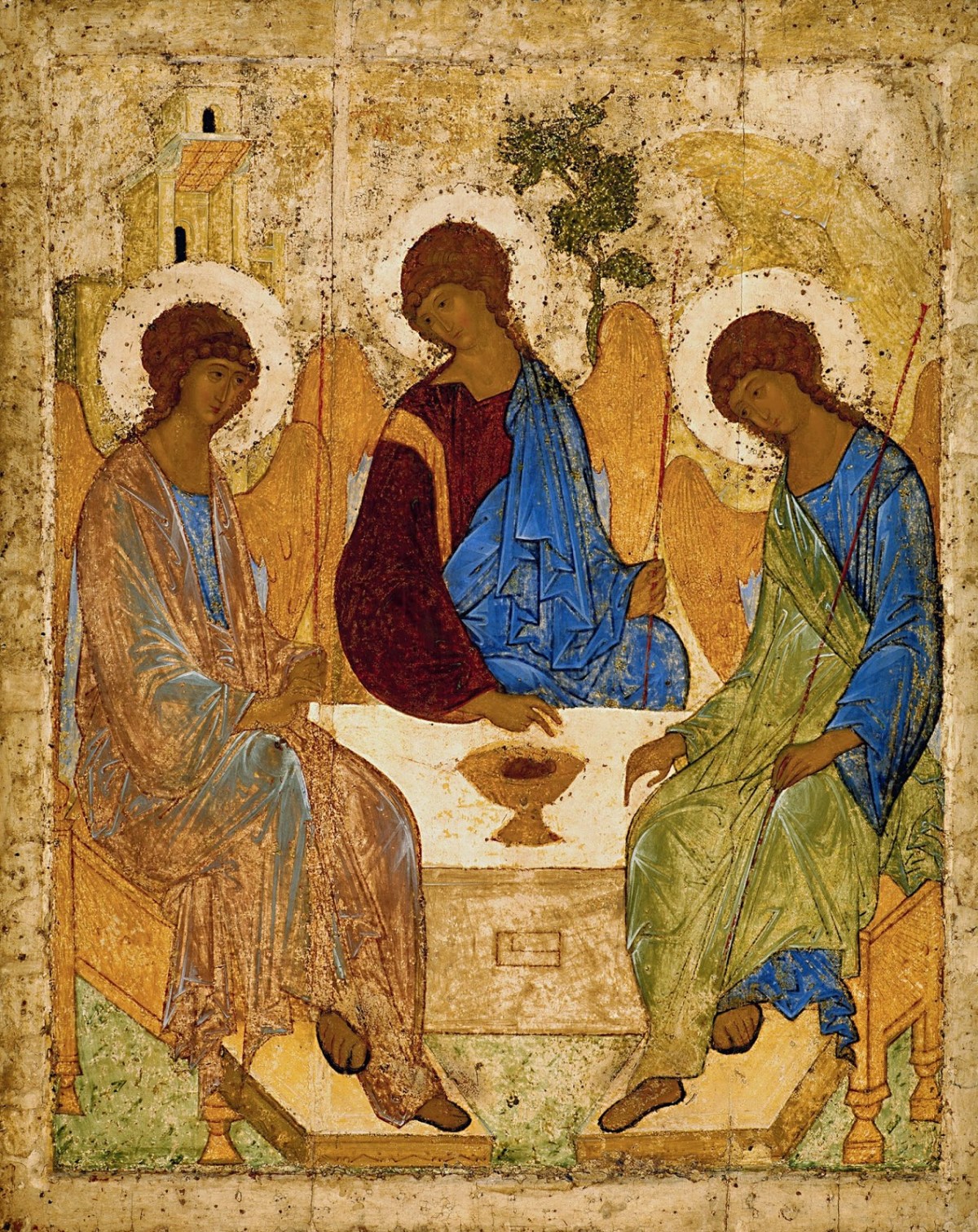
We don’t know the moment that Abraham recognized that one of the visitors was Yahweh, but it apparently happened by the time the visitors talked about Sodom and Gomorrah, which they were going to destroy. Concerned about his nephew Lot, who was living down there, Abraham made a plea to save the city if there were righteous people living in the city. At first, Abraham asked what if there were fifty righteous people living there, would they still destroy everyone there. When Yahweh said no, then Abraham asked, what about if there were 45 or 30 or 20 righteous people there.[1] Each time, Yahweh said that he would not wipe out everybody if there were only that many righteous people there. As it turned out, both Sodom and Gomorrah were destroyed after Lot and his daughters were given the chance to escape.


[1] De Young, Kevin. “Passionately Pleading with God is a Good Thing” The Gospel Coalition.org www.thegospelcoalition.org/blogs/kevin-deyoung/passionately-pleading-with-god-is-a-good-thing/

Observe

Read Genesis 18:16-33; 1 Samuel 7:1-9; 2 Chronicles 30:1-20; Nehemiah 1:1-2:10; Philippians 1:3-10. How are we encouraged to plead to God?

Walk of faith

Dancing in the Kingdom- Table of Contents

Dancing In the Kingdom – Part 1 – Shadows of the Kingdom – Chapter 5– Patriarchs

Walk of faith

[Bible references: Genesis 12:1-20; 15:1-6; 16:1-5; 17:1-14; 20:1-13; 22:1-18; 24:7; 28:16; 50:24; Romans 4:9; Hebrews 11:17]

Sometime after the scattering of nations, from the line of Shem and Noah, Yahweh called a man named Abram to leave his country in the Euphrates River Valley and go to a land “I will show you.” As Abram left his home country, at the age of seventy-five, God promised not only to bless Abram and his descendants but to bless the entire world though Abram. Despite his occasional failures, Abram (later named Abraham) is noted for his faith because he believed God and showed this by being obedient in following God’s instructions even when they didn’t make sense.

When Yahweh called Abram to journey to another land, we don’t know what particular experience Abram and brother and father had with Yahweh, but Genesis 24 and 31 indicates that they all knew of knew of Yahweh, even if they thought of Yahweh as one of many gods.[1] Even so, Abram must have had great faith when he took that journey to the Promised Land?[2] Then after Abram arrived in the Promised Land, what further questions may Abram have had when he experienced a deep drought in that same land, such that he needed to take a brief trip to Egypt?

After Yahweh told Abram, that he would make a great nation from him, Abram initially expressed his faith by his obedience when he took that journey to the Promised land. Again, when Yahweh showed him the stars and told him that his descendants would be as numerous as those stars, Abram believed, and Yahweh credited that to him as righteousness. Then Yahweh reiterated the promise again when Abram was 99 years old and changed Abram’s name (which meant exalted father) to Abraham (father of many nations).

God told Abraham that a great nation would come out of him and Sarah. Yet, this did not look promising when the only son born to Abraham and Sarah was Isaac who was not even born until Abraham was one hundred years old and Sarah was ninety. No wonder that Isaac was given a name that means “laughter.”


[1] Garris, Zachary. “Did Abraham Worship Yahweh Before His Call in Genesis 12?” Knowing Scripture knowingscripture.com/articles/did-abraham-worship-yahweh-before-his-call-in-genesis-12

[2] Although the term “Promised Land” is not used directly as the place of where Abram and his descendants were called to settle down in, there are several references to the “land that is promised you.”

Observe

Read Genesis 12:1-20. This renowned Patriarch of faith, Abram, believed Yahweh, and left his homeland to some destination that Yahweh would show to him. When Abram arrived at the place Yahweh led him to, he built an altar and set up his tent. Good start at a life of faith. Sometime afterwards, Abraham winds up in Egypt where he is now afraid for his life and asks his beautiful wife Sarah to say that she’s his sister instead of his wife, so that they people won’t kill him to get her. This does lead to complications we won’t discuss here but just to point out that we, never mind Abram, are subject to a wavering faith. Do you have incidents in your life where your faith wavered?

The Temple Maker

Dancing in the Kingdom- Table of Contents

Dancing In the Kingdom – Part 1 – Shadows of the Kingdom – Chapter 2 – The God who created

The Temple Maker

[Bible references: Genesis 1-2; Exodus 26; 1 Kings 6; Job; Psalm 8; 95; 100; 104 and others; Proverbs 8:22-31; Isaiah 44:21-28; 45:5-12; 51:4-12; 55:6-13; Matthew 26:61; I Corinthians 6:19-20; Revelation 21-22]

There has been much debate about how to interpret the creation account. There have been various attempts to understand creation as physical processes that had occurred (over shorter or longer periods, depending on your analysis) because in our current cultural context we default to thinking of creation in physical, scientific terms. But what if (surprise! surprise!) we consider the biblical text to be a theological text instead of a scientific one, about functional origins and not about material origins.[1]

The cosmos can only function as sacred space once God has inhabited it and people in his image are there. God is declaring purpose for the cosmos as an ordered space for people and as sacred space where he will dwell. This is what defines the divine activity …Adopting and promoting a vision and mission statement will not change how the institution operates. But it articulates a purpose and identity that may not have been realized or present before and proclaims that as its purpose. Genesis 1 is doing something similar. It is articulating a purpose through a mission statement (people living out their designated role as the image of God) and a vision statement (seeing the world around us as sacred space where God is living among his people and being in relationship with them). .[2]

In the last few decades, research has uncovered much more about the culture in the Ancient Near East than ever before. It has been discovered that in Ancient Near East cultures, the Genesis account would not have interpreted the creation account in terms of physical processes but rather in terms of assigning meaning and purpose. So, as we read the Creation account in Genesis 1, on the first three days the spaces of light and dark, waters above and below, and the land are being assigned a purpose. The next three days the populations of those spaces are assigned a purpose: the sun and the moon and stars, the birds and fish, the land animals.

In this perspective, the story of creation is seen more as a story about the dedication of a temple, where the universe and the world were dedicated as a sacred space, a space where God would dwell with his people. Therefore, the seventh day is when God rested from the act of dedicating the earth, which would now be the place where He would now live with his image-bearers. If you read Genesis 1-2, you will see that, unlike the other days, there is no “there was evening and there was morning.” That is because we are living in the seventh day.

The completion of God’s temple would be later remembered by the seventh day celebration of the Sabbath. Although God’s temple was completed by the seventh day, it was not a time where God ceased to do everything. The still continuing seventh day is the time when the “temple” which is our “home” is completed so that God and we, as his co-regents, can settle in and do the things that our home was designed for. Jesus in John 5:1-7 clarified this idea where he explained, “My Father is always at his work to this very day, and I too am working.” Living into this sacred space would entail us taking part with God in his continual acts of creating and sustaining the universe. That is the perspective of Eve, when she gave birth to Cain, she recognized that “I’ve created a man with Yahweh.”[3]

In Genesis 2, the focus moves to the humans God created and how they were to function in that sacred space where the Garden of Eden is the center. Genesis 2 is also where God’s name, “Yahweh,” begins to be used. Genesis 1 introduces the God as the Creator of the universe whereas Genesis 2 introduces the God who in establishing a personal relationship with the people he created uses a personal name.[4]

The cosmos that God created was intended to be a temple, the place where He would meet with his people. The temple/creation imagery permeates and unites all of scripture from the first book, Genesis, to the last book, Revelation. The temple/creation theme shows up in places like in the stories of Noah, Moses, and Abraham, in the construction of the Tabernacle and the Temple, in Job’s dialog with Yahweh, in the poetry of Psalms[5], in prophecies of Isaiah, in the body Jesus and in us as his Body and finally in the depiction of reuniting of heaven and earth. Each instance shows its own unique aspect of the temple, so that when combined with each other, they show a more complete picture of how God meets with us and provides for us and what he has intended for us. We see a complex picture of the temple as a physical place in Creation and at the same time the temple is within us, inside the bodies of all of those who call on his name. In both those cases we can see the provision of God who 1) abundantly fills all of Creation in ways that exceed our imagination and exceed the capacity of any book to tell and, 2) abundantly fills us with His strength and His Spirit so that we can fulfill the desire He has for us to “cultivate and keep” the abundant place He has provided for us.

One of the benefits of considering only the theological aspects of the Creation accounts, or the why of creation, is that we don’t have to be as highly concerned about the how of creation, or the scientific/physical accounts of creation. When scientific creation accounts are proposed and are not perceived to be correct because they don’t seem to theologically fit, we don’t need to despair. It may be that the various proposed scientific explanations simply don’t theologically fit because they just don’t or because we just don’t understand just how they could theologically fit. We know that the sciences are limited and that theories will change as more discoveries are made. Sometimes those theories may seem to move closer or further from our limited theological understandings, but our theology is not constrained by whatever the current science may indicate. In the meanwhile, we are free to explore the science and wonder in awe and marvel at just how God managed to do it all while humbly admitting that we don’t have the mind of God and how much higher his ways are than our ways.


[1] Walton, John. “The Lost World of Adam and Eve,” Proposition 3, InterVarsity Press. 2015 Kindle Edition. pp. 35-45; Driver, Cory. “Commentary on Genesis 1:1-5” Working Preacher 10 Jan 2021 www.workingpreacher.org/commentaries/revised-common-lectionary/baptism-of-our-lord-2/commentary-on-genesis-11-5-5; Carlson, Reed. “Commentary on Genesis 1:1-2:4a 12” Working Preacher Sept 2011 www.workingpreacher.org/commentaries/narrative-lectionary/creation-by-the-word/commentary-on-genesis-11-24a-5; Throntveit, Mark. “Commentary on Genesis 1:1-2:4a; or 1:1-5,26-2:4a 1 Working Preacher 1 Sept 2011 www.workingpreacher.org/commentaries/narrative-lectionary/creation/commentary-on-genesis-11-31-21-4

[2] Walton, John. “Material or Function in Genesis 1? John Walton Responds” Biologos 3 Apr 2015 biologos.org/series/reflections-on-the-lost-world-of-genesis-1-by-john-walton/articles/material-or-function-in-genesis-1-john-walton-responds

[3] Friedman, Richard Elliot, Commentary on the Torah, Harper Collins, 2003 Location 6942 of 37412

[4] There will be more discussion on that name in “Hope in the Brokenness,” Chapter 4

[5] Muran, Alexej. “The Creation Theme in Selected Psalms” Geoscience Research Institute 1 May 2015 www.grisda.org/the-creation-theme-in-selected-psalms

Reflect

Does viewing the universe as a temple affect the way we look at it?

Observe

Read Proverbs 8. This proverb personifies God’s wisdom. Read how God is describing how His wisdom is built into the very framework and fabric of this temple we call Creation. How can we sense God’s presence with us because of how His wisdom should be speaking to us?

Mystery of God’s name

Dancing in the Kingdom- Table of Contents

Dancing In the Kingdom – Part 1 – Shadows of the Kingdom – Chapter 2 – The God who created

Mystery of God’s name

[Bible references: Exodus 2-3]

 Many English-speaking Christians would say that, of course we know God’s name – it’s “Jesus,” or if you want to pronounce it in Hebrew it would be “Yeshua.” That would be true for the name of the Son of God. But what about God? The mystery of the name of God in the Old Testament has to do with the original Hebrew.

When God introduced himself to Moses, His name using modern Hebrew letters[1] would look like the next to the last line in the picture above. In older Hebrew it would have looked like the lines above it – the original characters are the top line . The original Hebrew language had no written down vowels, so these letters all represent consonants. In modern reading practices we mostly read silently to ourselves, but for most of history, it was more common to read out loud, so having written words with no vowel marks would not be a problem, because everyone would always be hearing the vowel sounds.

The difficulty in this case, is that in Old Testament times when Israel was in exile in Babylon, it came to be considered that the name of God was too holy to be pronounced. So, whenever someone would read that name, they would substitute the word “LORD,” which in Hebrew would be “Adonai.” In less formal settings, the Hebrew word, “Hashem,” which means “the name” would be used.

 That means that over time, the actual pronunciation of the word became forgotten. By the time English translations were produced, the translators adopted the Hebrew practice of using the word “LORD,” however, to distinguish the special name, the practice was to use a special way of spelling, “LORD.” What you will see in the English Old Testament, is the word “LORD,” using a capital “L” followed by “ORD” in smaller capitals.

As the centuries went on, Hebrew in general started to become less used and there was a concern about the pronunciation of all the Hebrew words. So back between the 7th and 10th centuries AD, a group of Jews called the Masoretes, added vowel markings to the Hebrew letters, except for the name of God.

During “Enlightenment,” many Christians started to feel less constrained by the holiness of God. So back in the 1800s, when Germany was center of the academic world, and the Christian academics made an attempt to try to pronounce the long unpronounced יהוה. In Hebrew, the letters are written right-to-left and corresponded to the English letters YHVH. The next step was to figure out the vowels, so they used the vowels for the Hebrew word for God, Eloah. And then, because the German language didn’t handle words beginning in “Y,” the “Y” became “J” with the resulting pronunciation being “Jehovah.” So that became the standard pronunciation in English for more than a century.

In recent decades there has been accelerating research in archeology of the Ancient Near East and researchers started to question the standard pronunciation. Currently, most scholars are in agreement to use ‘Y’ instead of ‘J’ as the first consonant and now understand that in Old Hebrew the third consonant should have a “W” pronunciation instead of “V.” Then they determined that they should use the vowels from the word “Hashem” which led to the pronunciation of “Yahweh” for the Hebrew name of God.

A new level of understanding can be obtained if we take another type of look at the letters in the name, יהוה or  . Particularly, if we look at the older letters of the Hebrew language, we can see that the letters are pictorial, that is they represent objects or actions.  The first letter represents either a hand or an activity of doing something. The second and fourth letters represent windows or revealing something. The third character represents a nail or fastening something. That means that the name God revealed to Moses means, according to the letters, “Hand revealed, Nail revealed.”


[1] Shurpin, Yehuda. “What is the Authentic Ancient Hebrew Alphabet?” Chabad.org www.chabad.org/library/article_cdo/aid/3582435/jewish/What-Is-the-Authentic-Ancient-Hebrew-Alphabet.htm

Observe

Read Exodus 3. What difference would it make to the Israelites that their God has a name?

The “impossible” Trinity and the nature of God

Dancing in the Kingdom- Table of Contents

Dancing In the Kingdom – Part 1 – Shadows of the Kingdom – Chapter 2 – The God who created

The “impossible” Trinity and the nature of God

[Bible references: Exodus 3:1-4:17]

It didn’t take long for the church to develop different ways to try to understand how there is only One God but there also is God the Father, God the Son, and God the Holy Spirit[1]. Can Jesus or the Holy Spirit be God if there is only one God? How can Jesus be God and human? Are the Father, Son and Holy Spirit three persons, or three representations of God? What is a person? If we accept that people have souls with minds, wills, and emotions, what does that mean about God? Yahweh seems to have a mind, will and emotions. We can also ascribe mind, will and emotions to God the Father, God the Son and God the Holy Spirit.

There is no logical human explanation and yet the church has managed to split over how to explain this. One explanation is that God is one in Essence, and three in Person. The complication is that Yahweh has the characteristic of a person, but do we say that Yahweh is an essence and not a person? The Bible doesn’t explain what we call the Trinity, it just reveals that there apparently is one God, who seems to have the characteristics of a person and apparently also three persons in God the Father and God the Son and God the Holy Spirit.

The doctrine of the Trinity is impossible to fully understand. How can there be the one person God and yet we have three persons: God the Father, God the Son and God the Holy Spirit? And how do the Father, Son and Holy Spirit relate to each other? How do we explain Jesus? If he is God, then how can God, who exists outside of and is independent of the universe He created, yet become a part of it, taking on flesh and blood? These problems have caused endless debate and division within the church, resulting in schisms that persist to this day.

The Bible doesn’t even try to explain this situation, it just hints at it in some spots and presents it in others. The New Testament church didn’t even try to clarify it for a hundred years. And when the church did begin the process of trying to define and explain it, the conversation got complicated by Greek philosophy and language differences between Greek and Latin. When Jesus stated that He was equal with the Father, many Jews considered it blasphemy. After all, as part of their discipleship process, one of the most important scripture verses that they memorized was the Sh’ma, “Hear O Israel, the LORD our God, the LORD is one.” What separated Israel from the cultures around them was that Israel professed to have one God but those around them had many gods.


[1] Ligonier Editorial. “The Trinity” Ligonier www.ligonier.org/guides/the-trinity; Taylor, Justin. “What do we mean by Person and Essence in the Doctrine of the Trinity” Gospel Coalition www.thegospelcoalition.org/blogs/justin-taylor/what-do-we-mean-by-person-and-essence-in-the-doctrine-of-the-trinity/; Perman, Matt. “Understanding the Trinity: How Can God Be Three Persons in One?” Cru www.cru.org/us/en/train-and-grow/spiritual-growth/core-christian-beliefs/understanding-the-trinity.html; Encyclopedia.com “Person (In Theology)” Encylcopedia.com www.encyclopedia.com/religion/encyclopedias-almanacs-transcripts-and-maps/person-theology

Observe

Read Exodus 3:1-4:17. We know from Moses’ story that he knew about his Hebrew roots, although the stories of Abraham, Isaac and Jacob probably sounded like fantastic stories to a people living in captivity. Would your response be like Moses?

Paradoxes and Mysteries

Dancing in the Kingdom- Table of Contents

Dancing In the Kingdom – Part 1 – Shadows of the Kingdom – Chapter 2 – The God who created

Paradoxes and Mysteries

[Bible references: Genesis 1-2; Job 9; Psalm 8; 19; 103, 104; 139; Proverbs 8; Job 38-39; Isaiah 55:9]

When we look at a work of art, what can we tell about the artist? What can we find from the skill in using materials, the subject matter, the emotional content, the values? We may be able to figure out a few things, but all-in-all we can discern very little. To learn much more we need the artist to reveal not just more about the artwork but also about him or herself.

“People always want to know what inspires you to make art … think beyond the artist statement. Artists are living beings with thoughts, feelings, and ideas … explain who you really are” [1]

 “Besides making art, storytelling skills are the most valuable in achieving a gratifying journey as an artist. Your storytelling skills enhance your ability to achieve your goals. Art and stories, both written and told, are powerful tools to touch people. When art and stories are woven to work together, they create a compelling experience for artists and their followers.”[2]

So, as we begin to explore what we can know about the Creator, we also begin by looking at his artwork (that is, the creation)[3] but then we need to hear what the Creator has revealed about himself to us (that is, through the Holy Bible).[4]

So, let us begin by looking at the living things God created. Sometimes, we think we can look around us and figure out what is living and what is not; but when look at the spectrum of living things, especially through the eyes of the scientists who specialize in it, it becomes more difficult to try to come up with a definition for life. In fact, one organization catalogued over one hundred definitions[5] … and none of those definitions satisfy everybody. What does that say about the one who created those living things?

If we get so confused about what was created, it is likely that we will get confused about the Creator. When Job challenged God, Yahweh responded, “Where were you when I laid the foundations of the earth?” In Isaiah, God explicitly says, “My ways are higher than your ways.” There simply are things about God that are beyond our comprehension, mysteries, which should give us a spirit of humility.

Because much about God is mysterious and beyond understanding, we naturally find that the Creator is full of paradoxes: characteristics that seem to oppose each other. When we do encounter apparently conflicting statements about God, we must hold those qualities in tension with each other. Sometimes we might not totally understand how these characteristics can all be true together, but that is what we should expect. If we cannot fully comprehend the creation, why should we think that we can fully comprehend the Creator. We should also consider that if we ever think that we totally understand the Creator of the universe then we probably are not understanding things correctly – we are probably creating a god in our own image rather than the other way around.

This inability to totally understand God leaves us often making speculations as we try to find a way to reason things about God. We then have to be careful, if we make dogma out of our speculations, we will likely create all sorts of arguments with each other. We will see in future chapters that various theologians and congregations have sometimes split up over some of those very issues which no one can fully understand.


[1] Sayej, Nadjz. “How Artists Use Video Storytelling to Connect with Their Audience” Artrepeneur, 21 Feb 2018, abj.artrepreneur.com/video-storytelling

[2] Davey, Barney. “Personal Storytelling for Artists & Creatives” Marketing Courses, mymarketingcourses.com/p/personal-storytelling

[3] Ross, Hugh. “The Major Biblical Creation Texts/Creation Accounts” Reasons to Believe 1 Aug 2008 reasons.org/explore/publications/articles/the-major-biblical-creation-texts-creation-accounts

[4] Rusbult, Craig. “How should we interpret the Two Books of God, in Scripture & Nature” American Scientific Affiliation www.asa3.org/ASA/education/origins/two-books.htm

[5] Chamary, JV. “A Biologist Explains: What is Life”, Forbes 27 Mar 2019; Zimmer, Carl. “What is Life? Its Vast Diversity Defies Easy Definition” Quantamagazine, www.quantamagazine.org/what-is-life-its-vast-diversity-defies-easy-definition-20210309/

Reflect

Observe

What speaks to you, or confuses you about God’s character when you look at Creation?

Read Psalms 8; 139. The One who created the outermost part of the universe also knows the innermost part our lives. What difference should that make in our lives?

Hope in the brokenness

Dancing in the Kingdom – Table of Contents

Part 1 – Shadows of the Kingdom, Chapter 4 – Deforming the intended direction for creation

[Bible references: Genesis 2:16-17; 3:14-15, 23; Psalm 4; Hebrews 1:1-4]

Everything was broken and separated from God. Spiritual death, the impaired relation between God and His image-bearers was immediate and would be mirrored by the physical death caused by separation of the people who would no longer have access to the Tree of Life. This was a great tragedy that could not be undone, not by the image bearers. But as we look around us, we can see that, despite the tragedy around us, things aren’t totally bad. Even though evil is very evident around us, goodness is also evident. It is in that observation that we can glimpse the possibility of hope.

God had ordained the penalty of death, spiritual and physical, to be the consequence of turning away from him. Spiritual death, the separation God’s image-bearers from God happened immediately, but physical death, the separation of soul and body, did not happen right away. What God did, was to apply discipline to his image-bearers. He also gave a hint of the solution to the problem created by sin, the first of many other hints that were to come.

There was also evidence for hope in the continued creation by God, as he continued to sustain the universe he created, and within that universe He continued to create new living things, plants, and animals alike. Related to that hope, was that the mandate given to the image-bearers was still in force, although there would now be suffering involved in the fulfillment of the mandate.

There was also hope hidden in God’s very name. The name given to us, which was given to Moses and first revealed in Genesis 2, is “Yahweh” (Hebrew, יהוה). In the ancient Hebrew, the characters would have looked a little different and each character would represent an object or action.[1] In Hebrew, the characters are read from right to left. The first character (י) represents a hand or arm and could also represent work or worship. The character (ה) represents a man with arms raised and could also represent displaying or revealing something. The (ו) character represents a nail or tent peg and could also represent fastening something together. So, embedded in the name יהוה is the message “hand revealed nail revealed” – a foretelling of Jesus’ sacrifice on the cross.

The sacrifice of Jesus followed a life in which Jesus successfully waited to receive those things that His Father intended to give, resisting the temptation to grab those things for himself. In his life and death, Jesus successfully accomplished what Adam and all those who came after Adam had not.

In the beginning, we were eager to grasp for ourselves wisdom and the knowledge of good and evil on our own terms. What we didn’t plan on the consequences that would follow. Sometimes God gives us what we think we want even though it would bring us the suffering that God was trying to steer us from. It’s a continuing pattern we see from the beginning until now, that it is not always a good thing when we get what we think we want.


[1] Benner, Jeff A. “Hebrew Alphabet Chart”

Reflect

It’s not hard to see signs of brokenness around us. Are there any signs of hope that can be seen?

Observe

Read Galatians 3:13-14; Ephesians 1:11-12; Jeremiah 29:11; Isaiah 1:26; Matthew 17:11; Acts 3:18-26. Throughout the Bible, God has chosen to share his future plans in pieces at a time. Because of that, what exactly those plans are, have been the subject of much debate within the church. What is your understanding of God’s plans for the future?