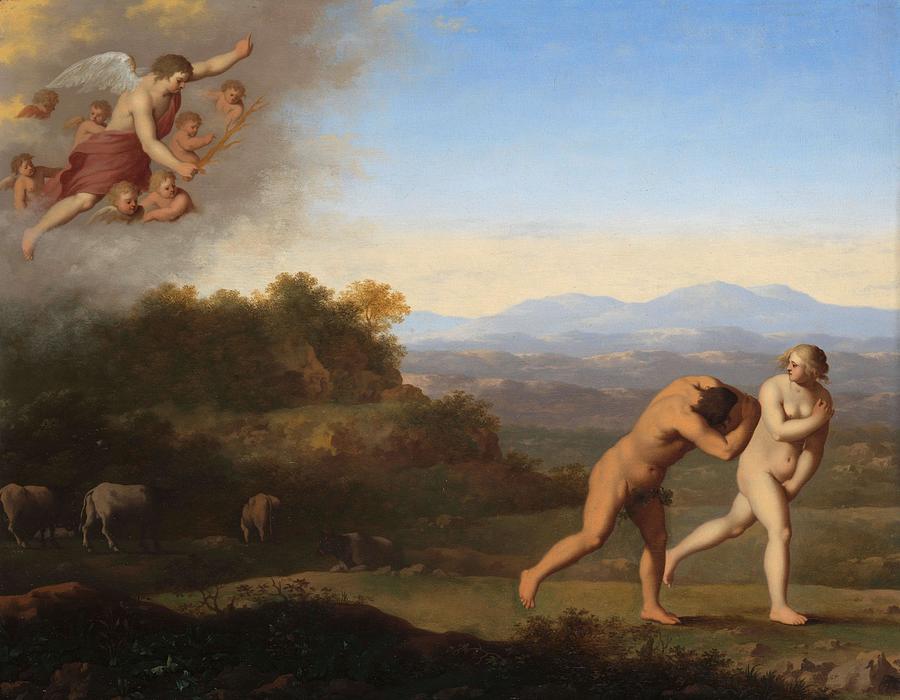
Discipline of Fasting

Dancing in the Kingdom- Table of Contents

Dancing In the Kingdom – Part 3 – Dancing in the Kingdom– Chapter 15 – Reforming our Souls

Discipline of Fasting

[Bible references: Isaiah 58:1-14; Ezra 8:21-23; Matthew 6:16-18]

By the help of the merciful Lord our God, the temptations of the world, the snares of the Devil, the suffering of the world, the enticement of the flesh, the surging waves of troubled times, and all corporal and spiritual adversities are to be overcome by almsgiving, fasting, and prayer.[1]

“More than any other Discipline fasting reveals the things that control us.” [2]

Fasting breaks up habits to let us see our lives in new ways or to enable us to pray at new times or in new ways. Because we are stopping something for a finite period of time, there’s an unfamiliarity and discomfort to it that can be very instructive, open up time for prayer, and draw us closer to God.”[3]

“In every culture and religion in history, fasting has been an instinctive and essential language in our communication with the Divine.”[4]

The pursuit of God can be described as in Psalm 37, to trust in, to delight in, to commit to, to wait on, and to be silent before the Lord; these are words of “giving up” of “going without” whatever the world offers and instead resting in God. The discipline of fasting then looks like learning to go without while learning to rest in, to fight through our appetites so that we can remain focused on the act of pursuing God and loving others, to push through our hunger pains so that we can discover we’re just fine on the other side of them, to look to God, to talk to him, to open ourselves to him in confession, to not so much as give up anything, but to commit to hearing the voice of God in our lives. The goal of fasting is to pursue God, to turn our hearts and our loves towards God and neighbor.

There are many reasons Christians are led by the Holy Spirit to the spiritual discipline of fasting, a few of them are: to strengthen one’s prayer life, to seek direction for one’s life, to express grief and loss, to seek deliverance and protection for life, to express repentance and reconciliation with God. to humble oneself, to express concern for the work of God, to minister to the needs of others, to overcome temptation and rededicate oneself to God, to express love, devotion, and worship of God, to establish rhythms between absence and abundance.

Simplicity and Gratitude can be precursors to fasting. Once we have determined how to order our lives then we are better equipped to identify those things that stand in our way and in the lives of those around us, not only the good vs. bad things, but the good things that detract us from the best things. The Gratitude for God and His provision can set our attitude in preparation for fasting.


[1] Sister Mary Sarah Muldowney The Fathers of the Church: A New Translation Writings of Saint Augustine Vol 17 Fathers of the Church 1959 Sermon 207 (p. 89)

[2] Foster, Richard J. Celebration of Discipline.  Harper & Row Publishers ©1978 (p. 48)

[3] Baab, Lynne M. “The Surprise of Fasting” Lynnebaab.com www.lynnebaab.com/blog/the-surprise-of-fasting

[4] Ryan, Thomas. The Sacred Art of Fasting: Preparing to Practice Skylight Paths 2005

Observe

Read Isaiah 58:1-14; Ezra 8:21-23; Matthew 6:16-18. The benefit of fasting does not come just from deprivation. What should accompany fasting?

The Discipline of Simplicity/Stewardship

Dancing in the Kingdom- Table of Contents

Dancing In the Kingdom – Part 3 – Dancing in the Kingdom– Chapter 15 – Reforming our Souls

Discipline of Simplicity/Stewardship

[Bible references: Genesis 1:28; Psalm 33:5; Micah 6:8; Hosea 6:6; Matthew 25:35-40; Luke 16:13; John 13:34; 1 Corinthians 3:9; 4:2; 9:24-27; 2 Corinthians 1:12; 9:6-8; Galatians 6:6; Philippians 4: 4,8-13; 1 Timothy 5:8; 6:6-10, 17-19; Hebrews 3:5; 12:1-3; James 1:17; 1 Peter 4:10; 1 John 3:17]

The central point for the Discipline of simplicity is to seek the kingdom of God and the righteousness of His kingdom first – and then everything necessary will come in its proper order.[1]

There’s no point in simplifying your life if you are steering toward an end point that doesn’t matter to begin with.[2]

My schedule is far less about what I want to get done and far more about who I want to become.[3]

“We do not mean . . . that simplicity betrays itself in no visible signs, has not its own habits, its distinguishing tastes and ways; but this outward show, which may now and then be counterfeited, must not be confounded with its essence and its deep and wholly inward source. Simplicity is a state of mind. It dwells in the main intention of our lives. A man is simple when his chief care is the wish to be what he ought to be . . . And this is neither so easy nor so impossible as one might think. At bottom, it consists in putting our acts and aspirations in accordance with the law of our being, and consequently with the Eternal Intention which willed that we should be at all.”[4]

“If you want to have a spiritual life you must unify your life. A life is either all spiritual or not spiritual at all. No man can serve two masters. Your life is shaped by the end you live for.”[5]

It is not enough to simply pare down one’s possessions or schedule, because they can become their own ends or become undone because we have not dealt with our habit of filling our time or possessions with something else. To successfully practice simplicity, we must have a clear center, a clear purpose. It is from that purpose that we can decide how to spend our time and resources so that our decisions can be based on how they fit our priorities. An indicator of whether you achieved your purpose can be if you feel fragmented and restless. Without a clear purpose, short-term distractions and pleasures can hijack our progress towards our long-term goals. Therefore, the goal of simplicity is to gain integrity of spirit, reduce temptations, distractions, and the need/desire for things so that we can better serve God.

Setting our priorities

To reach these goals, we must do less of some things but more of others. True simplicity is doing less of what matters least, and more of what matters most. You don’t just empty your life of the bad, you fill it with the good. Having a purpose allows you to discern whether a particular area of life should be constricted or expanded; purpose produces priorities. Once our priorities are set then we can make meaningful decisions about our activities. We may need to declutter our lives: we may have too many things in our home, or too many activities in our lives. What detracts our attention from our priorities? What things should we say “no” to? What habits do we have that move us from our goals?

The discipline of simplicity includes determining who we want to be and setting goals to achieve that, then setting our priorities, and then arranging our use of time, money, our spiritual gifts, and our relationships to meet those priorities. Simplicity is the essence of stewardship.

Stewarding our resources

Once we have centered ourselves and established our priorities then we can focus on how to manage the limited resources that we must accomplish the responsibilities God has given us. It is easy to get overwhelmed by all the needs we see around us in the world, it seems that there are not enough resources to meet the needs of the world. That is why we need to figure out what responsibilities God has to us individually. Then we need to trust God to provide what we need to for those responsibilities (Philippians 4:19 And my God will supply every need of yours according to his riches in glory in Christ Jesus.)

If we have set our priorities properly, then our priorities should be aligned with God’s priorities and desires. In Gen 1:28, we can see that stewardship is the first assignment God gave humans, so part of what we need to consider is what individual things that we, as individuals, have been given stewardship responsibilities over. We also need to consider God’s desires for how we carry out those responsibilities. We know that His desires are for us to love God and neighbor, act with justice and mercy, have a generous and overflowing love towards others (including our families, our fellow believers, and those in need) and to take care of the world he has provided for us.

As His stewards, we need to consider how to use the blessings God had given us, to serve in the way he would have us do so that we bring glory to Him in all that we do. We are not just a person with a vocation, or just a member of a family, or just a church member, etc. We are a who not a what. We are people created by God to be in relation with him and with others, and with multiple obligations.


[1] Foster, Richard J. Celebration of Discipline Harper & Row Publishers ©1978 (p. 75)

[2] Hybels, Bill. Simplify: Ten Practices to Unclutter Your Soul.  Tyndale Momentum 2015

[3] Hybels, Bill. Simplify: Ten Practices to Unclutter Your Soul. Tyndale Momentum 2015

[4] Wagner, Charles. The Simple Life. McClure, Phillips & Co. 1901

[5] Merton, Thomas. Thoughts in Solitude.  Farrar, Straus, and Giroux 1999

Reflect

What habits in your life move you away from pursuing God?

Observe

Read 1 Corinthians 9:24-27. How would following the advice in this passage help us to be better stewards?

Basics of the faith

Dancing in the Kingdom- Table of Contents

Dancing In the Kingdom – Part 2 – The Kingdom Revealed – Chapter 12 – Launching the church

Basics of the faith

[Bible references: Acts 1:12-26; 2:42-47; 4:32-37; 6:1-6; 8:14-17; 9:26-31; 11:1-18; 13:1-3; 15;1-29, 36-41; 1 Corinthians 1:10-17; 5:1-13; 6:1-11; 10:1-22; Galatians 2:1-14; 3:10-14. James 2:1-13; 3:1-12; 4:1-16; 2 Peter 2:1-22]

There are many aspects of the gospel, but it is nothing if it is not grounded in truth, about God and about us. But the truth is not the only thing, in fact, the whole truth of the gospel must be grounded in God’s character. The gospel is not just a set of facts that need an intellectual assent but good news that calls us to make an honest assessment of ourselves and to make a change of trust and allegiance.

The gospel is good news.

  • The gospel is the good news that God created us to pour his love into us.
  • The gospel is the good news that even though we are born in rebellion against God and are unable to keep doing things that separate us from him, that he has taken upon himself the punishment we deserve so that we don’t have to.
  • The gospel is the good news that when Jesus was resurrected and ascended into heaven, He went prepare a place for us there.
  • The gospel is the good news that if confess our sins then He is faithful and just and will forgive us our sins and cleanse us from all unrighteousness.
  • The gospel is the good news that once we begin our journey of trusting Jesus, then we begin the process of becoming more like Jesus.
  • The gospel is the good news that all of that and more is true.

There are various reasons that we sometimes don’t want to accept the good news. One of the biggest reasons is that we don’t want to acknowledge how bad we are and how deeply sin affects us. When we feel that way, we can start to imagine that we can balance out the good things we do with the bad things we do, and we’ll end up all right and God will be happy with that. But the gospel message is that,

  • the bad news is that our very nature is in rebellion against God and no amount of good works can make us unrebellious.
  • the bad news is that we can’t earn our way to a right relationship with God.
  • the bad news is that if we are not made right before God then we will suffer God’s judgement and wrath.
  • the good news is that Jesus paid the penalty for all our sins, past, present, and future.
  • the good news is that we can be made righteous through faith.
  • the good news is that it is by God’s grace that we are saved through faith. It is a gift – in fact, it can’t be something we earn.
  • the good news is that we only need to repent and confess our sins and receive His forgiveness.
  • the good news is that we can allow God to transform our lives and enable us to live lives that are pleasing to him.
  • the good news is that once God imparts his righteousness to us, we become his heirs.

Once we put our trust in Him, he does not automatically make us sinless. That won’t happen until he returns; and we all are resurrected with new, transformed bodies. It is through our untransformed bodies that we inherit the sin nature.

  • The good news is that the day of resurrection will happen.
  • The good news is that, between now and then, we can offer ourselves to God and He will, over time, begin the transformation process here in this life.
  • The bad news is that until then we will continue to rebel against God.
  • The good news is that in this in-between life that God can use our current struggles to strengthen us.
  • The bad news is that unbelievers will regard us as foolish.
  • The good news is that our apparent foolishness in committing our lives to Jesus is actually wisdom.

There is a lot of good news for us, and it’s based upon the truth of Jesus. Truth is important for Jesus, and in fact, he claims that He himself is the truth. The gospel is based on the truth, so it matters that we get the facts straight. That is why, one of the concerns expressed in the New Testament is the need to hold onto sound doctrine.

Read Galatians 3:1-12. What part of the gospel were the Galatians struggling with?

Inheriting the kingdom

Dancing in the Kingdom- Table of Contents

Dancing In the Kingdom – Part 2 – The Kingdom Revealed – Chapter 11 – The Kingdom Enters

Inheriting the Kingdom

[Bible references: Matthew 5:1-12; 18:1-9; 19:13-14; 25:34; Luke 18:15-17; John 3:1-8; James 1:4]

The Beatitudes are not parables but rather descriptions of the type of people who are in the kingdom of heaven (first and last beatitudes) and the blessings that they shall obtain.[1] The poor in spirit are those who see themselves powerless, helpless in themselves and unworthy regarding Yahweh;[2] they know that they may be loved by God, but they are broken and not worthy of that love. Those who mourn are those who mourn for their sin, for loss, injustice, etc.[3] The meek are those who trust in Yahweh are will wait for Yahweh even in the face of opposition.[4] Those who hunger and thirst after righteousness are those who want justice as much as they do food and are willing to take action for it.[5] The merciful are those who respond to the mercy shown them by Yahweh by showing mercy to those who need it.[6] The pure in heart are those who stay away from deceit and want the glory of Yahweh.[7] The peacemakers are those who pray for and pursue peace even for those who persecute them.[8] Those who are persecuted for righteousness’ sake are those who are persecuted because of their pursuit of righteousness but not because they were not merciful or not poor in spirit.[9] The beatitudes show the rewards and blessings and shalom  (peace, wholeness, and well-being) for all those types of people.

No one enters the kingdom of Yahweh by their own merit, it is strictly only by family ties. Children only. Only those who are born-again, that is born into the family of Yahweh, are eligible to inherit the kingdom of God. The beatitudes describe the kind of children that one should find in the kingdom. Jesus reinforces this again when answering the question about who is greatest in the kingdom of God. Furthermore, Jesus cautions the adults in this world that not only should they become like children but that they should not cause problems for the children in this world.


[1] Piper, John. “The Beatitudes and the Gospel of the Kingdom” Desiring God 26 Jan 1986 www.desiringgod.org/messages/the-beatitudes-and-the-gospel-of-the-kingdom ; Kauffman, Richard A. “Blessed are those who mourn” Christianity Today www.christianitytoday.com/ct/2007/july/22.50.html

[2] Piper, John. “Blessed are the Poor in Spirit who Mourn” Desiring God 2 February 1986 www.desiringgod.org/messages/blessed-are-the-poor-in-spirit-who-mourn

[3] Biblehub “Matthew 5:3” Biblehubbiblehub.com/matthew/5-3.htm

[4] Piper, John “Blessed are the meek” Desiring God 9 Feb 1989 www.desiringgod.org/messages/blessed-are-the-meek

[5] Piper, John “Blessed are those who hunger and thirst after righteousness” Desiring God 16 Feb 1986 www.desiringgod.org/messages/blessed-are-those-who-hunger-and-thirst-for-righteousness

[6] Piper, John, “Blessed are the Merciful” Desiring God 23 Feb 1986 www.desiringgod.org/messages/blessed-are-the-merciful

[7] Piper, John, “Blessed are the Pure in Heart” Desiring God 2 Mar 1986 www.desiringgod.org/messages/blessed-are-the-pure-in-heart

[8] Piper, John, “Blessed are the Peacemakers” Desiring God 9 Mar 1986 www.desiringgod.org/messages/blessed-are-the-peacemakers

[9] Piper, John, “Blessed are the Persecuted” Desiring God 16 Mar 1986 www.desiringgod.org/messages/blessed-are-the-persecuted

Observe

Read Luke 18:15-17; James 1:4. James encourages us to become mature in the faith. Luke encourages us to receive the kingdom of God like a little child. How do we reconcile these two thoughts?

Testing and waiting

Dancing in the Kingdom- Table of Contents

Dancing In the Kingdom – Part 1 – Shadows of the Kingdom – Chapter 8– Kings and kingdoms

Testing and Waiting

[Bible references: 1 Samuel 13:14; 26:11; 1 Samuel 24:1-7; 26:1-12; Acts 13:22]

Meanwhile, God had selected David, someone who was described as “a man after God’s own heart,” to be the next king. However, David’s reign did not begin until many years later. This meant there was going to be a long and difficult in-between time of testing:

  • Saul’s heart continued to be tested as he was rejected by God, but it would be a long time before the end of his reign. In the meanwhile, he had his duties to perform.
  • David had been anointed to be the next king, but it would be many years before it happened. In the meanwhile, there would be much conflict in which David had to trust God and do what he thought he needed to do. David didn’t test God by unnecessarily putting himself in harm’s way, rather he looked to God for wisdom and acted accordingly. When David had opportunities to kill King Saul, he refused to do so and instead waited for God to act.

This is an area where we typically fail: Adam and Eve could not wait for God to give them knowledge so they grabbed for it; Abraham and Sarah could not wait for God to give them a son through Sarah and so they used Hagar; Jacob could not wait for his inheritance so he and Rebekah had to trick Isaac; Moses could not wait for God to provide water by just speaking to the rock and so he had to strike it. In contrast, to be obedient, David was willing to wait for God to replace Saul and did not take advantage of the opportunities he had to kill him.

Reflect

How can we gain a sense of when we should act vs. when we should wait for God?

Observe

Read 1 Samuel 26:11; Acts 13:22. What did God say that David was “a man after my own heart?”

Gracious, merciful and just

Dancing in the Kingdom- Table of Contents

Dancing In the Kingdom – Part 1 – Shadows of the Kingdom – Chapter 2 – The God who created

Gracious, merciful and just

[Bible references: Deuteronomy 7:8; 2 Chronicles 2:11; Jeremiah 31:3;2 Samuel 24:14; Psalm 5; 85; 88; Matthew 18:21-35; Romans 9:22-24]

There is a common misunderstanding of how God is seen in the Old Testament vs. how God is seen in the New Testament. This perceived contrast has caused reactions such as thinking that there must be two different gods or the desire to ignore the Old Testament while focusing exclusively on the New Testament. It is easy to see how these misperceptions happen while looking cursorily at the Bible, but this misperception can be resolved by looking more carefully into the text. We can see that God’s love, mercy and grace is found not just in the New but also the Old Testament. We can also see that God’s wrath and justice is found not just in the Old but also in the New Testament.

God’s love, mercy and grace can be seen in the Old Testament right near the beginning.[1] There is grace in the placing the image of God on creatures that did nothing to earn it. There is mercy in the judgements meted onto Adam and Eve after their sin and grace in the provision of covering for their nakedness. While we could look at more other instances of mercy and grace in the Old Testament[2], let’s just consider the meanings of the Hebrew words that have been translated as “mercy.”[3]  One Hebrew word, “racham,” can also be translated as compassion and another word, “chesed,” can be translated as steadfast loyalty and is seen as God’s steadfast compassion and loyalty to Israel even after repeated rejections from his image-bearers.

But even beyond mercy and grace, God’s compares his love with his chosen people with the love of a husband to a wife. This Hebrew word that God often used for love, “ahavah,” refers to a giving type of love, which indeed was the way God showed his love to his chosen ones; even though time after time his people rejected him, God patiently worked through it all giving us a chance to see ourselves as we really are and the chance to put our trust in his unfailing love.

Wrath and justice in the New Testament can be seen in God’s strong desire expressed as zeal or jealousy concerning the welfare of his image bearers. In both the Old and New Testaments, God is clear about his desire for justice and righteousness. God expresses his anger very clearly when we try to cover-up our lack of justice with religious exercises or pretentiousness.

God’s response to injustice is his wrath. Although God’s wrath has been long covered by his patience and his desire that all people would come to him, his wrath will eventually be revealed when he comes back to earth to fully restore his kingdom on earth. While he cautions us to allow him to carry out vengeance, that does not mean we should not be concerned by the injustice that we see. The Greek term “dikaiosuné” which is usually translated as “righteousness” can also be translated as “justice.”[4]  Jesus exemplified justice throughout his ministry, and he encourages us to practice justice as well.

That concern for justice and desire to eliminate sin is explicitly expressed in Jesus’ statements in Matthew 10:34 (“Do not suppose that I have come to bring peace to the earth. I did not come to bring peace, but a sword.”) and Luke 12:49 (“I have come to bring fire on the earth, and how I wish it were already kindled!”). Then later in Revelation 19:11-21, however real or metaphoric this passage may seem to be, the passage clearly expresses in very warlike terms, Jesus’ concern to eliminate evil.

So, on the one hand, God’s often responds to the injustice in the world with patience and mercy – and we all need the kindness of God so that we can respond with repentance and receive forgiveness. On the other hand, God will eventually respond to unrepented injustice with righteousness, justice, and wrath.


[1] Arsenault, Bill. “Grace vs. Mercy – What’s the Difference?” Faith Island 10 Sept 2017 faithisland.org/grace/grace-vs-mercy-whats-the-difference/

[2] Forest, Joe. “A Better Way to Read the Old Testament” 29 June 2018 Instrument of Mercy instrumentofmercy.com/2018/06/29/a-better-way-to-read-the-old-testament/ ; Deem, Richard. “The Mercy of God as found in the Old Testament” God and Science www.godandscience.org/apologetics/mercy_of_god.html; Beale, Stephen. “God’s Tender Mercy in the Old Testament” Catholic Exchange 10 Feb 2021 catholicexchange.com/gods-tender-mercy-in-the-old-testament

[3] Schmalz, Matthew. “What is the true meaning of mercy?” The Conversation, College of the Holy Cross, 8 Feb 2017, theconversation.com/what-is-the-true-meaning-of-mercy-72461

[4] Foster, Robert L. “Understandings of Justice in the New Testament” Society of Biblical Literature www.sbl-site.org/assets/pdfs/TBv2i5_Fosterjustice.pdf; Grimsrud, Ted. “Justice in the New Testament” Peace Theology esuitesneakpeek.com/justice-in-new-testament

Observe

Read Deuteronomy 7:8; 2 Chronicles 2:11; Jeremiah 31:3. The Hebrew word for “love” in these passages is the same as used in the Song of Solomon describing marital love. How does that affect the way you perceive God’s mercy, grace, righteousness and wrath?

A brief account

Dancing in the Kingdom- Table of Contents

Dancing In the Kingdom – Part 1 – Shadows of the Kingdom – Chapter 1 – Prelude

A brief account

[Bible references: Acts 17:22-31]

The following is an Extremely Brief Account of the Very Long Story.

There was, and is, and will be, a complex person we call God, who exists as three people that we have come to know as the Father, Son, and Holy Spirit. God decided that he wanted to expand the love that was shared between the Father, Son, and Holy Spirit. To that end, he created an entire universe so that on one of its planets he could create an abundance of living creatures.

On that planet, he created special creatures, humans, who were made in his image such that they could love him in the way that he loved them. This universe then, would be a form of temple, a place where God can meet with his people. The garden he placed them in was where the dimensions of heaven and earth overlapped. The garden was a place where God’s good and beautiful kingdom of heaven was fully present.

Of course, these humans were not duplicate spiritual beings who were gods themselves, but physical creatures who had enough of God’s characteristics so that they could love in the way God loved. But love is a voluntary thing that we must choose to do, we cannot love unless we have the option to not love.

God placed his first people in a garden and gave them an assignment. They were to be his representatives, priests if you will, in this garden. They were to take care of it as His representatives, His stewards in the garden. Their long-term task was to multiply and fill the earth so that the whole earth would become the place where God could meet with all his people. The entire earth was intended to be filled with God’s abundant provision for his people who would then take care of what God provided, and all the while giving and receiving and sharing the love which God would freely bestow. In this way, the kingdom of heaven would overlap with the entire kingdom of earth and God would freely mingle with his people.

The option to love or not love was provided by a test of trust. There was in the garden a tree whose fruit not only looked appealing but promised to provide the gift of all knowledge if one ate it. The humans were told to trust God and not eat the fruit of that tree. Eating that fruit would not only provide certain knowledge but would also provide death.

The results of that test are now apparent all around us. Death comes to us not only in the form of physical death, the separation of our souls from physical life, but also in the form of spiritual death, the lack of love which separates us from each other and from God. Fortunately, our current situation is not our destiny – and that is what the rest of the story is about.

God intended that death would not merely be a penalty for not trusting (or loving) but would also be the very mechanism by which he would restore us to himself. From the descendants of the first people, God separated out a family through which he would bring blessing to the entire world. Through that family that a nation would be raised and through that nation the eternal God would choose a family to accomplish the inconceivable. In that chosen family, the eternal God would cause himself to be conceived within the womb of a woman who would then give birth to a being who was both fully God and fully human. He would then be raised as a human and eventually would suffer death by execution as a human and then be resurrected as a human.

In that resurrected human body, the eternal God would return to heaven, but before doing so, he invited us, in essence, to represent Him on earth by becoming part of his body on earth. By trusting him and accepting his Spirit, we could join with him in His death and resurrection by dying to our own self-interests and uniting with his loving interests.

He then promised to return to us again in bodily form, at which time the kingdoms of heaven and earth will again overlap. Heaven will be rejoined to earth to fulfill the intention God had from the beginning. But meanwhile, in this time between His incarnation and His eventual return, we are still called to be stewards of our currently broken world, bringing slivers of the light and hope of heaven into a world now very dark with evil and suffering and pain.

Observe

Read Acts 17:22-31. How could we use Paul’s gospel message to people we speak to today?

David

Dancing in the Kingdom – Table of contents

Part 1 – Shadows of the Kingdom, Chapter 8 – Kings and Kingdoms

[Bible references: 1 Samuel 13:14; 26:11; 1 Samuel 24:1-7; 26:1-12; Acts 13:22]

Meanwhile, God had selected David, someone who was described as “a man after God’s own heart,” to be the next king. However, David’s reign did not begin until many years later. This meant there was going to be a long and difficult in-between time of testing:

  • Saul’s heart continued to be tested as he was rejected by God, but it would be a long time before the end of his reign. In the meanwhile, he had his duties to perform.
  • David had been anointed to be the next king, but it would be many years before it happened. In the meanwhile, there would be much conflict in which David had to trust God and do what he thought he needed to do. David didn’t test God by unnecessarily putting himself in harm’s way, rather he looked to God for wisdom and acted accordingly. When David had opportunities to kill King Saul, he refused to do so and instead waited for God to act.

This is the area where we typically fail: Adam and Eve could not wait for God to give them knowledge so they grabbed for it; Abraham and Sarah could not wait for God to give them a son through Sarah and so they used Hagar; Jacob could not wait for his inheritance so he and Rebekah had to trick Isaac; Moses could not wait for God to provide water by just speaking to the rock and so he had to strike it. In contrast, to be obedient, David was willing to wait for God to replace Saul and did not take advantage of the opportunities he had to kill him.

Friendship

[Bible references: 1 Samuel 18-20; Proverbs 17:17]

In this difficult period, David would form with Saul’s son, Jonathan, the best friendship he ever had. Jonathan recognized that his own father, Saul, was rejected as king, but instead of jealously trying to hold onto what he could not have, he accepted David as the heir to the throne.[1] In fact, Jonathan was crucial to David’s survival.

The war King

[Bible references: 2 Samuel 2-5, 11:1]

In time, Saul did die, and David became king, although it would be in phases. Initially there was a civil war as people that were loyal to Saul did not pledge loyalty to David but to another king. As in many conflicts, in addition to the overt conflict, there was much subterfuge and political intrigue as well which would have consequences later. Then, even after uniting the kingdom, David had to lead Israel through constant warfare as he expanded the kingdom. So even though David was called and anointed to be king, that did not mean that there was a clear path to becoming king and it did not mean that there would be no conflicts once he became king. It also did not mean that David would be perfect.

Repentance

[Bible references: 2 Samuel 12:1-14; Psalm 51:1]

There were a couple of instances where David committed sin but, unlike Saul before him, David responded to Yahweh’s rebuke with repentance. The most egregious sin David committed was to have an affair with Bathsheba, the wife of one of his soldiers, getting her pregnant. Then when he failed to cover it up, he arranged for that soldier to be killed on the front lines. When the prophet, Nathan, confronted David about the sin, David repented and confessed his sin. The baby born from that affair died shortly after being born, but later David would have another child with Bathsheba, Solomon, setting up the next story line.

Messy family life

[Bible references: Deuteronomy 17:14-20; 2 Samuel 13:1-21; 2 Samuel 13:23-29; 15:7-23]

David did have many wives and concubines, but unlike Solomon, the king who reigned after him, David’s polygamy had not led him to worshiping other gods. The Bible doesn’t condemn David for his polygamy, but it seemed to exasperate a weakness in David. David had many children through his wives and concubines, but he failed to discipline them. His inability to discipline his sons resulted in rape of one of his daughters by one of his sons, who was murdered by another son to avenge the rape, and then attempted to dethrone David. This all meant that the path to succession to David’s throne would not be straightforward, but in the end, David selected his son Solomon to succeed him.


[1] This brings to mind, a quote from a missionary, Jim Elliot. “He is no fool who gives up what he cannot keep, to gain that which he cannot lose.”

Chapter 3 – The Impossible Creatures – Part2

The Impossible Dance – Table of Contents

Reflecting God’s goodness

Generous and overflowing shalom

Goodness, generosity and shalom all fit together. We begin with the premise that we are representatives of the Prince of Peace. Scripture is full of encouragement for us to live in peace because it is through shalom that much else flows, including goodness and generosity. Goodness flows out of the shalom which is concerned with the overall well-being of others. It is goodness which governs justice, mercy, and humility – and does not allow us to be content with helping God to usher in only the minimal amounts of justice, mercy into the world but the fullness that stems from the overflowing goodness of God.

Our Creator and Temple-maker intended for us to enjoy his overflowing love and goodness. He provided us a place of abundance where he can meet all our needs, where He had a purpose for us as His stewards and His co-creators and where we could enjoy him and enjoy each other. This overflowing can be overwhelming when we consider the breadth, the beauty, the abundance, and the complexity of this temple he has provided. And we can marvel at the breadth, the beauty, the abundance and the complexity of the skills and abilities He has provided for us as his stewards and co-creators. Just look at what He has done and what we have done with what He has given us!

Trustworthy and Faithful

We can’t seem to avoid breaking promises; whether it’s the one’s others make to us or the ones that we make to others. We usually expect broken promises from some people because we know they lack sincerity. Then sometimes we experience broken promises because things happen beyond our control, circumstances change, priorities change, or other things happen. Yet, during all that, God calls us to be His ambassadors and to reflect his faithfulness to us. God calls us to faithfulness in all things, whether it’s in truth-telling, in love, in doing good, in prayer, in doing the work of the Lord, in confirming our calling, to mention a few. As we attempt to be faithful and trustworthy in all things and when we fall short – as we surely will – we can still point to the trustworthiness and faithfulness of the Lord. The point must always be to not point to ourselves but to the Lord – God calls us to trust Him, be dependent on Him, and to put our confidence in His faithfulness and His sacrifice on our behalf.

Self-Sacrificing and Forgiving

Our life in God does not begin with anything we have done but with the sacrifice made by Christ Jesus, the perfect sacrifice that He made on our behalf to reconcile us to God. When by baptism we join him in his death, He also unites us with him in his resurrection. It is that resurrection power that enables us to present ourselves as living sacrifices, to worship him by continually dying to our sinsand offering ourselves to the service of God and to others. And just as the mercies of God flow into our lives, so those mercies should flow over into the mercy we extend to others on God’s behalf.

Temple stewards

Although God’s first image-bearers had close, unhindered, intimate contact with their Creator, there was enough space given them to think freely, as if they were not being watched all the time. It was in this space that God gave us several mandates: procreation (be fruitful and multiply), stewardship (subdue the earth and have dominion over its creatures), and a cultural mandate (work it and take care of it). He gave us the assignment to be fruitful, to fill all the earth, discover its possibilities and care for the world in the same way that God would care for the world. Just as God continues to create more living things and sustain all that he has created, we as his co-regents, can join him in sustaining and creating those things entrusted to our care.

He also gave us the responsibility to subdue the earth and have dominion over its creatures. When there is resistance, we still have the responsibility to bring the rule of God to the world. Then He gave us the responsibility to work and take care of the earth, this will expand from taking care of the garden to taking care of all of God’s creations. Implied in all these things is that we should do everything in context of God’s love, to care for each other and to care for the earth and its creatures with the mind of the God who created us for love.

The work that He designed us to do was more than just tending the garden. In Genesis 2:15, God gave us a mandate to “work” and “take care of” the garden that He had created. These tasks within Ancient Near East culture, were more of a priestly nature, taking care of this temple where we reside with God.

We were to take care of this place which He designed to be a “very good” place for us to flourish in, creating whatever structures we needed to “increase in number, fill the earth and subdue it.” This task, this mandate, meant that we would eventually go beyond the capacity of gardening and create not just a bigger garden but cities, a flourishing civilization as pictured in Revelation 21 and 22.

When examined closely, we can see the breadth of what was committed to Adam and Eve. Subduing the earth would entail many physical, social, and intellectual activities. In the gardening we can see cultivation and farming; in taking care of the animals, we can see shepherding and domestication; in the naming of the animals, we can see a cultural and scientific activity which required understanding the nature and attributes of the animals and establishing authority over them. We can see that God had created things to be beautiful and, as his image-bearers, He expects us to also create beautiful things.

There is a sense in which we, as members of the Kingdom of God, now seem to be living in a foreign land. This puts us in a similar position as when the Babylonians took the Israelites into exile in Babylon. During their stay in Babylonia, God’s instructions were to settle down, build houses, get married, have children and to seek the prosperity of the city God sent them to, for “if it prospers, you too will prosper.”

But above all these things we can do, we should not lose focus on who we are. We are creatures designed by God to be like God to be in relationship with Him, the God who is a community in Himself: Father, Son, and Holy Spirit. We should do everything in context of who we are. Remembering that God designed us to be human “beings,” not human “doings.” This viewpoint become clear when we compare the Biblical view of creation to the view of other Ancient Near East cultures. For the surrounding cultures, the gods created human beings to feed and serve them, whereas the Biblical viewpoint sees God being the provider for the people.

Originally, we see Creation designed as a temple, a place for us to “be” with God. Later, Jesus refers to himself as the temple, a human in whom God resides, then after that Paul declares that our own bodies are a temple of the Holy Spirit. So here again, we see the mystery of perichoresis, where we are distinct from the Holy Spirit, yet the Holy Spirit becomes a part of who we are. In this we see the mystery of perichoresis unifying the persons within God, unifying the body, soul and spirit within humans, and unifying God and humans.

Questions:

  1. What tasks did God provide for the humans?
  2. What kind of tensions did our rebellion create between humans and between the humans and God?
  3. Unlike other creatures whom God simply created as male and female, Genesis 2 gives a story of a man specifically made from the dust and a woman created from the side of the man. What do think was God’s purpose for describing the origin of his image-bearers?
  4. How can we, within the finiteness of our lives and our intelligence, see how beauty points to eternity?
  5. . While meditating on the limitations of life on earth, verse eleven slides in a reference to beauty and eternity. How does that verse impact the rest of the chapter?
  6. Think about how love relates both to sovereignty and service. What implications does that have for how we treat others?
  7. Think about how humility relates to both mercy and justice. What implications does that have for how we treat others?
  • Read Deuteronomy 12; 1 Corinthians 14. These chapters contain explicit instructions about how and how not to worship. Since we do not yet experience the fullness of the new Kingdom, how can our imagination help us more actively engage in worship?
  • Read Exodus 18:21; Luke 16:10-12. In what ways can we challenge ourselves to be more faithful?
  • Read Romans 12:1-21. Christ’s sacrifice for us included his death on the cross. What kind of sacrifice are we expected to make?

Chapter 2 – The Impossible God – Part 2

The Impossible Dance – Table of Contents

The Impossible Dance – Chapter 2 – The Impossible God

The Good and Overflowing God

Generous and Overflowing Shalom

When God created the universe, he was creating order out of disorder, assigning purposes for everything in the universe. When things functioned according to how he created them … they were “good.”  And when in the midst of all those good things he placed image-bearing creatures that also reflected his character, everything was “very good.”

However, when in the midst of that very good universe, those image-bearers rebelled, they and the world they inhabited suffered the consequences. Yet, despite that rebellion, God relentlessly pursued those image-bearers with the intent of restoring not only them but restoring all of creation as well to the good condition that He originally intended. The Bible is the story of how God’s original purposes will be carried out despite the constant rebellion of his image-bearing creatures – and how the good and very good, creation will endure the brokenness of the rebellion to be finally restored to the good and very good purpose that God had intended.

Within that story of creation and the relentless pursuit which followed, God’s character is revealed as he pours himself out even to the point of taking on the form of a man and the giving of himself to the humility and suffering of being tortured to death on a cross. Even though all of creation is now marred by the rebellion, it is possible to examine the character of God as it is revealed in this outpouring of himself into his creation and into his image-bearers.

Revisiting Genesis 1:1, we see God creating … everything in the heavens and the earth. The rest of that passage shows the orderliness in how the creation happened. We see that as God creates each set of creatures or things that God declares them to be good. Then after God creates humans, he declares “it was very good.” We will see later in Genesis those things got messed up, but at this point the core of everything in the universe, everything was good and beautiful and working as it should. Certainly, as we look around us now, it would be hard to say that everything is working as it should, but at the beginning, everything was good.

That goodness was further amplified when, despite the rebellion of his image-bearers, God tirelessly invited them over-and-over again to come back to him even though they would continue rebelling over-and-over again. The generous invitation and re-invitation would be highlighted by Jesus’ parable which has been commonly called the “Prodigal Son” (Luke 15:11-32) in reference to the wastefully spending son. But the parable could equally be called the “Prodigal God” in reference to the father who represents extravagant giving of God.

These continuous and generous offers from God are meant to draw us to himself so that he could restore to us the good and generous life that God has intended from the beginning, life free from suffering and pain, life full of joy and peace, wholeness and health, contentment and completeness, which is all captured by the Hebrew word, shalom.

Trustworthy and Faithful

God has continued to offer us lives of goodness, generosity and shalom despite our continued waywardness. Our opportunity to experience the faithfulness of God comes as we hold to his promises … even when we fail to hold to his promises. Scripture is full of passages of God’s commitment to faithfulness despite the lack of our own and those examples are helpful for us to hold onto as we experience our own trials and difficulties in life.

Self-sacrificing and Forgiving

God’s faithfulness to us is sealed in the love he showed to us by the ultimate sacrifice he made on our behalf. His commitment of love towards us could not be made any more clearly than through the excruciating death he suffered when he allowed us to put him on the cross in order that he should bear the penalties of our sins. And it is through His suffering and dying that he can offer us forgiveness for the rebelliousness of our spirits and the sins we have committed.

The Temple Maker

There has been much debate about how to interpret the creation account. There have been various attempts to understand creation as physical processes that had occurred (over shorter or longer periods, depending on your analysis) because in our current cultural context we default to thinking of creation in physical, scientific terms. But what if (surprise! surprise!) we consider the biblical text to be a theological text instead of a scientific one, about functional origins and not about material origins.

In the last few decades, research has uncovered much more about the culture in the Ancient Near East than ever before. It has been discovered that in Ancient Near East cultures, the Genesis account would not have interpreted the creation account in terms of physical processes but rather in terms of assigning purpose. So as we read the Creation account in Genesis 1, on the first three days the spaces of light and dark, waters above and below, and the land are being assigned a purpose. The next three days the populations of those spaces are assigned a purpose: the sun and the moon and stars, the birds and fish, the land animals.

In this perspective, the story of creation is seen more as a story about the dedication of a temple, where the universe and the world were dedicated as a sacred space, a space where God would dwell with his people. The seventh day indicates that the dedication is complete and so God is able to rest from the act of dedicating His temple, the earth, which would now be the place where He would now live with his image-bearers within that space. If you read Genesis 1-2, you will see that, unlike the other days, there is no “there was evening and there was morning.” That is because we are living in the seventh day.

The seventh day would be later remembered by the celebration of the Sabbath. It was by the seventh day that God had finished the dedication of the “temple” but it was not a time where he ceased to do everything. Rather, it was the time where the “home” was now ready for God to live in, and for us as co-regents, to begin the settling into our “home” and doing the things that our home was designed for. Jesus in John 5:1-7 clarified this idea where he explained, “My Father is always at his work to this very day, and I too am working.” Living into this sacred space would entail us taking part with God in his continual acts of creating and sustaining the universe. That is the perspective of Eve, when she gave birth to Cain, she recognized that “I’ve created a man with Yahweh.”

In Genesis 2, the focus moves to the humans God created and how they were to function in that sacred space where the Garden of Eden is the center. Genesis 2 is also where God’s name, “Yahweh,” begins to be used. Genesis 1 introduces the God as the Creator of the universe whereas Genesis 2 introduces the God who in establishing a personal relationship with the people he created uses a personal name.

The cosmos that God created was intended to be the place where He would meet with his people. Therefore, the Creation, the Cosmos, was intended to be a temple. The temple/creation imagery permeates and unites all of scripture from Genesis to Revelation. The temple/creation theme shows up in places like in the stories of Noah and Moses and Abraham, in the construction of the Tabernacle and the Temple, in Job’s dialog with Yahweh, in the poetry of Psalms, in prophecies of Isaiah, in the body Jesus and in us as his Body and finally in the depiction of reuniting of heaven and earth. Each instance shows its own unique aspect of the temple, so that when combined with each other, they show a more complete picture of how God meets with us and provides for us and what he has intended for us. We see a complex picture of the temple as a physical place in Creation and at the same time the temple is within us, inside the bodies of all of those who call on his name. In both those cases we can see the provision of God who 1) abundantly fills all of Creation in ways that exceed our imagination and exceed the capacity of any book to tell and, 2) abundantly fills us with His strength and His Spirit so that we can fulfill the desire He has for us to “cultivate and keep” the abundant place He has provided for us.

One of the benefits of considering only the theological aspects of the Creation accounts, or the why of creation, is that we don’t have to be as highly concerned about the how of creation, or the scientific/physical accounts of creation. When scientific creation accounts are proposed and are not perceived to be correct because they don’t seem to theologically fit, we don’t need to despair. It may be that the various proposed scientific explanations simply don’t theologically fit because either they just don’t fit or because we just don’t understand just how they could theologically fit. We know that the sciences are limited and that theories will change as more discoveries are made. Sometimes those theories may seem to move closer or further from our limited theological understandings, but our theology is not constrained by whatever the current science may indicate. In the meanwhile, we are free to explore the science and wonder in awe and marvel at just how God managed to do it all while humbly admitting that we don’t have the mind of God and how much higher his ways are than our ways.

Questions:

  1. Read Psalms 103 and 104 as a pair. How does the attitude expressed at the beginning and end of these Psalms challenge us to look beyond our current situation and beyond the things that we do not understand when we see God’s handiwork?
  2. Read Genesis 1:1-2; Deuteronomy 6:4; Isaiah 48:14-16; Matthew 3:16-17.  How could you explain the Trinity to other people?
  3. Read Psalm 139:2-3; Jeremiah 23:23-24; Matthew 10:29-31; Acts 17:27. What does it mean to you that God is intimately concerned about your life?
  4. Read Psalm 102.  Reflect on how both anguish and hope are expressed. What speaks to you from that Psalm? How does God’s unchangeability provide hope in the midst of difficult circumstances?
  5. Read Isaiah 52:13-15; Philippians 2:5-11. If Jesus is our example of leadership, what should our leadership look like in practice?
  6. Read Deuteronomy 7:8; 2 Chronicles 2:11; Jeremiah 31:3. The Hebrew word for “love” in these passages is the same as used in the Song of Solomon describing marital love. How does that affect the way you perceive God’s mercy, grace, righteousness and wrath?
  7. Read 2 Corinthians 3:18. Discipleship is a process of “being transformed”. Ultimately it is something that happens to us – but it is something we can co-operate with by engaging is spiritual disciplines. What kinds of changes need to happen in our lives that would make it natural to invite someone else into discipleship?
  8. Read Zechariah 8. Zechariah’s prophecies were written it the nation of Israel many years after the nation had been taken in exile. How do you think these promises of God would have had on the exiles?
  9. Read Acts 2. Picture yourself as a witness in the setting of this passage as one of the travelers from out of town. How would you respond?
  10. Read Genesis 1-2, Psalms 8 and 104, Proverbs 8.  Read the creation story as a temple dedication story, where a temple is a place for people to meet with God, a place for religious or spiritual rituals and activities as people engage with God. If the universe was designed as a temple, how should we respond?

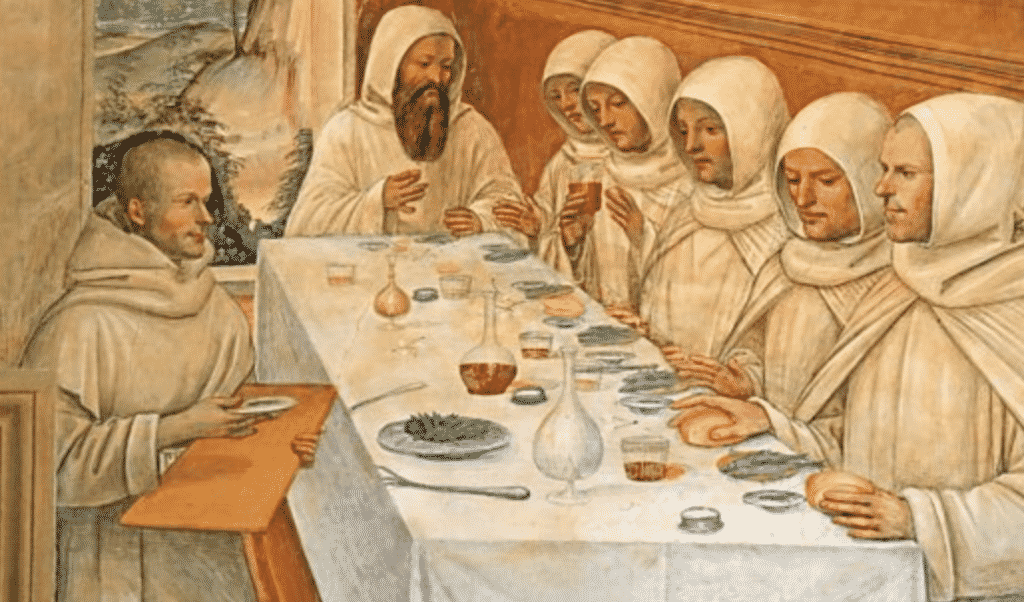
Trustworthy and Faithful

Dancing in the Kingdom – Table of Contents

Part 1 – Shadows of the Kingdom, Chapter 2 – The God who created

[Bible references: Exodus 34:6; Deuteronomy 7:9; Psalm 38:5; 100; Hebrews 10:23]

God has continued to offer us lives of goodness, generosity and shalom despite our continued waywardness. Our opportunity to experience the faithfulness of God comes as we hold to his promises … even when we fail to hold to his promises. Scripture is full of passages of God’s commitment to faithfulness despite the lack of our own[1] and those examples are helpful for us to hold onto as we experience our own trials and difficulties in life.

The faithfulness of God is starkly evident in His relationship with the Hebrew/Jewish people. God made a land covenant with Abraham (patriarch of many nations) and has never withdrawn what He has promised. Though the Jewish people have been scattered around the world, God promised they would return to the land He promised Abraham, Isaac, Jacob, and all their descendants (Zechariah 8:7-8) …

More examples of God’s faithfulness … Noah … Ishmael … Moses … Jacob …

God’s faithful promise was fulfilled in the New Testament when He sent Jesus to atone for our sins. No matter what sins we have committed, no matter how “bad” we are, God is faithful to forgive us if we accept Jesus and repent of our sins. [2]


[1] Got Questions “How Can I Trust in the Faithfulness of God, Got Questions www.gotquestions.org/faithfulness-of-God.html ; ” Christiansen, Connie Ruth. “The Story Behind The Hymn: Great Is They Faithfulness” Independent Baptist http://www.independentbaptist.com/great-is-thy-faithfulness

[2] All About God “Faithfulness of God” allaboutgod.com/faithfulness-of-god.htm

Reflect

Our current society reflects the costs of lack of trust, of broken promises, of a lack of mutual concern for each other. What are those costs?

Observe

Read Zechariah 8. Zechariah’s prophecies were written it the nation of Israel many years after the nation had been taken in exile. How do you think these promises of God would have had on the exiles?

A Brief Account

Dancing in the Kingdom – Table of Contents

Dancing In the Kingdom – Part 1 – Shadows of the Kingdom Chapter 1 – Prelude

A Brief Account

The following is an Extremely Brief Account of the Very Long Story, a summary of the Bible’s story.

There was, and is, and will be, a complex person we call God, who exists as three people that we have come to know as the Father, Son and Holy Spirit. God decided that he wanted to expand the love that was shared between the Father, Son and Holy Spirit. To that end, he created an entire universe so that on one of its planets he could create an abundance of living creatures.

On that planet, he created special creatures, humans, who were made in his image such that they could love him in the way that he loved them. This universe then, would be a form of temple, a place where God can meet with his people. The garden he placed them in was where the dimensions of heaven and earth overlapped. The garden was a place where God’s good and beautiful kingdom of heaven was fully present.

Of course, these humans were not duplicate spiritual beings who were gods themselves, but physical creatures who had enough of God’s characteristics so that they could love in the way God loved. But because love is a voluntary thing that we must choose to do, we cannot love unless we have the option to not love.

God placed his first people in a garden and gave them an assignment. They were to be his representatives, priests if you will, in this garden. They were to take care of it as His representatives, His stewards in the garden. Their long-term task was to multiply and fill the earth so that the whole earth would become the place where God could meet with all his people. The entire earth was intended to be filled with God’s abundant provision for his people who would then take care of what God provided, and all the while giving and receiving and sharing the love which God would freely bestow. In this way, the kingdom of heaven would overlap with the entire kingdom of earth and God would freely mingle with his people.

The option to love or not love was provided by a test of trust. There was in the garden a tree whose fruit not only looked appealing but promised to provide the gift of all knowledge if one ate it. The humans were told to trust God and not eat the fruit of that tree. Eating that fruit would not only provide certain knowledge but would also provide death.

The results of that test are now apparent all around us. Death comes to us not only in the form of physical death, the separation of our souls from physical life, but also in the form of spiritual death, the lack of love which separates us from each other and from God. Fortunately, our current situation is not our destiny – and that is what the rest of the story is about.

God intended that death would not merely be a penalty for not trusting (or loving) but would also be the very mechanism by which he would restore us to himself. From the descendants of the first people, God separated out a family through which he would bring blessing to the entire world. Through that family that a nation would be raised and through that nation the eternal God would choose a family to accomplish the inconceivable. In that chosen family, the eternal God would cause himself to be conceived within the womb of a woman who would then give birth to a being who was both fully God and fully human. He would then be raised as a human and eventually would suffer death by execution as a human and then be resurrected as a human.

In that resurrected human body, the eternal God would return to heaven, but before doing so, he invited us to, in essence, to represent Him on earth by becoming part of his body on earth. By trusting him and accepting his Spirit, we could join with him in His death and resurrection by dying to our own self-interests and uniting with his loving interests.

He then promised to return to us again in bodily form, at which time the kingdoms of heaven and earth will again overlap. Heaven will be rejoined to earth to fulfill the intention God had from the beginning. But meanwhile, in this time between His incarnation and His eventual return, we are still called to be stewards of our currently broken world, bringing slivers of the light and hope of heaven into a world now very dark with evil and suffering and pain.

Reflections

How do you feel in comparison to the immense size of the universe? What does it mean to you, that the universe was designed with you in mind?

Observe

Read Acts 2:22-36; 7:2-50; 10:34-43; 13:16-39; 17:22-31. These passages show the various ways the gospel was presented to various audiences. As you read through the different accounts of the gospel, what stands out to you?