Art and artists

Dancing in the Kingdom- Table of Contents

Dancing In the Kingdom – Part 1 – Shadows of the Kingdom – Chapter 6– A nation emerges

Art and artists

[Bible references: Exodus 20:4-6; 31:2-3; 35:4-9,32-35; 36:1-7]

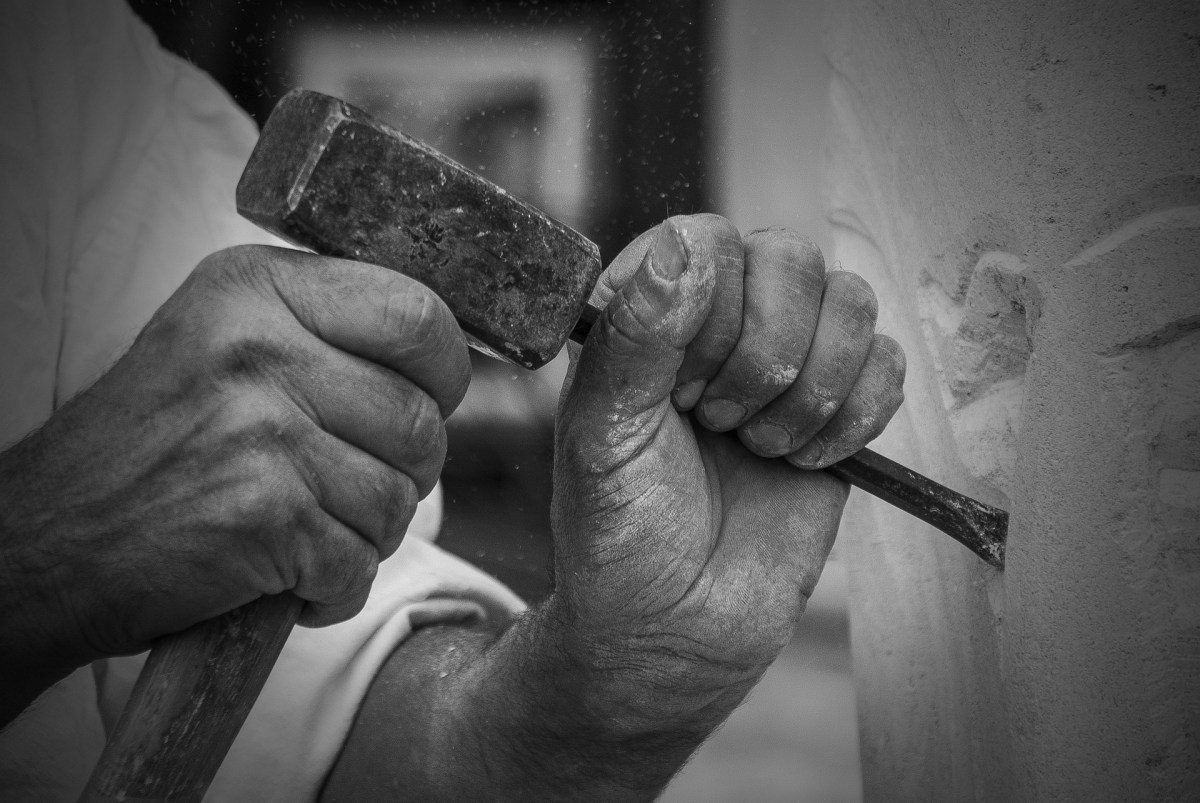
The instructions are quite detailed. The materials used to build the tabernacle were gifts given to the Israelites as they left Egypt. Those materials were then freely shared to be used as materials used to construct the tabernacle. God dedicated the workmen for building the various parts of the tabernacle, filling them with his Spirit and then giving the skills and abilities they needed. God gave everything needed for the construction of the tabernacle. Between the detailed instructions, the materials provided by the Egyptians and the skills of the craftsmen, the tabernacle would be a beautiful work of art. Although the Israelites were told not to make graven images to worship as idols, that obviously did not mean that they couldn’t create works of art, in this case works that would be used to enable worship.

Observe

Read Exodus 20:4-6; 31:2-3; 35:4-9,32-35; 36:1-7. What kinds of arts and crafts went into the construction of the tabernacle?

Paradoxes and Mysteries

Dancing in the Kingdom- Table of Contents

Dancing In the Kingdom – Part 1 – Shadows of the Kingdom – Chapter 2 – The God who created

Paradoxes and Mysteries

[Bible references: Genesis 1-2; Job 9; Psalm 8; 19; 103, 104; 139; Proverbs 8; Job 38-39; Isaiah 55:9]

When we look at a work of art, what can we tell about the artist? What can we find from the skill in using materials, the subject matter, the emotional content, the values? We may be able to figure out a few things, but all-in-all we can discern very little. To learn much more we need the artist to reveal not just more about the artwork but also about him or herself.

“People always want to know what inspires you to make art … think beyond the artist statement. Artists are living beings with thoughts, feelings, and ideas … explain who you really are” [1]

 “Besides making art, storytelling skills are the most valuable in achieving a gratifying journey as an artist. Your storytelling skills enhance your ability to achieve your goals. Art and stories, both written and told, are powerful tools to touch people. When art and stories are woven to work together, they create a compelling experience for artists and their followers.”[2]

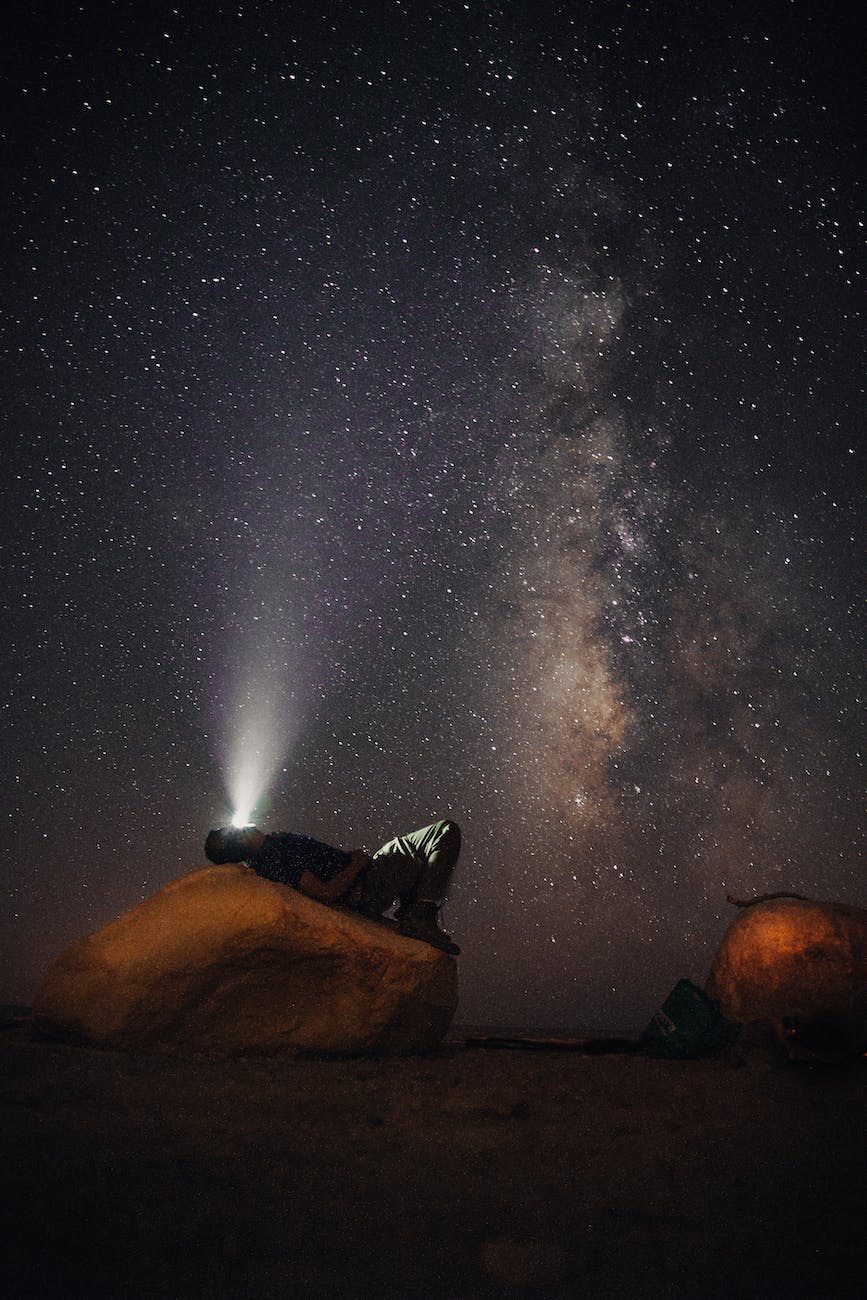
So, as we begin to explore what we can know about the Creator, we also begin by looking at his artwork (that is, the creation)[3] but then we need to hear what the Creator has revealed about himself to us (that is, through the Holy Bible).[4]

So, let us begin by looking at the living things God created. Sometimes, we think we can look around us and figure out what is living and what is not; but when look at the spectrum of living things, especially through the eyes of the scientists who specialize in it, it becomes more difficult to try to come up with a definition for life. In fact, one organization catalogued over one hundred definitions[5] … and none of those definitions satisfy everybody. What does that say about the one who created those living things?

If we get so confused about what was created, it is likely that we will get confused about the Creator. When Job challenged God, Yahweh responded, “Where were you when I laid the foundations of the earth?” In Isaiah, God explicitly says, “My ways are higher than your ways.” There simply are things about God that are beyond our comprehension, mysteries, which should give us a spirit of humility.

Because much about God is mysterious and beyond understanding, we naturally find that the Creator is full of paradoxes: characteristics that seem to oppose each other. When we do encounter apparently conflicting statements about God, we must hold those qualities in tension with each other. Sometimes we might not totally understand how these characteristics can all be true together, but that is what we should expect. If we cannot fully comprehend the creation, why should we think that we can fully comprehend the Creator. We should also consider that if we ever think that we totally understand the Creator of the universe then we probably are not understanding things correctly – we are probably creating a god in our own image rather than the other way around.

This inability to totally understand God leaves us often making speculations as we try to find a way to reason things about God. We then have to be careful, if we make dogma out of our speculations, we will likely create all sorts of arguments with each other. We will see in future chapters that various theologians and congregations have sometimes split up over some of those very issues which no one can fully understand.


[1] Sayej, Nadjz. “How Artists Use Video Storytelling to Connect with Their Audience” Artrepeneur, 21 Feb 2018, abj.artrepreneur.com/video-storytelling

[2] Davey, Barney. “Personal Storytelling for Artists & Creatives” Marketing Courses, mymarketingcourses.com/p/personal-storytelling

[3] Ross, Hugh. “The Major Biblical Creation Texts/Creation Accounts” Reasons to Believe 1 Aug 2008 reasons.org/explore/publications/articles/the-major-biblical-creation-texts-creation-accounts

[4] Rusbult, Craig. “How should we interpret the Two Books of God, in Scripture & Nature” American Scientific Affiliation www.asa3.org/ASA/education/origins/two-books.htm

[5] Chamary, JV. “A Biologist Explains: What is Life”, Forbes 27 Mar 2019; Zimmer, Carl. “What is Life? Its Vast Diversity Defies Easy Definition” Quantamagazine, www.quantamagazine.org/what-is-life-its-vast-diversity-defies-easy-definition-20210309/

Reflect

Observe

What speaks to you, or confuses you about God’s character when you look at Creation?

Read Psalms 8; 139. The One who created the outermost part of the universe also knows the innermost part our lives. What difference should that make in our lives?

Paradoxes and Mysteries

Dancing in the Kingdom – Table of Contents

Part 1 – Shadows of the Kingdom, Chapter 2 – The God who created

[Bible references: Genesis 1-2; Job 9; Psalm 8; 19; 104; 139; Proverbs 8; Job 38-39; Isaiah 55:9]

When we look at a work of art, what can we tell about the artist? What can we find from the skill in using materials, the subject matter, the emotional content, the values? We may be able to figure out a few things, but all-in-all we can discern very little. To learn much more we need the artist to reveal not just more about the artwork but also about him or herself.

People always want to know what inspires you to make art … think beyond the artist statement. Artists are living beings with thoughts, feelings, and ideas … explain who you really are” [1]

 “Besides making art, storytelling skills are the most valuable in achieving a gratifying journey as an artist. Your storytelling skills enhance your ability to achieve your goals. Art and stories, both written and told, are powerful tools to touch people. When art and stories are woven to work together, they create a compelling experience for artists and their followers”.[2]

So, as we begin to explore what we can know about the Creator, we also begin by looking at his artwork (that is, the creation)[3] but then we need to hear what the Creator has revealed about himself to us (that is, through the Holy Bible).[4]

So, let us begin by looking at the living things God created. Sometimes, we think we can look around us and figure out what is living and what is not; but when look at the spectrum of living things, especially through the eyes of the scientists who specialize in it, it becomes more difficult to try to come up with a definition for life. In fact, one organization catalogued over 100 definitions[5] … and none of those definitions satisfy everybody. What does that say about the one who created those living things?

If we get so confused about what was created, it is likely that we will get confused about the Creator. When Job challenged God, Yahweh responded, “Where were you when I laid the foundations of the earth?” In Isaiah, God explicitly says, “My ways are higher than your ways.” There simply are things about God that are beyond our comprehension, mysteries, which should give us a spirit of humility.

Because much about God is mysterious and beyond understanding, we naturally find that the Creator is full of paradoxes: with characteristics that seem to oppose each other. When we do encounter apparently conflicting statements about God, we must hold those qualities in tension with each other. Sometimes we might not totally understand how these characteristics can all be true together, but that is what we should expect. If we cannot fully comprehend the creation, why should we think that we can fully comprehend the Creator. We should also consider that if we ever think that we totally understand the Creator of the universe then we probably are not understanding things correctly – we are probably creating a god in our own image rather than the other way around.

This inability to totally understand God forces us to make speculations as we try to find a way to reason things about God. We do have to be careful though, for we will create all sorts of arguments with each other if we insist on certain speculations as the defined truth of God. It might be that if we study those revelations of God that we can draw some conclusions, but we need to be careful about making dogma out of something that we don’t fully understand. Unfortunately, we will see in future chapters that various theologians and congregations have sometimes split up over some of those very issues which no one can fully understand.


[1] Sayej, Nadjz. “How Artists Use Video Storytelling to Connect with Their Audience” artrepreneur, 21 Feb 2018, abj.artrepreneur.com/video-storytelling

[2] Davey, Barney. “Personal Storytelling for Artists & Creatives” Marketing Courses, mymarketingcourses.com/p/personal-storytelling

[3] Ross, Hugh. “The Major Biblical Creation Texts/Creation Accounts” Reasons to Believe 1 Aug 2008 reasons.org/explore/publications/articles/the-major-biblical-creation-texts-creation-accounts

[4] Rusbult, Craig. “How should we interpret the Two Books of God, in Scripture & Nature” American Scientific Affiliation http://www.asa3.org/ASA/education/origins/two-books.htm

[5] Chamary, JV. “A Biologist Explains: What is Life?”; Zimmer, Carl. “What is Life? It’s Vast Diversity Defies Easy Definition” Forbes 27 Mar 2019 http://www.forbes.com/sites/jvchamary/2019/03/27/what-is-life/?sh=22008ddb1c77

Reflect

What speaks to you, or confuses you about God’s character when you look at Creation?

Observe

Read Psalms 103 and 104 as a pair. How does the attitude expressed at the beginning and end of these Psalms challenge us to look beyond our current situation and beyond the things that we do not understand when we see God’s handiwork?