Re-envisioning our inhabited environment

Dancing in the Kingdom- Table of Contents

Dancing In the Kingdom – Part 3 – Dancing in the Kingdom– Chapter 18 – Entering the Dance

Re-envisioning our inhabited environment

[Bible references: Exodus 25:1-9; 31:1-11; 35:30-36:7; Isaiah 65:17-25; Revelation 21:24-26]

Within our given environment, we create communities, culture, and institutions to support all that. Our homes, neighborhoods, towns, and cities reflect our potential to create either beauty or corruption. The power we have as bearers of God’s image which provides our God-given ability to transcend our environment, is the source of great good or great sin.

“And decades of persuasive experiments have shown that built environments can be a factor in shaping us in ways that have significant long-term implications, in educational or workplace performance, or our physical and mental health and wellness. The point is that architecture, an integral part of essentially all cultures, is one of many interacting cultural factors—like entertainment and marketing, politics, belief systems, or charismatic individuals, for example—that together, in large and small ways, are involved in shaping behavior and who we are over a lifetime.” [1]

“On the night of May 10, 1941, with one of the last bombs of the last serious raid, our House of Commons was destroyed by the violence of the enemy, and we have now to consider whether we should build it up again, and how, and when. We shape our buildings, and afterwards our buildings shape us.”[2]

We possess the abilities to create works of art, some of which are designed simply to be enjoyed or give us cause to think and some of which have practical uses such as buildings we live, work, or play in, the outdoor areas between those buildings that can serve to connect us together, the vehicles which transport us. These practical works of art also require feats of all sorts of engineering, technical and organizational skills.

It is also clear that those same abilities are regularly misused, and our constructions look less like works of art and more like works of neglect and corruption. Instead of works which build us up and add to the flourishing of all, our works sometimes are simply not as helpful as they can be and sometimes even outrightly abuse our environment as well as our fellow humans.[3] Poor building design sped up Covid spread.[4]

 A Christian architect, Dave Greusel, suggests that we should construct our buildings with the attitude that they serve as “gifts to the community,” purposely constructed to advance God’s Kingdom, expressing grace, beauty, justice, creativity.[5] There are many different ways in which we enhance the quality of life not only within the buildings we create, but also the environment around those buildings, designing our spaces with consideration for how we live not only in, but around our buildings.

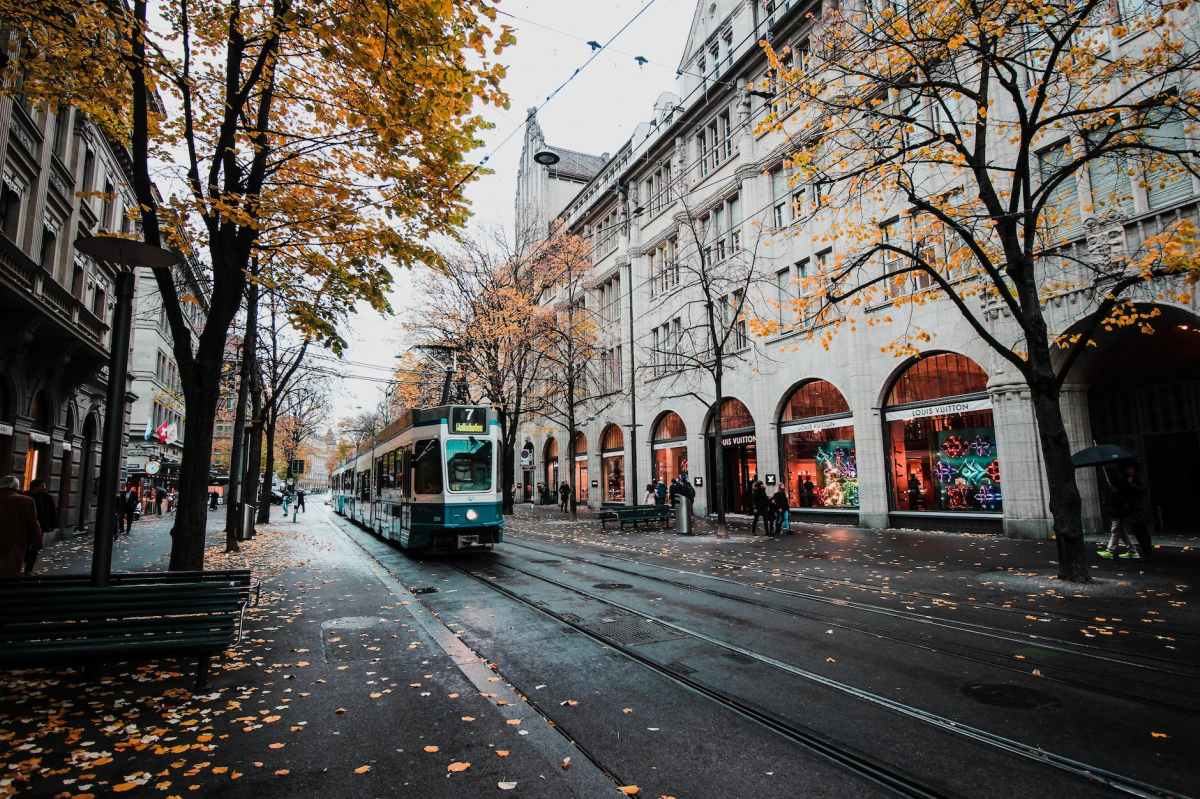
In the U.S., planning our cityscape around automobiles has seemed natural because of the way that our automotive technology has allowed us to flexibly expand in the large space afforded by our country. Sadly, that type of planning has caused us to sometimes neglect the way that life is normally lived with the communities of the city. Sometimes, it has been after the fact that cities have paid attention to how to better design the city spaces for people to navigate on foot or bicycle and to live in community.

Enacted space is “activated by the people using it.” that is, it is not enough to design particular spaces, but to make them attractive so that people use them. [6]

Additional features that can be considered for our spaces are how we situate housing for people and where they work, how we create enclosed spaces that give a sense of protection and safety, monuments that provide particular spaces with meaning and the thresholds (doorways or openings) between the building interiors and the spaces outside.[7]

“Connectivity is measured by the number of intersections per square mile. One hundred fifty connections per square-mile is considered to be the minimum for a vibrant community.” [8]


[1] Hart, Robert Lamb. “How Buildings Shape Us” Common Edge commonedge.org/how-buildings-shape-us

[2]Churchill, Winston. Made in a speech in the House of Commons on October 28,1943 about replacing the bombed-out House of Commons chamber. Quote given Automated Buildings automatedbuildings.com/news/aug20/articles/lynxspring/200721102909lynxspring.html

[3] Rethinking the Future. “Some Examples of Bad Architecture Ideas” Rethinking the Future www.re-thinkingthefuture.com/article/some-examples-of-bad-architecture-ideas; Staczek, David. “Is Bad Architecture Harmful to Our Health” Architizer architizer.com/blog/inspiration/stories/bad-architecture-harmful-to-health; Husock, Howard. “How Public Housing Harms Cities” City Journal Winter 2003 www.city-journal.org/html/how-public-housing-harms-cities-12410.html

[4] Ing, Will. Architects’ Journal 3 Oct 2021; www.architectsjournal.co.uk/news/poor-building-design-sped-up-covid-spread-says-academic 2021

[5] Greusel, Dave. “Architecture for Human Flourishing” Denver Institute for Faith and Work 15 Apr 2015 denverinstitute.org/david-greusel-architecture-for-human-flourishing-videos

[6] Jacobsen, Eric O. The Space Between  A Christian Engagement with the Built Environment” Baker Academic, 2012 (p. 17).

[7] Jacobsen, Eric O. The Space Between  A Christian Engagement with the Built Environment” Baker Academic, 2012 (Chapter 2)

[8] Jacobsen, Eric O. The Space Between  A Christian Engagement with the Built Environment” Baker Academic, 2012 (p. 43)

Reflect

As you consider the town or city you live in, what might be done better to make the places we live and work to be a gift to the entire community?

Observe

Read Isaiah 65:17-25. How can we build things that point to our future hope?
vocational stewardship

Dancing in the Kingdom- Table of Contents

Dancing In the Kingdom – Part 3 – Dancing in the Kingdom– Chapter 18 – Entering the Dance

Vocational stewardship

[Bible references: Ephesians 6:5-9; Colossians 3:1-17]

In-between those basic strategies, the question we all need to discover is, within the context we find ourselves in, what are the practical ways for us to use the gifts and talents God has equipped us with. For some of us, we can find ways to use our gifts and talents directly within the church. But all work, whether done in the church or outside can be done as unto the Lord. For others, Amy Sherman has identified four different strategies outside the church itself for us to consider.[1]

  • Promote the kingdom in and through your daily work
  • Volunteer your skills to an agency outside your employer.
  • Launch your own social enterprise
  • Participate in your church’s targeted initiative.

Whatever strategy we use, the goal is to bring hope to the world around us by bringing in Kingdom values of justice, righteousness, and peace.[2]

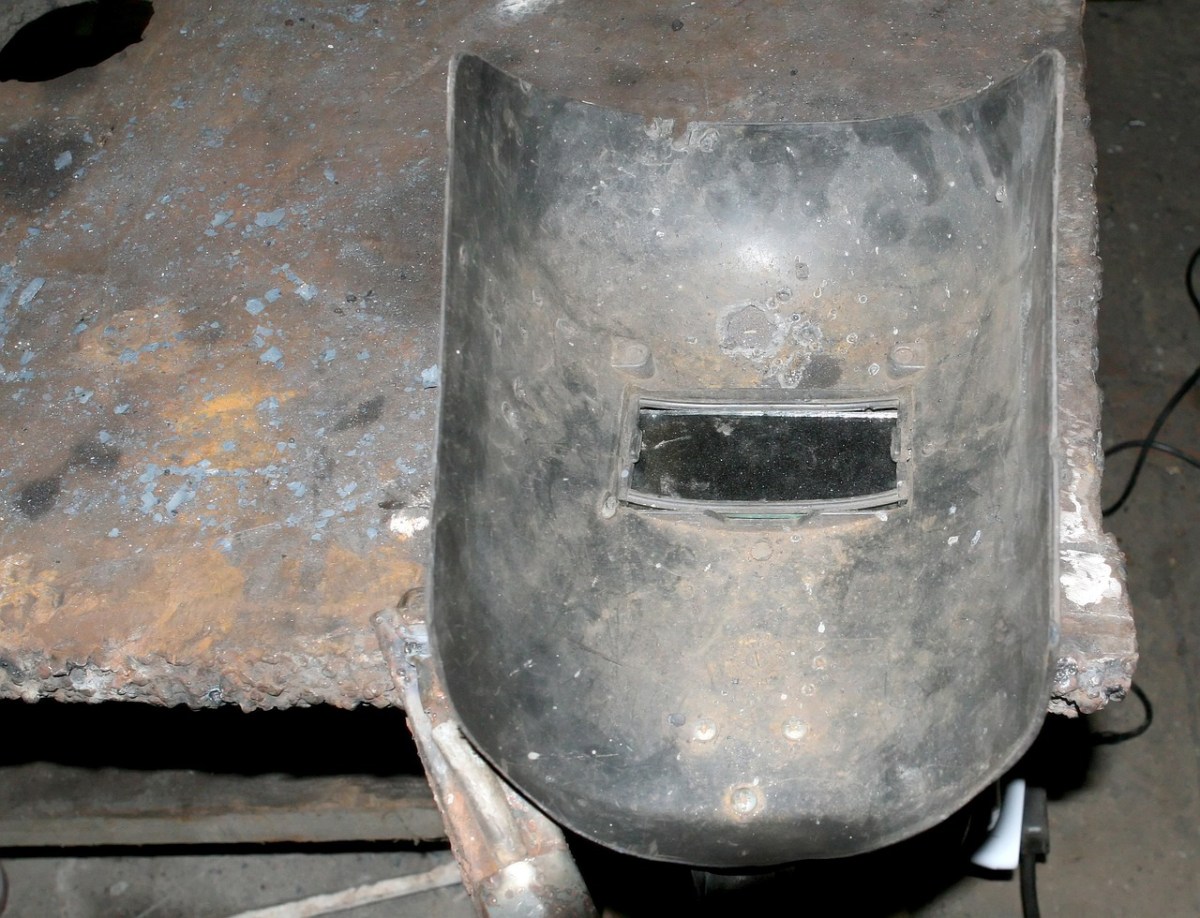
We do have to consider the reality that many of us have jobs that consign workers to demeaning labor: either doing tasks that treat workers as if they were biological robots on an assembly line doing repetitive tasks, or just doing unskilled tasks that require no creativity and that fail to regard the humanity of those workers.[3] Then sometimes, we simply find ourselves in a job which could easily be more meaningful if we were appreciated. What should we do then? Dorothy Sayers’ position is that we should have the same attitude as given to us in Genesis 2, we should serve the work. We can hope that the work was designed to serve the community, so that in serving the work we serve the community.

“The only true way of serving the community is to be truly in sympathy with the community, to be oneself part of the community and then to serve the work without giving the community another thought. Then the work will endure, because it will be true to itself. It is the work that serves the community; the business of the worker is to serve the work.”[4]


[1] Sherman, Amy. Kingdom Calling: Vocational Stewardship for the Common Good. Intervarsity Press, 2011 eBook Chapters 9-13

[2] Sherman, Amy. Kingdom Calling: Vocational Stewardship for the Common Good. Intervarsity Press, 2011 eBook Chapter 1

[3] Smith, James K.A. “The Beauty of Work, the Injustice of Toil” Comment comment.org/the-beauty-of-work-the-injustice-of-toil/

[4] Sayers, Dorothy. “Why Work” in Letters to a Diminished Church: Passionate Arguments for the Relevance of Christian Doctrine Villanova University www1.villanova.edu/content/dam/villanova/mission/faith/Why%20Work%20by%20Dorothy%20Sayers.pdf

Reflect

How might you use your vocational stewardship?

Observe

Read Ephesians 6:5-9. How do we serve “as unto the Lord” at whatever our vocation is?

Art and artists

Dancing in the Kingdom- Table of Contents

Dancing In the Kingdom – Part 1 – Shadows of the Kingdom – Chapter 6– A nation emerges

Art and artists

[Bible references: Exodus 20:4-6; 31:2-3; 35:4-9,32-35; 36:1-7]

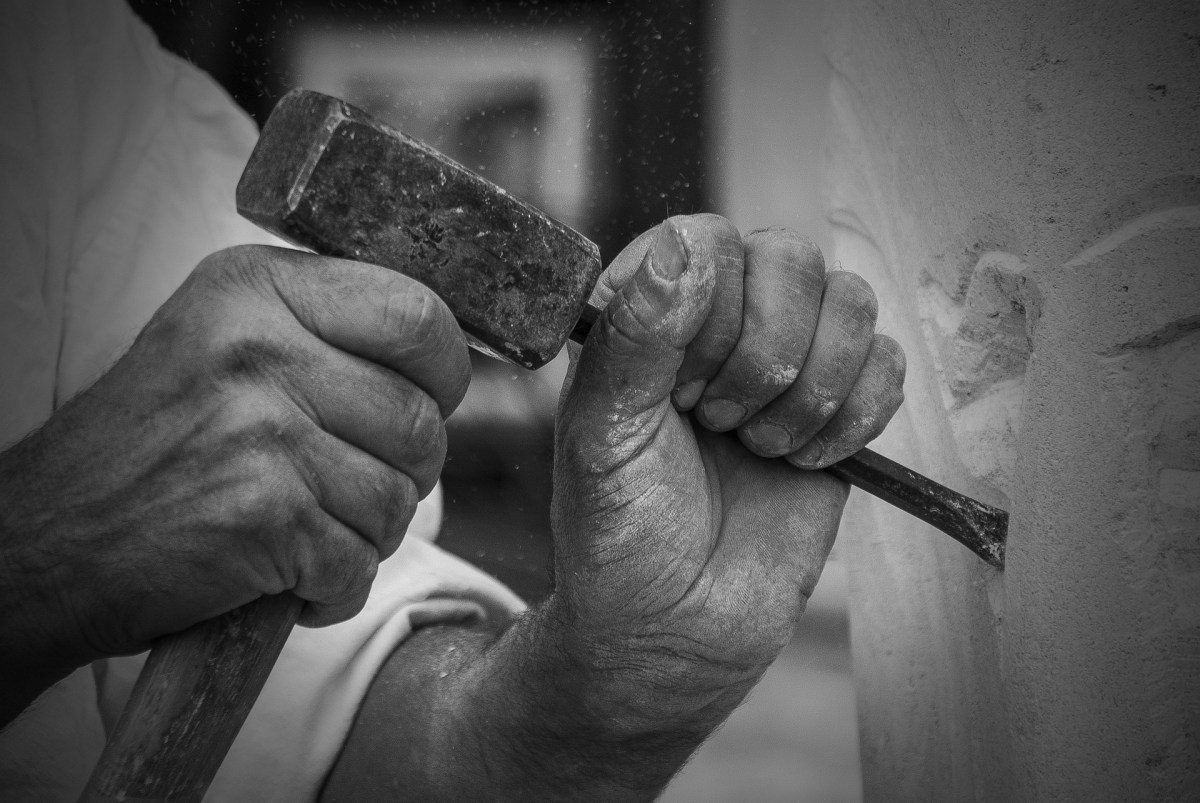
The instructions are quite detailed. The materials used to build the tabernacle were gifts given to the Israelites as they left Egypt. Those materials were then freely shared to be used as materials used to construct the tabernacle. God dedicated the workmen for building the various parts of the tabernacle, filling them with his Spirit and then giving the skills and abilities they needed. God gave everything needed for the construction of the tabernacle. Between the detailed instructions, the materials provided by the Egyptians and the skills of the craftsmen, the tabernacle would be a beautiful work of art. Although the Israelites were told not to make graven images to worship as idols, that obviously did not mean that they couldn’t create works of art, in this case works that would be used to enable worship.

Observe

Read Exodus 20:4-6; 31:2-3; 35:4-9,32-35; 36:1-7. What kinds of arts and crafts went into the construction of the tabernacle?

Tower of Babel

Dancing in the Kingdom- Table of Contents

Dancing In the Kingdom – Part 1 – Shadows of the Kingdom – Chapter 4– Retreating to chaos

Tower of Babel

[Bible references: Genesis 11:1-8; Genesis 12:1-3]

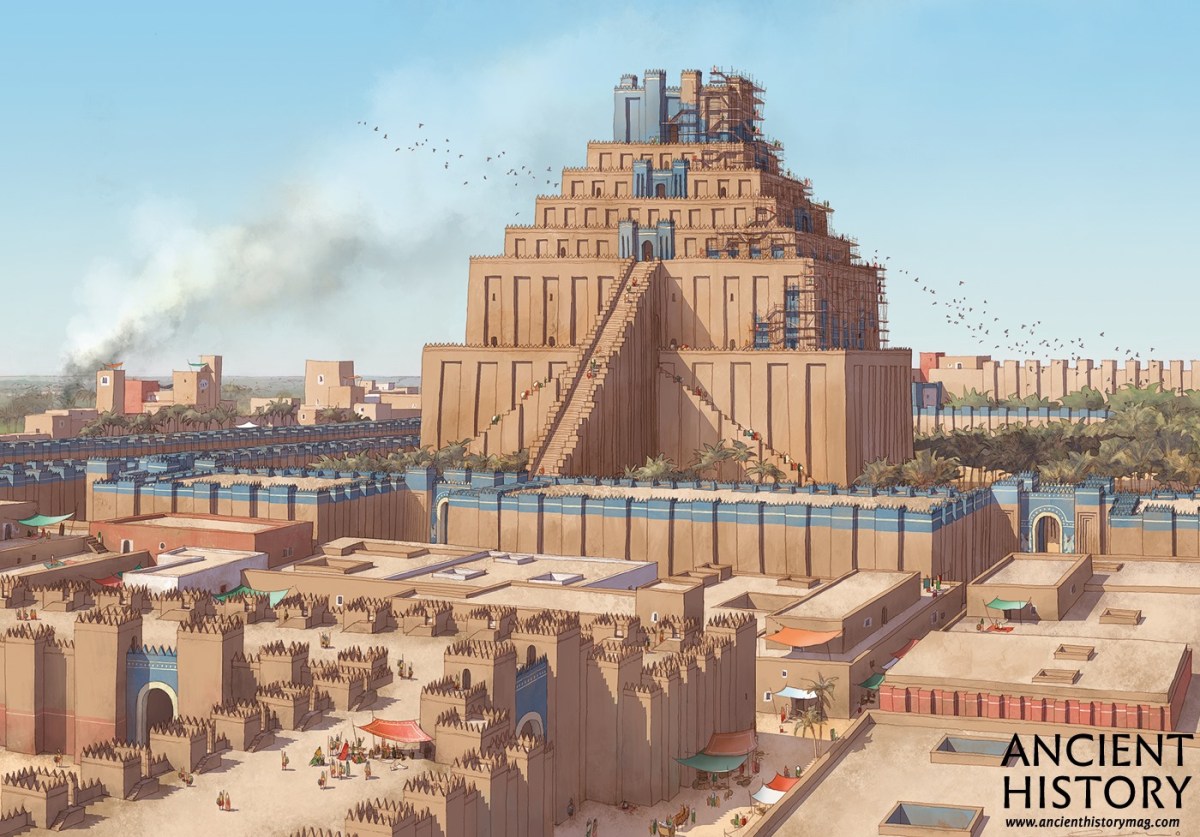
Despite the catastrophic destruction that destroyed all people except Noah and his family, the image-bearers’ defiance would emerge again. Instead of glorifying God, they attempted to “make a name” for themselves and not the God who provided their language and all the other skills with which they would try to build a tower, which would be a monument to their own God-given abilities.

God’s response was very measured. By causing them to speak different languages so that they could no longer communicate with each other, the image-bearers would no longer be able to come together to complete the tower, rather they were now forced to divide into seventy different groups and spread out across the earth, creating different nations.

From one of those nations, God would choose a man who was not out to make a name for himself, someone who did not put his faith in himself but would be willing to put his trust in God. It would be through this one man and his wife that God would form a nation for himself, a nation through which the whole world would be blessed, a nation through whom one called the Messiah would come, the anointed one through whom God would begin His work of restoration.

Reflect

Even within a family, different experiences cause people to think differently causing conflict. They all use the same words but have different thoughts about what is right. Larger problems occur when people grow up in entirely different environments. When people use different languages, those different languages amplify the differences in how people think. In your own situation, what different cultures do you interact with and how do you process conflicts with people in those cultures?

Observe

Read Genesis 11:1-8. What was the wrong motive for building the tower?