Preparing to engage with those outside the Church

Dancing in the Kingdom- Table of Contents

Dancing In the Kingdom – Part 3 – Dancing in the Kingdom– Chapter 17 – Finding our place

Preparing to engage with those outside the church

[Bible references: Matthew 9:35-38; 13:1-30; 22:34-40; John 3:16]

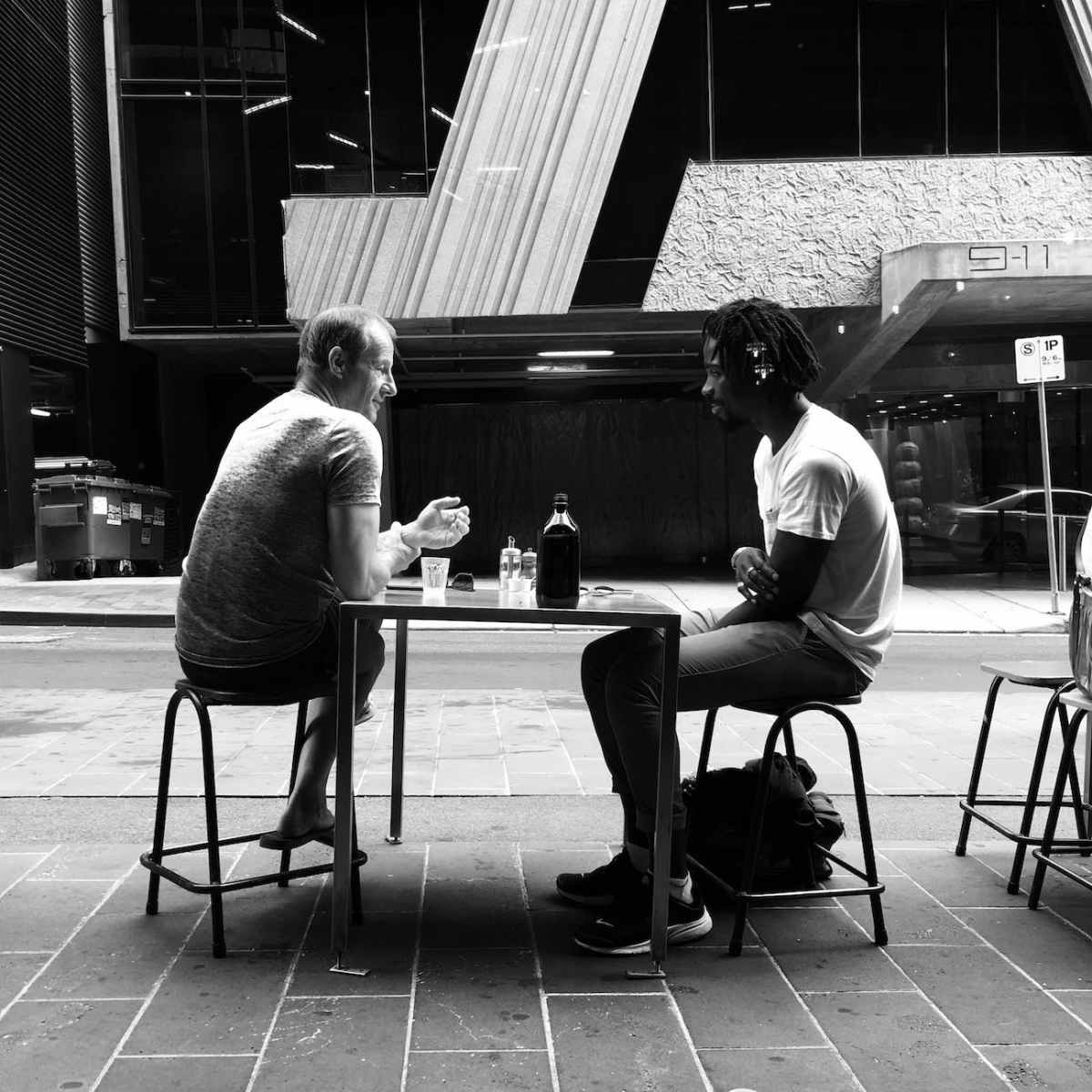
When talking with someone for the first time, we never know what experiences the person has gone through in which the Spirit of God was already at work. If we take the time to listen, then we can share the Gospel more effectively. Some will be immediately ready to receive the Gospel, and some will need more caring for. In either case, if we remember that our primary directive is to love God and love our neighbor, we must be ready to bear the cost of that love.

“For God so loved the world that he gave his only Son … (John 3:16, ESV)”

What costs are we prepared to bear for our neighbor? Are we prepared to bear the cost of loving those within the church so that we can provide a loving, united atmosphere to invite someone from the outside? Are we prepared to bear the cost of friendship with those outside the church so that they can witness what is means for us to have Jesus as our friend? Are we prepared to listen to the concerns of our neighbor so that we can model how God listens to us?

Reflect

What cost are you prepared to pay for the sake of loving your neighbor?

Observe

Read Matthew 13:1-30. How can we be “sowing seed” in all the different “fields” of our community?

Discipline of Prayer

Dancing in the Kingdom- Table of Contents

Dancing In the Kingdom – Part 3 – Dancing in the Kingdom– Chapter 15 – Reforming our Souls

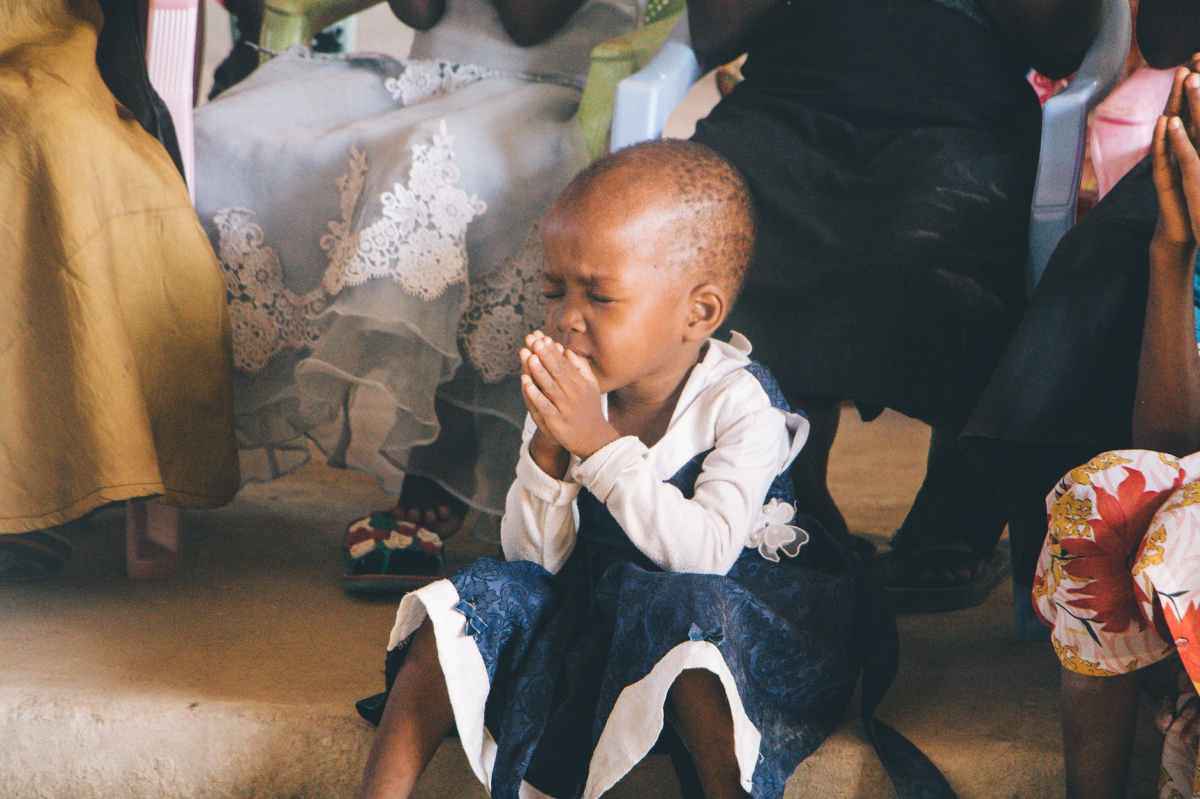
Discipline of Prayer

[Bible references: Matthew 6:6-7; Luke 11:11-13; Romans 8:26; Colossians 1:9-14; Philippians 4:6; 1 Thessalonians 5:17]

To have God speak to the heart is a majestic experience, an experience that people may miss if they monopolize the conversation and never pause to hear God’s responses.[1]

“We tend to use prayer as a last resort, but God wants it to be our first line of defense. We pray when there’s nothing else we can do, but God wants us to pray before we do anything at all. Most of us would prefer, however, to spend our time doing something that will get immediate results. We don’t want to wait for God to resolve matters in His good time because His idea of ‘good time’ is seldom in sync with ours.”[2]

“I think the reason we sometimes have the false sense that God is so far away is because that is where we have put him. We have kept him at a distance, and then when we are in need and call on him in prayer, we wonder where he is. He is exactly where we left him.”[3]  

 “Authentic worship will impel us to join in the Lamb’s war against demonic powers everywhere—on the personal level, on the social level, on the institutional level. Jesus, the Lamb of God, is our Commander-in-Chief. We receive his orders for service and go …”[4]

Fortunately, we have a heavenly Father who cares for us – a Father, not just a distant God, but a Father who created us so that we could share His love, a Father who desires a friendship with us, a Father who desires a partner to rule Creation with Him. The grief, sometimes overwhelming, is that we allowed sin to break our relationship with Him and break our relationship with each other and with Creation itself. The result is that we don’t talk like we should, we let shame and embarrassment get in the way of what could be a wonderful and intimate relationship.

The goal of prayer is to rebuild that relationship, to share concerns, to listen, to express our appreciation of each other, to share our feelings. We have the benefit of having a Father who already knows us better than we know ourselves, who knows our thoughts and our needs – but He still wants us to talk, to give us a chance to be honest with him (and ourselves), to confess what we need to confess, to deal with any confusions that we have. He wants us to participate with Him in bringing His kingdom into our lives and into the world, to share His love for the world and to seek justice for the oppressed, to even to bring His shalom into the world.

We have needs and the world has so many needs, that it seems that our list of petitions is overwhelming to the point where it makes us give up. But our prayer is more than a list of petitions because the God of love rules over all creation and that love brings us to express adoration and thanksgiving. And when our brokenness gets in the way of our relationship, we can bring our confessions of sin so that we may receive His overwhelming forgiveness.

Having a prayer life with a loving God should just happen, but it doesn’t and that brings us to the discipline of prayer – to help our prayer life, our talks with God, to happen despite our brokenness.

There are times when we are desperate, when we feel that we have no options … so, we pray. These are the times that St. John of the Cross said are the “dark nights of the soul.” As people of faith, we know that those “dark nights” don’t last forever. Just as surely as we experience the darkness, there is the resurrection light. These dark nights of the soul – these times of spiritual crisis – lead us closer to God. As we pray, are persistent in prayer, and are willing to be moved by the Holy Spirit through prayer? We will see that prayer changes us and help us grow to become more able to see others as God sees them.


[1] Stanley, Charles.

[2] Chambers, Oswald.

[3] Zacharias, Ravi. Has Christianity Failed You? Zondervan 2017

[4] Foster, Richard J. “Celebration of Discipline” Harper & Row Publishers ©1978 p. 173.

Observe

Read Colossians 1:9-14. For whom could you be praying this prayer?

The Spirit and the servant-leaders

Dancing in the Kingdom- Table of Contents

Dancing In the Kingdom – Part 2 – The Kingdom Revealed – Chapter 12 – Launching the church

The Spirit and the Servant-Leaders

[Bible references: Matthew 23:8-11; Acts 1:12-26; 2:42-47; 4:32-37; 6:1-6; 8:14-17; 9:26-31; 11:1-18; 13:1-3; 15;1-29, 36-41; Galatians 2:1-14]

God had created the church as a community: a community to share life and resources, to support one another, to share the gospel and send out missionaries, and to pray together and make decisions together. It was as a community, a council of apostles, that they:

  • Chose Mattias to replace Judas Iscariot
  • Chose seven men to oversee the daily distribution of resources among the church
  • Accepted Saul into their ranks as an apostle.
  • Decided that the gospel was to be shared among the Samaritans and the Gentiles
  • Decided that Gentiles did not have to become circumcised to become believers.

It is normal that within the community decision-making, disagreements were a part of the discussion and those disagreements needed to be worked out. For example, there was at least one occasion where Paul had to correct Peter’s concession to the circumcision group within the community who were denying grace of the gospel. In the end though, the apostles’ decision-making included God, so their decisions always included prayer.

Outside the venue of the council, there were other disagreements as well, including one where Paul and Barnabas disagreed about whether to take Mark along on a mission trip. That result ended up with Barnabas and Paul splitting up and with Barnabas taking Mark with him.

Observe

Read Matthew 23:8-11; Acts 1:12-26; 2:42-47; 6:1-6; 13:1-3. What do these passages say about church leadership?

The plan to restore creation

Dancing in the Kingdom- Table of Contents

Dancing In the Kingdom – Part 1 – Shadows of the Kingdom – Chapter 4– Retreating to chaos

[Bible references: Genesis 3:13-15; 50:20; Isaiah 53; Micah 6:8; Zechariah 7:9; Matthew 10:28-31; Luke 19:11-27; 1 Corinthians 12; Galatians 3:13-14,23-29; Ephesians 1:11-12; Hebrews 1:1-3]

The apparent penalty for sin, physical death, was actually a blessing. Unlike the angels who rebelled against God, death provided the rebellious image-bearers a means of avoiding an eternity separated from the source of goodness and grace. But for the image-bearers, death provided a means where not only they but all of creation could be rescued from decay and death.

The plan of restoration slowly unfolded in ways that would sometimes be baffling and confusing and on a timetable that is beyond our comprehension. Over time though, God gradually revealed how he intended to restore our relation to him, to end our pain and suffering, and to overcome the evil that seems to pervade everything.

God started the process of revealing hints of how he would restore creation right at the beginning. God gave the initial clue in the curse given to the serpent, although the hint must have been a cryptic comment to His newly broken image-bearers. But since we have the privilege of looking back, we can see that God’s then cryptic reference was to the death and suffering of the character revealed in the Old Testament as the Messiah. As time went on, the Creator gradually revealed more and more clues about the plans He had to restore His creation. This gradual revelation was, and still is, a painfully slow time of waiting as we suffer the consequences of broken relations and a broken creation.

Fortunately, as we have waited in our broken universe, God’s grace has continued to intervene throughout history so that things are not as bad as they could possibly be. Our rebellion has not deterred God from providing for our everyday needs nor has he ceased to work on his plan to rejoin heaven and earth.

Meanwhile, God invites us to take part with him in the continued creation of the universe, bringing healing, health and hope directly into the midst of our now broken world, a task that he and we will continue until God fully restores his kingdom. Towards that end, he has provided spiritual gifts, gifts that we can share with one another, to build up one another and to bless the world as his ambassadors.

There are many things about the plans of God that we do not understand. God’s plans for us seem to be drawn out over a long time in which there is much suffering and pain. But even the suffering and pain we endure can be redeemed to help us become more like the Desire of our Hearts, the One who gave all Himself so that we all may become more like Him.

Reflect

What would the world look like if there was no goodness?

Observe

Read Isaiah 53. What did God need to do to restore our relation with Him?