
Dancing in the Kingdom- Table of Contents
Dancing In the Kingdom – Part 3 – Dancing in the Kingdom– Chapter 15 – Reforming our Souls
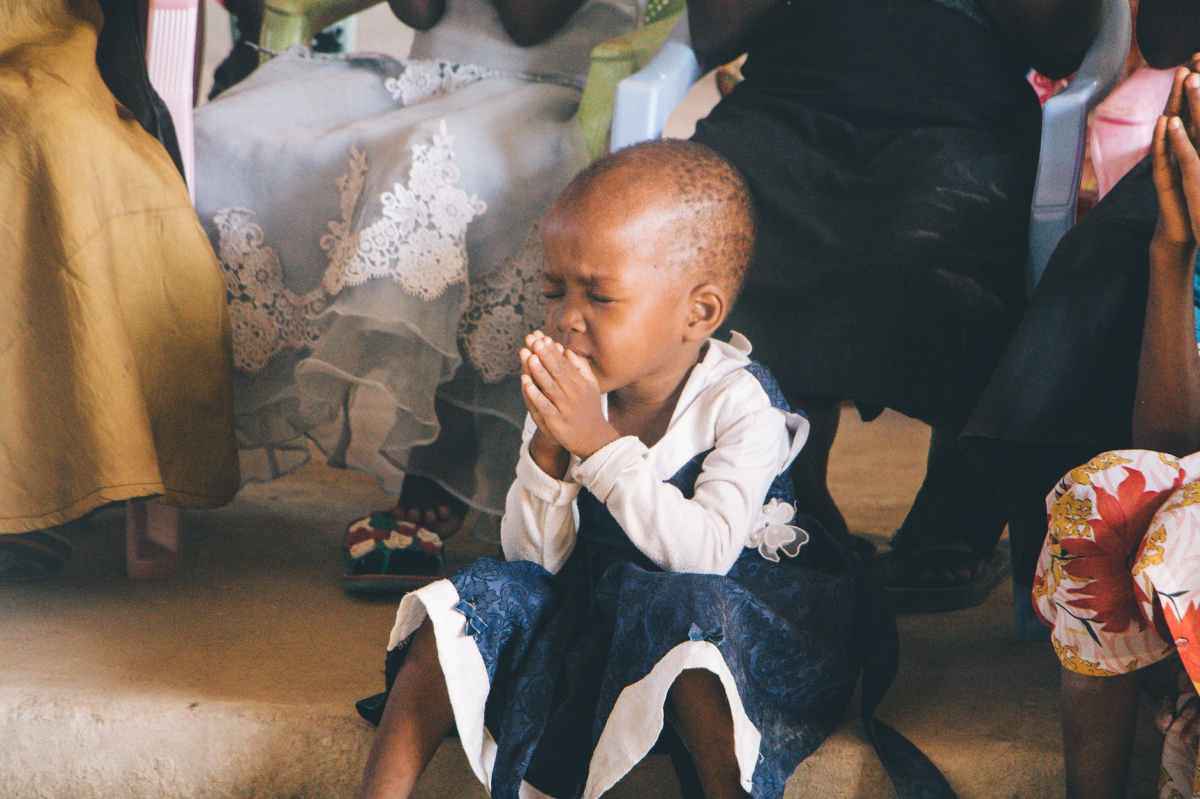
Discipline of Prayer
[Bible references: Matthew 6:6-7; Luke 11:11-13; Romans 8:26; Colossians 1:9-14; Philippians 4:6; 1 Thessalonians 5:17]
To have God speak to the heart is a majestic experience, an experience that people may miss if they monopolize the conversation and never pause to hear God’s responses.[1]
“We tend to use prayer as a last resort, but God wants it to be our first line of defense. We pray when there’s nothing else we can do, but God wants us to pray before we do anything at all. Most of us would prefer, however, to spend our time doing something that will get immediate results. We don’t want to wait for God to resolve matters in His good time because His idea of ‘good time’ is seldom in sync with ours.”[2]
“I think the reason we sometimes have the false sense that God is so far away is because that is where we have put him. We have kept him at a distance, and then when we are in need and call on him in prayer, we wonder where he is. He is exactly where we left him.”[3]
“Authentic worship will impel us to join in the Lamb’s war against demonic powers everywhere—on the personal level, on the social level, on the institutional level. Jesus, the Lamb of God, is our Commander-in-Chief. We receive his orders for service and go …”[4]
Fortunately, we have a heavenly Father who cares for us – a Father, not just a distant God, but a Father who created us so that we could share His love, a Father who desires a friendship with us, a Father who desires a partner to rule Creation with Him. The grief, sometimes overwhelming, is that we allowed sin to break our relationship with Him and break our relationship with each other and with Creation itself. The result is that we don’t talk like we should, we let shame and embarrassment get in the way of what could be a wonderful and intimate relationship.
The goal of prayer is to rebuild that relationship, to share concerns, to listen, to express our appreciation of each other, to share our feelings. We have the benefit of having a Father who already knows us better than we know ourselves, who knows our thoughts and our needs – but He still wants us to talk, to give us a chance to be honest with him (and ourselves), to confess what we need to confess, to deal with any confusions that we have. He wants us to participate with Him in bringing His kingdom into our lives and into the world, to share His love for the world and to seek justice for the oppressed, to even to bring His shalom into the world.
We have needs and the world has so many needs, that it seems that our list of petitions is overwhelming to the point where it makes us give up. But our prayer is more than a list of petitions because the God of love rules over all creation and that love brings us to express adoration and thanksgiving. And when our brokenness gets in the way of our relationship, we can bring our confessions of sin so that we may receive His overwhelming forgiveness.
Having a prayer life with a loving God should just happen, but it doesn’t and that brings us to the discipline of prayer – to help our prayer life, our talks with God, to happen despite our brokenness.
There are times when we are desperate, when we feel that we have no options … so, we pray. These are the times that St. John of the Cross said are the “dark nights of the soul.” As people of faith, we know that those “dark nights” don’t last forever. Just as surely as we experience the darkness, there is the resurrection light. These dark nights of the soul – these times of spiritual crisis – lead us closer to God. As we pray, are persistent in prayer, and are willing to be moved by the Holy Spirit through prayer? We will see that prayer changes us and help us grow to become more able to see others as God sees them.
[1] Stanley, Charles.
[2] Chambers, Oswald.
[3] Zacharias, Ravi. “Has Christianity Failed You?” Zondervan 2017
[4] Foster, Richard J. “Celebration of Discipline” Harper & Row Publishers ©1978 p. 173.
Observe
Read Colossians 1:9-14. For whom could you be praying this prayer?
 Dancing In The Kingdom