Discipline of Generosity

Dancing in the Kingdom- Table of Contents

Dancing In the Kingdom – Part 3 – Dancing in the Kingdom– Chapter 15 – Reforming our Souls

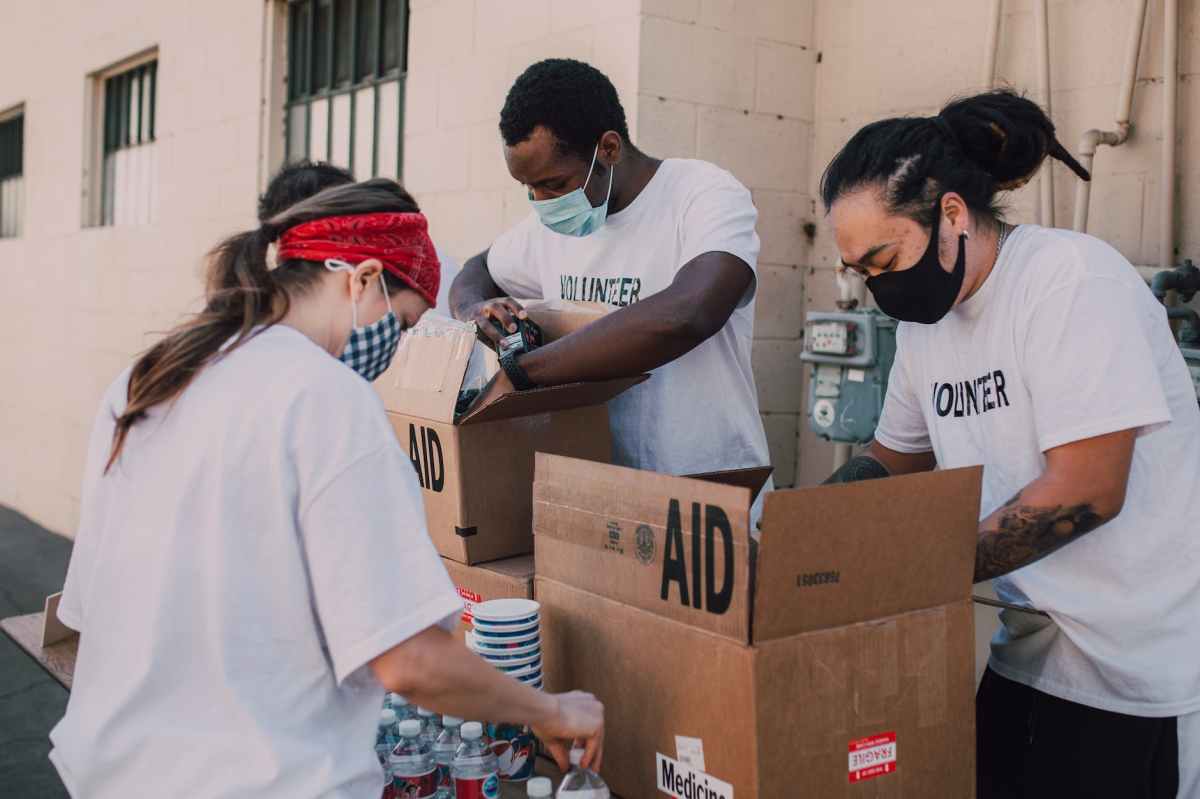
Discipline of Generosity

[Bible references: Psalm 24:1; Proverbs 11:24-25; Ecclesiastes 5:10-20; Matthew 6:1-4, 24; Luke 12:13-21; 2 Corinthians 9:6-15]

If we have entered the discipline of simplicity to order our lives and stewardship,

and if we have entered the discipline of gratitude to order our attitudes,

and if we have entered the discipline of fasting to order our needs

and if we have entered the discipline of lament to order our desires

then we are in a place enter into the discipline of generosity.

The spirit of generosity is helped by all the previous disciplines. They open us up to recognizing God’s generosity in our life so that we can extend His generosity to others. To move from the spirit of generosity to the discipline of generosity we must move from giving from out of the overflow of what we received to looking for ways to give that may stretch us. If we are confident about God’s provision for us, then we will be free to give from a feeling of abundance rather than scarcity.

One of the ways to begin is with the tithe, 10% of our income. That kind of giving normally requires us to have discipline with some of our other expenditures. If 10% seems too much, you can start lower but look for ways to increase over time. If 10% is not a stretch, then you may consider increasing from there. The goal of the discipline of generosity is to move us from “merely” giving from the overflow of what we received to looking for ways to give that may stretch us.

The principle of the tithe does not apply only to our money, but to our time and talents (spiritual gifts) as well. The point to remember is that God provides all we have, and our discipline is to give back out of what he has already given as an appreciation of all He has provided, and an acknowledgement of our dependence on Him.

Generosity is about more than just giving. It’s about our attitudes towards our possessions. Do our possessions reduce our priorities for God? Do we think that we own our possessions or that God owns them, and we are only stewards? Does our security come from our possessions or from God? By removing trust from the possessions we have and instead placing our trust in God, we will be more able to freely share what God has given.

Reflect

What keeps you from seeking to stretch your faith in God’s provision?

Observe

Read Ecclesiastes 5:10-20. How can wealth be meaningless?

Proxy wars

Dancing in the Kingdom- Table of Contents

Dancing In the Kingdom – Part 2 – The Kingdom Revealed– Chapter 10 – The Class of Apparitions

Proxy wars

[Bible references: 2 Kings 17:1-6; 25:1-21; Jeremiah 1:14-16; Daniel 1:1-6; Ezra 1:1-4; 6:12; Ephesians 6:10-20]

Since the time of Adam and Eve a war has been underway. God’s Kingdom has found itself in a war with Kingdom of darkness, battling over the souls of God’s image-bearers. We cannot directly see the clash of spiritual kingdoms, but we see it indirectly, sometimes in clashes between image-bearers and sometimes within ourselves. The apostle Paul reminds us, though, that our struggle is not against “flesh and blood” but rather the “spiritual forces of evil.”

Even so, the spiritual war is played out in the human realm where we brokenly pursue love apart from God, hoping to find love somewhere else, whether in power, traditions, possessions, other people, etc. We then find that when we look for love other places than God, we are then confronted by fears which inevitably result in clashes, especially in times of change.

A great time of change was about to occur as the time approached for Jesus’ incarnation. There were clashes between empires that overran the Promised Land, clashes between groups of people in that land, and clashes of values between and within those groups.

As the time of Jesus’ incarnation approached, the residents of the Promised Land, begin to speak Aramaic instead of the Bible’s language of Hebrew. When the Greek empire moved in it tried to supplant all the local languages and cultures, resulting in an effort to the translate all the Hebrew writings into Greek, producing among many things, the Greek version of the Hebrew scripture called the Septuagint. The Septuagint became a major reference not only for the non-Hebrew speaking Jews but also for the church, particularly as the church became more Gentile. This change accelerated the loss of the Hebrew understandings of Scripture.

When the Roman empire overtook the Greek Empire, it initially allowed the use of Greek as the international language but would set up a clash later when the empire would replace Greek with Latin as its preferred language. The changes in languages and cultures became part of the clash over which writings should be considered as part of what will be called the Old Testament scriptures.

The Greek Church maintained the use of the Septuagint as it’s Old Testament, while the Latin speaking Roman-Catholic Church used only parts of the Septuagint. Later on, the Protestants rejected the Septuagint and only used the Hebrew writings that were approved by Jews in the early centuries A.D.[1]

The books used by the Roman Catholic and Orthodox Churches but not used by the Protestants are sometimes referred to as the Apocrypha (hidden) or the Deuterocanonical (second canon) books. Although the Protestants may disagree about whether those books are inspired, there is useful information in those books that help explain the culture of the world that Jesus was born into.


[1] Nelson, Ryan. “What is the Masoretic Text? The Beginner’s Guide” The Beginner’s Guide to the Bible overviewbible.com/Masoretic-text

Observe

Read Ephesians 6:10-20. What difference does it make if you are aware that the conflicts present in the world around us are manifestations of spiritual warfare?