The Spirit and the servant-leaders

Dancing in the Kingdom- Table of Contents

Dancing In the Kingdom – Part 2 – The Kingdom Revealed – Chapter 12 – Launching the church

The Spirit and the Servant-Leaders

[Bible references: Matthew 23:8-11; Acts 1:12-26; 2:42-47; 4:32-37; 6:1-6; 8:14-17; 9:26-31; 11:1-18; 13:1-3; 15;1-29, 36-41; Galatians 2:1-14]

God had created the church as a community: a community to share life and resources, to support one another, to share the gospel and send out missionaries, and to pray together and make decisions together. It was as a community, a council of apostles, that they:

  • Chose Mattias to replace Judas Iscariot
  • Chose seven men to oversee the daily distribution of resources among the church
  • Accepted Saul into their ranks as an apostle.
  • Decided that the gospel was to be shared among the Samaritans and the Gentiles
  • Decided that Gentiles did not have to become circumcised to become believers.

It is normal that within the community decision-making, disagreements were a part of the discussion and those disagreements needed to be worked out. For example, there was at least one occasion where Paul had to correct Peter’s concession to the circumcision group within the community who were denying grace of the gospel. In the end though, the apostles’ decision-making included God, so their decisions always included prayer.

Outside the venue of the council, there were other disagreements as well, including one where Paul and Barnabas disagreed about whether to take Mark along on a mission trip. That result ended up with Barnabas and Paul splitting up and with Barnabas taking Mark with him.

Observe

Read Matthew 23:8-11; Acts 1:12-26; 2:42-47; 6:1-6; 13:1-3. What do these passages say about church leadership?

The Spirit and the story

Dancing in the Kingdom- Table of Contents

Dancing In the Kingdom – Part 2 – The Kingdom Revealed – Chapter 12 – Launching the church

The Spirit and the Story

[Bible references: Exodus 18:13-26; Joel 2:28-32; Psalm 16; Luke 16:19-31; John 16:13; Acts 2:1-4; 6:1-7]

During Jesus’ three years of ministry, His teaching about the Kingdom of God coming to earth was accompanied by signs: miracles of healing, cleansing, and raising the dead, and by forgiveness of sins. The miracles affirmed the message. With the introduction of the church as the vehicle by which the gospel would be spread, more signs and miracles were called for.

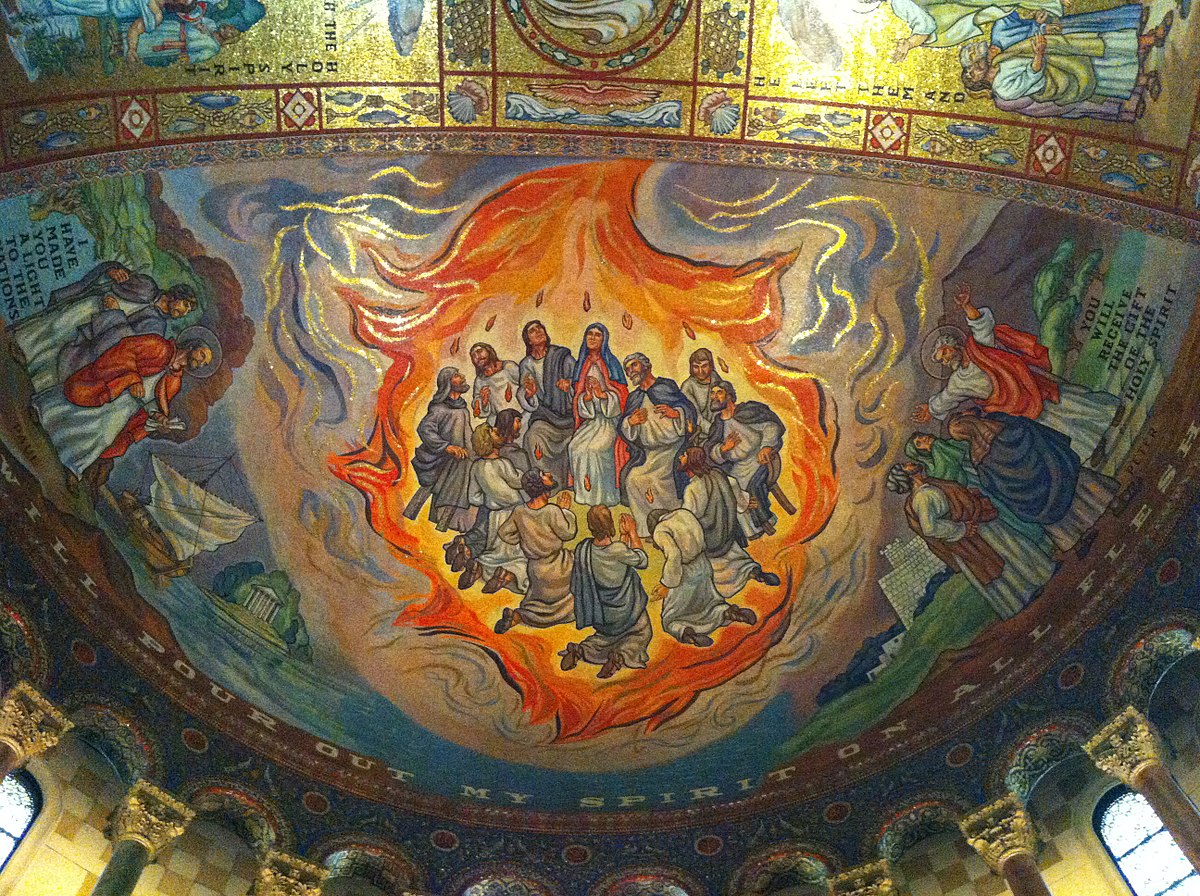
On Pentecost, Jews from all over the Roman Empire gathered in Jerusalem. Many were in the upper room with the apostles, when the Holy Spirit visibly empowered the apostles with tongues of fire, a violent wind, and the reversal of the tower of Babel as people of many different language groups were able to hear the apostles speak in their native tongues. These signs caused much excitement and wonder as the people responded to the work of God. As was true during the time of Jesus’ ministry, there were some who were ready to hear the gospel and others who were not. Those who were ready to hear the apostles’ message were able to understand the apostles’ message while those who were not ready did not understand the signs and resorted to mocking the apostles as if they were drunkards. This was no different than the time of Jesus’ ministry, the signs of the kingdom caused some to respond with increased faith while others responded with unbelief and hardened hearts.

As Jesus had promised, the Holy Spirit gave the apostles the words to explain what was happening. Peter quoted from the book of Joel about how the Spirit would be poured out causing all kinds of people to prophecy: sons and daughters, old men, and young men. Then Peter also quoted from David’s Psalms as he wove together the story of how all these things fit into the story of Jesus’ life, death, and resurrection. Those who were ready to hear the gospel asked what their response should be. Peter told them to repent, be baptized and then they too could receive the gift of the Holy Spirit. Since many of these people were from the Jewish diaspora, they, now filled with the Holy Spirit, would have been able to return to their homes to continue to spread the gospel, although it seems that some people from the diaspora stayed in Jerusalem.

We have sparse details of the life of the church, but there are a few things we know which are described quite succinctly in Acts 2:42-47:

And they devoted themselves to the apostles’ teaching and the fellowship, to the breaking of bread and the prayers. And awe came upon every soul, and many wonders and signs were being done through the apostles. And all who believed were together and had all things in common. And they were selling their possessions and belongings and distributing the proceeds to all, as any had need. And day by day, attending the temple together and breaking bread in their homes, they received their food with glad and generous hearts, praising God and having favor with all the people. And the Lord added to their number day by day those who were being saved.

With the rapid increase in disciples came some logistical problems as well. The miracles of the Spirit did not end the day-to-day problems of communicating between different cultural groups within the church. In the normal practice of sharing goods within the church and within that the need to take care of widows and orphans, there came a point where the Greek-speaking widows from outside Israel were not getting the same care as the Hebrew speaking widows. Because the apostles wanted to focus on teaching and prayer, they gathered the church to address the issue. The church resolved the issue by selecting seven men to oversee the distribution of goods. However, this would not be the last time that language and culture barriers would affect life of the church.

Observe

Read Exodus 18:13-26; Acts 6:1-7. What do these passages say about effective leadership?

Passion unto death

Dancing in the Kingdom- Table of Contents

Dancing In the Kingdom – Part 2 – The Kingdom Revealed – Chapter 11 – The Kingdom Enters

Passion unto death

[Bible references: Genesis 3:12; Matthew 16:21-23; 21:4-5; 26-27; Mark 9:30-37; Luke 22:54-62; John 1:14; 12:12-19; Romans 1:18-32; 5:20; 6:23; Ephesians 2:1-10]

There is a sense in which each moment of history is equally important to the next. Each moment is a moment which God pursues us as he guides us to our ultimate flourishing. There is no reason to suppose that our continuing flourishing will cease once heaven and earth are reunited, but we should expect that our flourishing will continue as a manifestation of his glory.

However, in our current state of affairs in which earth is broken from heaven, there are moments, epiphanies, in which heaven more noticeably breaks through. There are moments in which angels are more visible or in which Yahweh reveals himself through his prophets. Even more remarkable is the moment in which Yahweh submitted himself to taking on human form, even to the point of being conceived as an embryo inside the body of a human woman and then enduring the normal process of physically growing to become a human adult. Yet even that was not sufficient. Yahweh may have taken the form of a human, but it wasn’t a glorified human,[1] not yet the human as he intends for us to be.

To do that would require him to suffer the shame and justice that we ourselves have earned. The sin that brought us death would have to overcome by a sacrifice that would bring us life. In becoming human, Jesus identified himself with us, but in order for us to become like him he would have to make us ready to receive his spirit. We were helpless to make ourselves acceptable to God, to make ourselves free from sin and its consequences. Bonhoeffer once related his prison experience to Advent. He could not free himself – he needed someone to come from the outside to rescue him.[2] And that is our dilemma, we need someone to come from the outside to rescue us. The covenant revealed to Moses was given to increase our sin, to make it more evident than before about our inability to rescue ourselves. We were condemned by our sin to remain separated from God.

We saw in the previous chapter, that the world was very much like it is now, full of factions and frictions, the powerful and the poor, and everyone waiting and wanting the world to be a better place. The world into which Jesus was born was as broken as it is now. Jesus came into this world with a message of love and hope and with acts of healing and casting out of demons, but that would not be enough. Sin and death had a power over the world that needed to be broken. To rescue the world, to restore it to what it was intended to be, sin and death would need to be defeated. And there was no one who could carry out the rescue except God.

It was as true then as it is now, ever since Adam and Eve, people look at the problems around them and think that the problem lies somewhere else besides inside them. In particular, the more factions and frictions there are, the easier it is to find someone else to point to. So, when Jesus came, teaching, healing, and identifying with the common people more than the elite, it seemed that the more Jesus revealed himself the more the people seemed to think that Jesus would be the one – to rescue them from the Roman government.

Even Jesus’ chosen twelve disciples, the ones who would spend three years with him day and night … even they couldn’t understand the type of rescue they would need. Jesus would explain many times about what he needed to do, but the disciples couldn’t understand. The truth is, though, that even as we look back and see what Jesus had to do, we also have a hard time fully understanding just how desperately that we need rescuing. We don’t understand the depths of our own depravity.

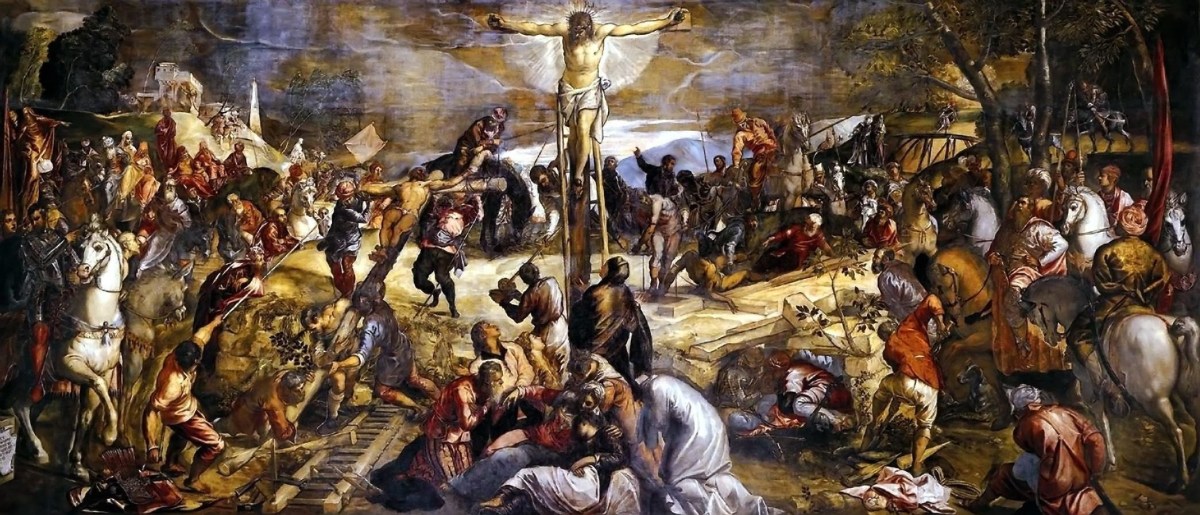
When Jesus approached Jerusalem with his disciples for the last time, some of the disciples argued about which of them was the greatest, or who would sit next to Jesus on his throne. When Jesus showed his power with his resurrection of Lazarus, the crowds got more excited about the possibility of Jesus throwing out the Roman government and then they gave him a grand entry into Jerusalem. However, Jesus refused to act as they wanted, and the crowds eventually turned against Jesus. Even one of the disciples, Judas Iscariot, gave up on Jesus and agreed to betray him to the Sanhedrin. Then, when Jesus was arrested, the rest of the disciples went into hiding. Even Peter, who tried to follow the lynching party at a distance, refused to be identified with Jesus.


[1] Got Questions “How does the Bible describe glorified bodies we will possess in heaven?” Got Questions www.gotquestions.org/glorified-bodies.html

[2] Kincaid, Elisabeth Rain, “Bonhoeffer: Advent is Like a Prison Cell” Christianity Today www.christianitytoday.com/women/2018/december/bonhoeffer-advent-is-like-prison-cell.html

Observe

Read John 12:12-19. In this scene, the crowd is expecting a rescue from the Romans,  the Pharisees are worried about their competition becoming too popular, and the disciples are not comprehending what is happening. How did the disciples eventually understand what was happening?

Taxation and Representation

Dancing in the Kingdom- Table of Contents

Dancing In the Kingdom – Part 2 – The Kingdom Revealed– Chapter 10 – The Class of Apparitions

Taxation and Representation

[Bible references: Matthew 22:15-22; 17:24-27; Romans 13:1-7]

One of the issues at the beginning of the United States was a dispute over taxation without representation. The government in Rome set up a taxation system like all other governments in those days, the burden imposed by the taxes on the people was not a consideration. Furthermore, the tax collection that was done on behalf of the Roman government was handled by people that were often unscrupulous. When challenged about whether to pay those taxes, Jesus did not directly challenge the right of the government to collect taxes, but he used the image on the Roman coin to make a more significant point about idolatry.[1] The coin bears Caesar’s image (eikon) and belongs to that realm but God created us as his eikon and we belong to him.

The temple tax was established by Moses as a way of paying for the upkeep of the Tabernacle and was continued to support the upkeep of the Temple.[2] When challenged to pay the taxes by representatives of the temple, Jesus had a conversation with Peter which implied, that kings require taxes from strangers but not family, so as children of God, they did not need to pay the temple tax. Yet, so as not to cause offense, Jesus arranged to pay the taxes for Peter and himself anyway.


[1] By highlighting the physical features of the denarius used to pay the tax, Jesus gives us a number of things to think about. In the first place, the image of the emperor stamped into the coin’s surface, along with the blasphemous inscription with its claim to divinity2, call to mind the prohibition against images in the Decalogue (Exodus 20:4). By pointing out that his opponents possess and display such an object within the Temple grounds (21:23), Jesus seems to raise, not lower, the stakes of the conversation about money and human loyalty. The issue at stake here is nothing less than idolatry. (And this is not a problem that we can solve simply by printing different words on our currency — even words that confess our trust in God.) Furthermore, when we think about Jesus highlighting the physicality of that denarius — the coin stamped out by human hands for human purposes, and the image of Caesar imprinted on it — it’s hard to ignore the connection to those words from the beginning of Genesis about what God said the first time God stamped out a human being: “Let us make humankind in our image, according to our likeness” (Genesis 1:26). (Pape, Lance. “Commentary on Matthew 22:15-22”) Working Preacher www.workingpreacher.org/commentaries/revised-common-lectionary/ordinary; Donavan, Richard Niell. “Biblical Commentary (Bible Study) Matthew 22:15-22” Sermon Writer  sermonwriter.com/biblical-commentary/new-testament-matthew-2215-22/

[2] Smith, Dean “Why Did Jesus Pay the Temple tax?”; Keener, Craig S. “The IVP Bible Background Commentary New Testament Open the Word Sept 16, 2016, opentheword.org/2016/09/16/why-did-jesus-pay-the-temple-tax/ p. 92-93

Reflect

In our system of representative government, we don’t have a direct say in how our tax money gets used. Some people feel that some of our tax money is used for immoral purposes. What do you think our response should be?

Observe

Read Matthew 22:15-22; 17:24-27; Romans 13:1-7. What is the link between paying taxes and loving our neighbor?

Diaspora

Dancing in the Kingdom- Table of Contents

Dancing In the Kingdom – Part 1 – Shadows of the Kingdom – Chapter 9 – The Prophets and writings

Diaspora

[Bible references: John 13:35]

The term “diaspora” is usually reserved to refer to a group of people that has been scattered from a single location. In this case, the term is used to refer to the scattering of Jews from the Promised land. But this particular diaspora is only a part of God’s larger plans for His people.

Our God is a God of overflowing love. His love caused Him to create us so that His love could overflow from Himself to us. He wanted His image-bearers to carry out His mission of overflowing love and overflow from Eden to fill the entire earth. When we rebelled against His overflowing desire so that we could make a name for ourselves instead, He confused our language at Babel so that we would continue to flow out over the earth. When God wanted to prepare His Holy Nation for His mission, He scattered them to Egypt. When Israel rebelled against His mission of overflowing love, He scattered them from the Promised Land. The Son of God came in overflowing love to offer Himself in sacrifice in order to restore us to Himself. When the scattered Jews from many nations gathered for Pentecost, God reversed the action of Babel, and His message of overflowing love was shared in many languages so that the message of overflowing love would be carried to the Jews in many nations. To continue the overflow, God worked with Peter and Paul so that His love could flow out to the Gentiles as well. God further ensured the flowing out by using the Romans to scatter both Jews and Christians from Jerusalem. To this day, when our focus is more on building our Christian institutions, becoming too ingrown, God continues to scatter His people so that His message of overflowing love will reach more people in more places across the earth.

This program of overflowing creates a Dynamic Tension between our scattering and our unity. It would be well if our scattering was motivated by love so that we would continue to stay unified as we scatter. It would be well if our scattering was to reflect and uplift the different cultural groups within the church. Sadly though, our scattering is often due to divisiveness rather than love, contrary to the intent that the world will recognize that we are disciples of Jesus because of our love.

Observe

Read John 13:35. How is our love strengthened by our learning to love people different from ourselves?

New Testament Missions

Dancing in the Kingdom- Table of Contents

Dancing In the Kingdom – Part 1 – Shadows of the Kingdom – Chapter 1 – Prelude

New Testament Missions

[Bible references: Acts 8-28; Romans 9-10]

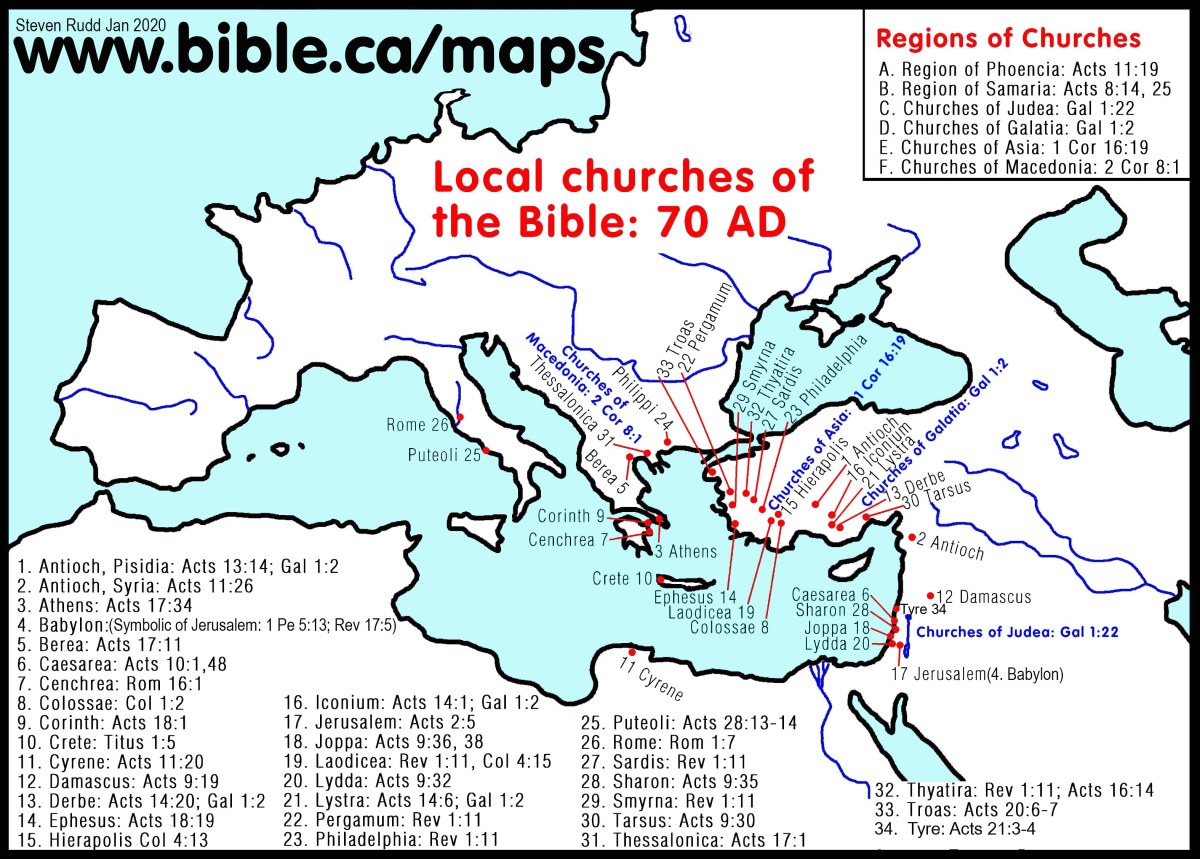
In the Bible, the most extensive effort to bring the Gospel to the world was carried out by Paul. Paul’s efforts are recorded in the book of Acts and in the letters Paul wrote. Paul undertook four missionary journeys. The first journey covered parts of what is now Turkey. The second and third journeys expanded the mission in that area and then also expanded into the area we now call Greece. Paul’s fourth journey was to Rome. [The Bible hints about the possibility that Paul went to the are we now call Spain, but there is no corroborative evidence of that.]

The Bible doesn’t talk much about what journeys the other apostles went on, but there is evidence that the other apostles did their own missionary journeys. According to the information we have, Peter went to Rome, Andrew to the Greek city of Patras, James stayed in Jerusalem, John to Ephesus, Philip to the Greek city of Hierapolis, Bartholomew and Thomas to India, Matthew to Ethiopia, James of Alphaeus to Egypt.

Observe

Read Romans 9:1-19; 10:1-7.  The early church was mainly Jews and did not seek out non-Jews on their own initiative but eventually God directed the church to do so. What would God need to do to convince you to serve in a place where you were not comfortable?

New Testament Church

Dancing in the Kingdom- Table of Contents

Dancing In the Kingdom – Part 1 – Shadows of the Kingdom – Chapter 1 – Prelude

New Testament Church

[Bible references: Acts 1-7]                             

Jesus’ ministry was primarily to the Jews. After Jesus resurrection and return to heaven, the disciples, following Jesus’ instructions, waited for the Holy Spirit to come upon them. That did not happen until ten days after Jesus’ ascension to heaven during the feast of Pentecost.

With the power of the Holy Spirit, the church expanded. For nearly 14 years the focus was on expanding the church through the Jewish community, so the church primarily consisted of Jews who became followers of Christ. The church then was filled with practicing Jews who were also Christians.

 But then God intervened twice to refocus the church expansion to include the Gentiles. In the first case, through visions, God arranged a meeting between the apostle Peter and a centurion named Cornelius. In the second case, God called someone who was a persecutor of the church, Saul, to be an apostle to the Gentiles.

As Gentiles came into a church filled with practicing Jews, some people in the church thought that the Gentiles should also become Jewish in order to then become Christians. But in a church council, the church confirmed that Gentiles did not have to become Jews in order to follow Christ. James, acting as the leader of the council, quoted Amos 9:11-14, to confirm the ministry to the Gentiles.

Observe

Read Acts 2:42-47; 6:1-7. What would you be willing to do in order to be in a church like the one described here?

Overview of the Gospels

Dancing in the Kingdom- Table of Contents

Dancing In the Kingdom – Part 1 – Shadows of the Kingdom – Chapter 1 – Prelude

Overview of the Gospels

[Bible references: Matthew, Mark, Luke, John]

The New Testament begins with a set of four biographies about Jesus. They are referred to as the Gospels of Matthew, Mark, Luke and John. It is possible to think about the Old Testament as the inspired introduction to the New Testament, foretelling of the Person, work and kingdom of Christ. Old Testament quotes, allusions, and types are woven into the Gospels.

Christ is presented as king (who rules over all things), prophet (who represents God to the church) and priest (who intercedes for the church).  All the gospels record: the unique revelation of Christ, the ministry of John the Baptist, the feeding of the 5,000, Christ’s offer of Himself as King, the betrayal by Judas; the denial by Peter, the trial and crucifixion and bodily resurrection of Christ, events during the forty days of the post-resurrection ministry of Christ, the hope of His second coming.

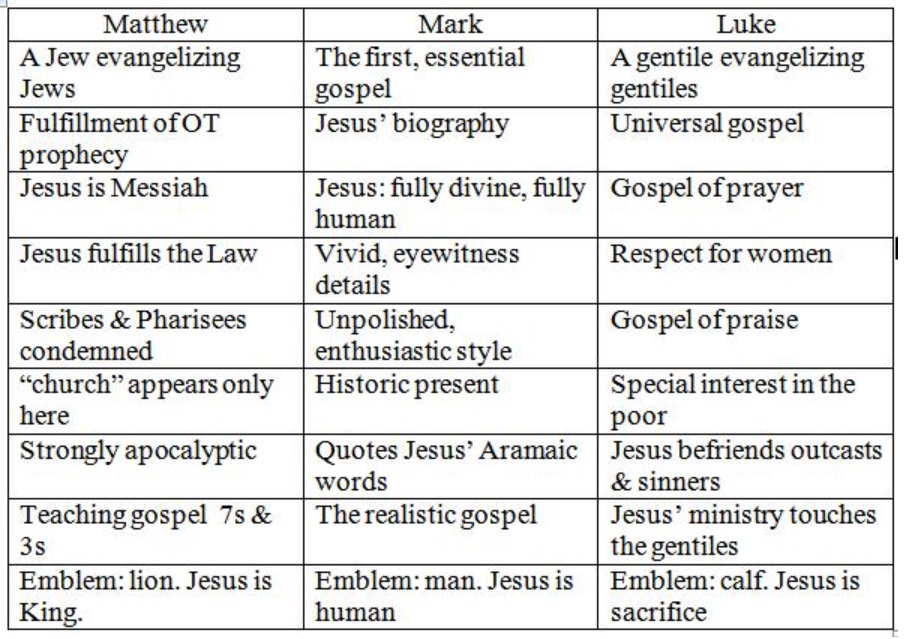
The following table shows how the Gospels tell the story of Jesus from different perspectives, each focusing on different perspectives of Jesus’ life, and each trying to give a different message about the life of Jesus.

Comparison of Gospels
 MatthewMarkLukeJohn
Portrait of JesusKingServantTeacherSon of God
Original readersJewsRomansGreekschurch
Key phrasesKingdom of heaven, fulfilledKingdom of God, Immediately, nowKingdom of God, Son of manBelieve, Word of God, only begotten Son, eternal life
FocusJesus is the Messianic King of the promised Davidic kingdom which fulfills the Old Testament prophecies and claimsJesus is the authoritative Son of God. He is God’s triumphant envoy come to suffer and die in order to claim victory over sin and deathJesus is the perfect Son of Man, the Messiah prophesied by the prophets who came to save and to minister of people of all nations through the power of God the Holy SpiritJesus Christ is the fully divine Son of God who existed before creation. He is the true Lamb of sacrifice through whom we receive the gift of eternal life
Prominent sectionssermonsmiraclesparablesteachings
Genealogytraced to Abrahamnonetraced to Adamnone
Geographic emphasisGalileeGalileeGalileeJudea
Comparison of the Gospels

Observe

Read the chart above. Which gospel is centered in Judea?