Inheriting the kingdom

Dancing in the Kingdom- Table of Contents

Dancing In the Kingdom – Part 2 – The Kingdom Revealed – Chapter 11 – The Kingdom Enters

Inheriting the Kingdom

[Bible references: Matthew 5:1-12; 18:1-9; 19:13-14; 25:34; Luke 18:15-17; John 3:1-8; James 1:4]

The Beatitudes are not parables but rather descriptions of the type of people who are in the kingdom of heaven (first and last beatitudes) and the blessings that they shall obtain.[1] The poor in spirit are those who see themselves powerless, helpless in themselves and unworthy regarding Yahweh;[2] they know that they may be loved by God, but they are broken and not worthy of that love. Those who mourn are those who mourn for their sin, for loss, injustice, etc.[3] The meek are those who trust in Yahweh are will wait for Yahweh even in the face of opposition.[4] Those who hunger and thirst after righteousness are those who want justice as much as they do food and are willing to take action for it.[5] The merciful are those who respond to the mercy shown them by Yahweh by showing mercy to those who need it.[6] The pure in heart are those who stay away from deceit and want the glory of Yahweh.[7] The peacemakers are those who pray for and pursue peace even for those who persecute them.[8] Those who are persecuted for righteousness’ sake are those who are persecuted because of their pursuit of righteousness but not because they were not merciful or not poor in spirit.[9] The beatitudes show the rewards and blessings and shalom  (peace, wholeness, and well-being) for all those types of people.

No one enters the kingdom of Yahweh by their own merit, it is strictly only by family ties. Children only. Only those who are born-again, that is born into the family of Yahweh, are eligible to inherit the kingdom of God. The beatitudes describe the kind of children that one should find in the kingdom. Jesus reinforces this again when answering the question about who is greatest in the kingdom of God. Furthermore, Jesus cautions the adults in this world that not only should they become like children but that they should not cause problems for the children in this world.


[1] Piper, John. “The Beatitudes and the Gospel of the Kingdom” Desiring God 26 Jan 1986 www.desiringgod.org/messages/the-beatitudes-and-the-gospel-of-the-kingdom ; Kauffman, Richard A. “Blessed are those who mourn” Christianity Today www.christianitytoday.com/ct/2007/july/22.50.html

[2] Piper, John. “Blessed are the Poor in Spirit who Mourn” Desiring God 2 February 1986 www.desiringgod.org/messages/blessed-are-the-poor-in-spirit-who-mourn

[3] Biblehub “Matthew 5:3” Biblehubbiblehub.com/matthew/5-3.htm

[4] Piper, John “Blessed are the meek” Desiring God 9 Feb 1989 www.desiringgod.org/messages/blessed-are-the-meek

[5] Piper, John “Blessed are those who hunger and thirst after righteousness” Desiring God 16 Feb 1986 www.desiringgod.org/messages/blessed-are-those-who-hunger-and-thirst-for-righteousness

[6] Piper, John, “Blessed are the Merciful” Desiring God 23 Feb 1986 www.desiringgod.org/messages/blessed-are-the-merciful

[7] Piper, John, “Blessed are the Pure in Heart” Desiring God 2 Mar 1986 www.desiringgod.org/messages/blessed-are-the-pure-in-heart

[8] Piper, John, “Blessed are the Peacemakers” Desiring God 9 Mar 1986 www.desiringgod.org/messages/blessed-are-the-peacemakers

[9] Piper, John, “Blessed are the Persecuted” Desiring God 16 Mar 1986 www.desiringgod.org/messages/blessed-are-the-persecuted

Observe

Read Luke 18:15-17; James 1:4. James encourages us to become mature in the faith. Luke encourages us to receive the kingdom of God like a little child. How do we reconcile these two thoughts?
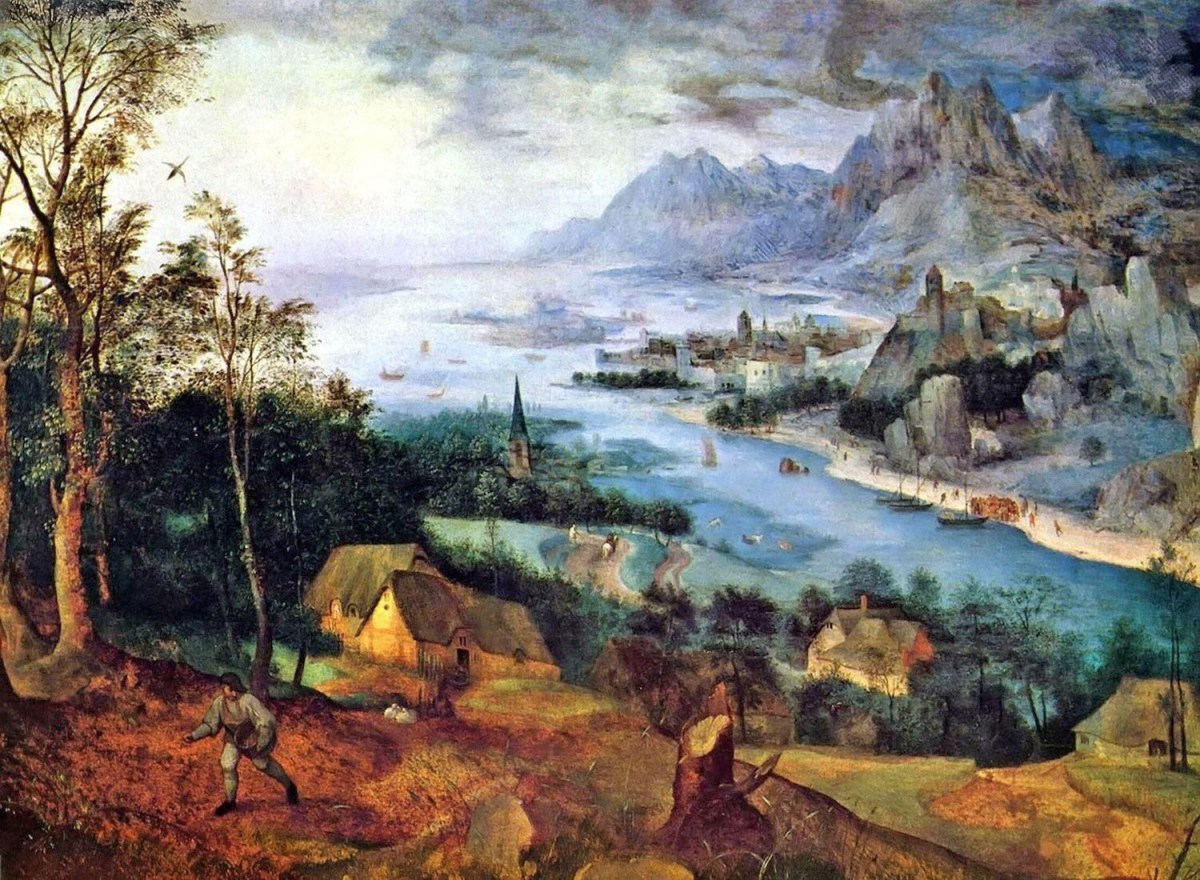
Kingdom questions and parables

Dancing in the Kingdom- Table of Contents

Dancing In the Kingdom – Part 2 – The Kingdom Revealed – Chapter 11 – The Kingdom Enters

Kingdom questions and parables

[Bible references: Matthew 13:11-17; 21:18-46; Romans 1:18-21]

One time, some people challenged Jesus about the source of his authority. Jesus challenged them back with a question about where they thought the baptism of John was from, “Was it from heaven or earth?” That was only one of many times when Jesus would answer questions with questions.[1] Jesus’ questions were not to gather information for himself but for other reasons: sometimes to force the questioners to deal with their own hearts and motivations.[2] Jesus even sometimes asked if people really wanted to be healed; we know that sometimes people don’t like to change or to take up new responsibilities.

Jesus taught the crowds about the values of the kingdom and the attitude of those in the kingdom by using parables. Many things about the kingdom were quite different from conventional values – they sometimes seemed to be upside-down.[3] Parables used everyday metaphors and examples that could be understood by those whose hearts are open.[4] However, those whose hearts are not open cannot understand the parables. This is like the testimony of those who look at creation: those whose hearts are open can look at creation and see the handiwork of God, but others, whose hearts are not open will not see the handiwork of God – yet no one will have excuse.


[1] Pope, Charles. “100 Questions Jesus Asked and You Should Answer” Community In Mission, Archdiocese of Washington 18 April 2021 blog.adw.org/2021/04/100-questions-jesus-asked-and-you-should-answer.

[2] Arch, David “Ask Questions Like the Master Teacher” Christianity Today www.christianitytoday.com/biblestudies/articles/churchhomeleadership/040602.htm

[3] Thompson, Mark. “Upside Down Kingdom Parables: The Lavish Love of God” Remedy Church 29 Oct 2017 remedylodi.com/upside-down-kingdom-parables-the-lavish-love-of-god

[4] Blue Letter Bible “Our Lord’s Parables” Blue Letter Bible www.dailywordofgodgroup.com/why-jesus-taught-in-parables.htm; Edersheim, Alfred. “Why did Jesus teach in Parables?” Christianity.com www.christianity.com/jesus/life-of-jesus/parables/why-did-jesus-teach-in-parables.html

Observe

Read Matthew 21:23=27. Jesus’ questions are often used to pierce to our hearts. How do you answer Jesus’ question in this passage?

The Story-Teller and His Book

Dancing in the Kingdom – Table of Contents

Dancing In the Kingdom – Part 1 – Shadows of the Kingdom – Chapter 1 – Prelude

The Story-Teller and His Book

[Bible references: Genesis 1-50; Matthew 1-28 or Matthew 13:1-23]

Over the last two millennia, many scholars have delved deeply into the details of this complex story in their attempts to interpret this story, trying to figure out not just the story but its Creator. There is so much of the creation itself that we don’t understand that it “makes sense” that we would be unable to understand the one who created it. In all of this, in what seems to be a deliberate pattern, the Creator doesn’t try to explain Himself, as much as He just does things and then tells us who He is and what He does, things such as:

  • The creation of the world and His response to it.
  • The first people He created and the messes they made and how He responded.
  • The family he chose to give His laws to, the messes they made, and how He responded to them.

And then the seemingly impossible happened, God came to us himself, in human flesh, as Jesus, a man from Nazareth, a small town in the Galilee region of ancient Israel, speaking to us as one human to another. In condescending to us, much of his basic teaching was given in the form of little stories called parables through which even children as well as adults can intuitively grasp the very character of the Creator.

The complexity of the Biblical story opens up the possibility to many various ways to retell the story, allowing us to draw attention to the many different aspects of the story. The Bible itself starts out by laying out various themes at the beginning that are then retold in different ways throughout the Bible. Dancing in the Kingdom will continue that spirit, laying out that story in different ways. As you read through each iteration, look for what is unique in each instance. When you reach the end of Dancing in the Kingdom, take the time to retell the story in your own words and how you fit into it.

Reflections

If you have the time, skim through Genesis and/or Matthew. Notice that much of the Bible is narrative, stories about things that happened. Write down your impressions of this high-level skimming read of these books and of any questions you have then share them with others.

Observe

Read Genesis 1-3 and Matthew 1-3. Compare the first three chapters of Genesis with the first three chapters of Matthew. What do they show about how God works?