
Dancing in the Kingdom- Table of Contents
Dancing In the Kingdom – Part 1 – Shadows of the Kingdom – Chapter 6– A nation emerges
Law and Love
[Bible references: Exodus 20:1-17; Leviticus 1-7; 19:18, 34; Deuteronomy 4:27-31; 6:1-6; Matthew 22:37-40; John 13:35; 1 Timothy 1:5]
The amount of killing carried out in the tabernacle to fulfill the necessary sacrifices would be a constant, grisly reminder of the cost of our sin. There were sacrifices to be made for many types of occasions: burnt (or ascension) offerings, sin offerings, guilt offerings and others. There was much bloodletting from the many animals sacrificed on the altar, a constant reminder of the cost of our sins.
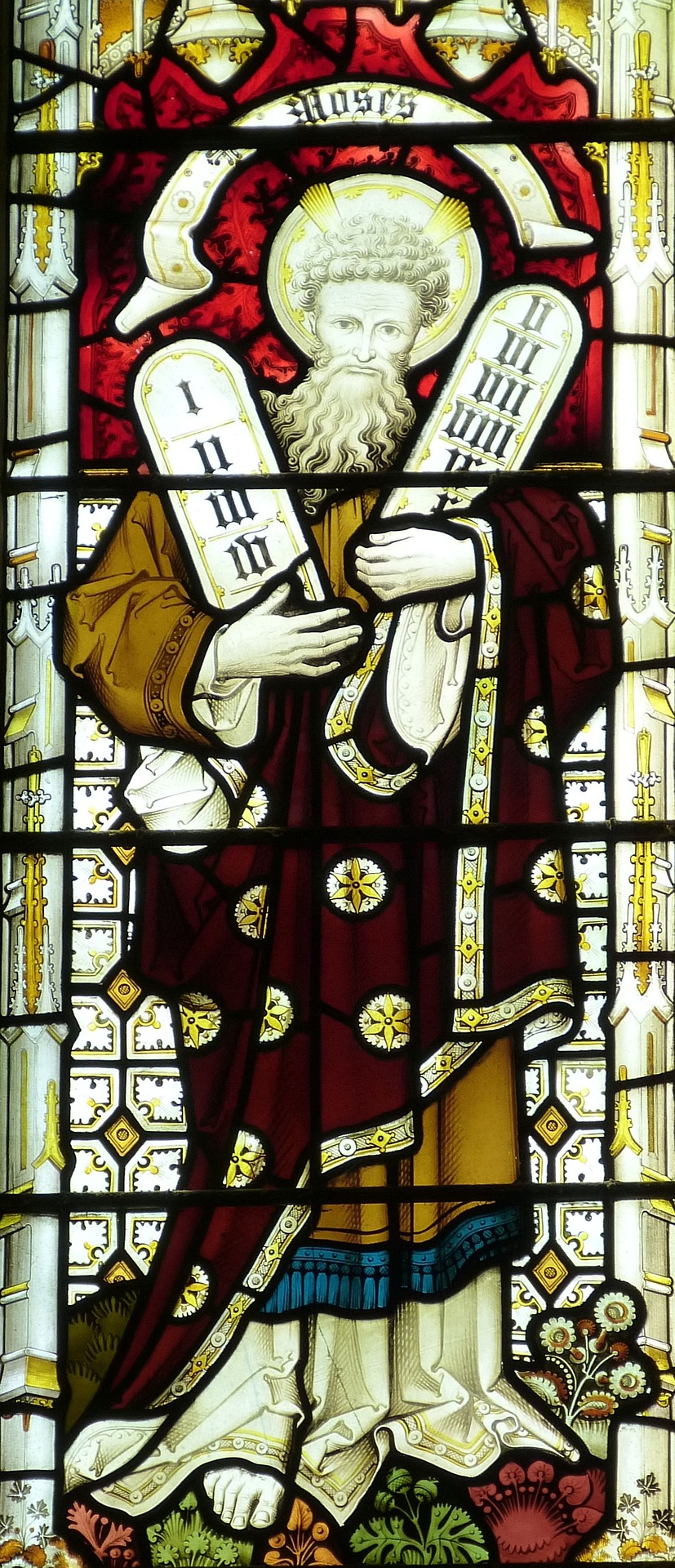
In addition to the rules of the tabernacle, God also gave other rules that covered other areas of life. Most of us are familiar with the moral code we know as the ten Commandments, but there were many other laws that covered other situations as well. Of the 603 other rules (mitzvot) that can be found,[1] they can all be summarized in the commands: Love God with all your heart, soul, mind, and strength; Love your neighbor as yourself. Whether in the ten commandments or in the other 603 mitzvot, all the rules are predicated on love, thankfulness and pleasing one another. All the instructions point to practical ways for us to love God and one another.[2]
[1] Judaism 101, “List of the 613 Commandments” Judaism 101 www.jewfaq.org/613.htm
[2] Isaacs, Ronald H. “Rabbinic Reasons for the Mitzvot” myjewishlearning.com www.myjewishlearning.com/article/rabbinic-reasons-for-the-mitzvot/; Messianic Jewish Bible Society “Love and the Hebrew language” Messianic Jewish Bible Society free.messianicbible.com/feature/love-and-the-hebrew-language/; Levinson, John D. “The Shema and the Commandment to Love God in its ancient context” The Torah www.thetorah.com/article/the-shema-and-the-commandment-to-love-god-in-its-ancient-contexts
Reflect
If you had to live through the experience of seeing many animals slaughtered as sacrifices for the sake your sins and others’ sins, how would that affect your thinking?
Observe
Read Leviticus:19:18, 34; Deuteronomy 4:27-31. What practical things do these passages suggest about how to love?
 Dancing In The Kingdom