Discipline of Worship/Celebration

Dancing in the Kingdom- Table of Contents

Dancing In the Kingdom – Part 3 – Dancing in the Kingdom– Chapter 15 – Reforming our Souls

Discipline of Worship/Celebration

[Bible references: Deuteronomy 12; Isaiah 6:1-13; Matthew 6:25-34; John 4:23-24; Psalm 29; 95:1-7; 102; Romans 12:1-2]

“Authentic worship will impel us to join in the Lamb’s war against demonic powers everywhere—on the personal level, on the social level, on the institutional level. Jesus, the Lamb of God, is our Commander-in-Chief. We receive his orders for service and go …”[1]

 “The pervasive sinfulness of human beings becomes evident when contrasted with the radiant holiness of God. Our fickleness becomes apparent once we see God’s faithfulness. To understand his grace is to understand our guilt” [2]

God does so many things in our lives, and when we build up worship as a spiritual discipline, we learn to identify what He has done and honor him in appropriate ways. The first step it to give glory to God for all things in our lives. When we have privileges, they come from God. When we are bountiful, it comes from God. When we see something beautiful or good, we need to thank God for those things. God shows us His ways through others, and by giving Him the glory, we are worshiping him.

Another way to respond to God is to sacrifice. Sometimes honoring God means giving up things we think we’re enjoying but may not be edifying. We sacrifice our time by volunteering, and we sacrifice our money to help those in need, we sacrifice our ear to those who need us to listen. Sacrifice doesn’t always mean grand gestures. Sometimes it’s small sacrifices that allow us to worship God in our actions.

The spiritual discipline of worship can be beautiful and fun. The obvious form of worship, celebrating together and singing in church, can be a great time. Some people dance. Worshiping God can be both fun and serious. Laughter and celebration are ways to worship God.

As we practice the spiritual discipline of worship, we learn to experience God in His Glory. We easily identify His works in our lives. We seek out our time with God in prayer or conversation. We never feel alone because we always know God is right there with us. Worship is an ongoing experience and connection with God.

Worship is probably the most familiar of the Spiritual Disciplines. What does it mean to practice worship as a Spiritual Discipline? We all worship something; it’s only a question of what it will be. The number one topic of the Bible is our worship of God. The Israelites were constantly getting into trouble because of one thing — idolatry — the worship of something other than God. If we really believe that God is who he says he is then we will worship him, not out of a sense of duty, but because of who he is — then our worship will overflow into all other activities.

The celebration of worship is great when it just flows out of the moment we are in. The discipline of worship is necessary when we don’t feel the overflow but begin by forcing ourselves to begin to worship anyways. It might be that as we begin to worship our spirit will respond in earnestness. But even if our spirit does not seem to respond at the moment, we may continue the discipline because God is worthy despite how we feel.


[1] Foster, Richard. “Celebration of Discipline”  Harper & Row Publishers ©1978 p. 148

[2] Foster, Richard. “Celebration of Discipline”  Harper & Row Publishers ©1978 p. 160

Observe

Read Psalm 95; 102. These two Psalms begin from two different experiences. What do they have in common?

Guarding the faith

Dancing in the Kingdom- Table of Contents

Dancing In the Kingdom – Part 2 – The Kingdom Revealed – Chapter 12 – Launching the church

Guarding the faith

[Bible references: Matthew 5:11-12; Romans 5:3-4; 1 Corinthians 11:29-31; 13:7; Ephesians 6:10-18; Philippians 1:10; 1 Timothy 4:16; 2 Timothy 2:10-12; 4:5; Hebrews 10: 36; James 1:2-12; 3:2-12; Revelation 2:3]

The church was launched in a world that was opposed to it. Jesus made it very clear that following him was in invitation to suffer. There would be enemies both within and outside the church, enemies that were sometimes not so apparent and therefore requiring discernment by the faithful. The opposition takes many forms but behind all the opposition are the spiritual forces in heavenly realms.

The real enemy is not so much the individual people we see but the spiritual forces of darkness acting around us manifesting as deceivers, scoffers, false apostles, divisions in the church, idolatry, or immorality – all either around us or within us. The challenge of fighting against those forces requires us to put on the full armor of God: truth, righteousness, the gospel, faith, salvation, the Spirit, and the Word. We are called to be alert, to always pray, to learn discernment, to endure and persevere.

By both his life and his death, Jesus offered reconciliation to all cultures. By his teaching Christ called Jew and Gentile together; both were offered a place in God’s kingdom, with the ethnicity of the Jews giving them no advantage whatsoever. While Jesus modeled this reconciliation in his own life and ministry, it took his followers some time to put this aspect of his message into effect. When they did, however, the results were revolutionary. The Jewish disciples of Jesus were taught to reach out with love and acceptance to the Gentiles, whom they had come to think of as beasts. The Gentiles were invited into fellowship with the Jewish disciples without having to become Jewish. … multiculturalism means fostering a genuine respect for diverse cultural expressions such as music, art, literature, and dance, and diverse cultural traditions in such matters as education, the family, and work. Such respect does not mean ignoring moral or spiritual failings reflected in these cultural expressions and traditions (since these can be found in any culture, including European). It does mean recognizing that certain constants of human life — love, growth, need, aspiration, suffering, hope — find expression in all cultures. [1]

As we engage with other cultures, we can celebrate God’s imprint on his image-bearers which has produced many creative, diverse, and multicultural ways to display God’s goodness. As we do, we should take care to recognize that all the world’s cultures are also subject to corruption. In our role as God’s ambassadors, we can recognize the good displayed in each culture and also reach out to offer God desire to reconcile all people to himself.

Since you died with Christ to the elemental spiritual forces of this world, why, as though you still belonged to the world, do you submit to its rules:  Do not handle! Do not taste! Do not touch!”? These rules, which have to do with things that are all destined to perish with use, are based on merely human commands and teachings. Such regulations indeed have an appearance of wisdom, with their self-imposed worship, their false humility, and their harsh treatment of the body, but they lack any value in restraining sensual indulgence. (Colossians 2:20-23, NIV)

In our discerning of the good and the bad in the cultures around us, we should be discerning of our own cultures and behaviors, not just the good and the bad, but the universal and cultural expressions of the gospel.


[1] Bible.org “Christ and Cultures: Multiculturalism and the Gospel of Christ” Bible.org bible.org/seriespage/12-christ-and-cultures-multiculturalism-and-gospel-christ.

Read Ephesians 6:10-18; James 3:2-12. What does it take to survive as a fruitful Christian?

The Divided Kingdom

Dancing in the Kingdom- Table of Contents

Dancing In the Kingdom – Part 1 – Shadows of the Kingdom – Chapter 8– Kings and kingdoms

The Divided Kingdom

[Bible references: I Kings 11:11-13, 26-40; 12:1-24; 2 Kings 12]

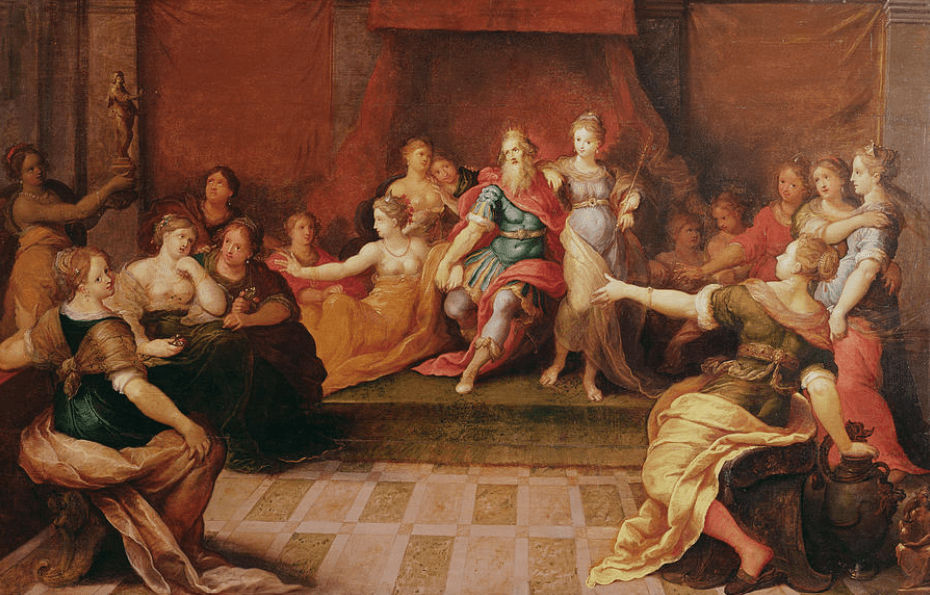
Solomon’s divided heart ended up dividing the kingdom. When Solomon’s son Rehoboam succeeded him on the throne, Rehoboam foolishly followed the advice to increase taxes, causing a revolt. Yahweh, who knows all things, had already selected Jeroboam to lead the revolt. The result was that ten tribes (the Northern kingdom, commonly called Israel) followed Jeroboam, leaving only two tribes (the Southern kingdom, commonly called Judah) to follow Rehoboam. With only a few exceptions, most of the kings in the divided kingdom participated in idolatry and the associated practices of the surrounding communities, earning God’s wrath. These two kingdoms were in continual conflict with each other until each came to an ignominious end.

Reflect

God’s discipline of Israel was a slow process as God was at work carrying out his plans for them. Does it comfort you to know that in all circumstances God is carrying out his will for you?

Observe

Read 2 Kings 12. What should we learn from Rehoboam’s mistake?