
Dancing in the Kingdom- Table of Contents
Dancing In the Kingdom – Part 3 – Dancing in the Kingdom– Chapter 18 – Entering the Dance
Re-envisioning our culture
[Bible references: Isaiah 61:1-11; Ezekiel 16:1-19; 1 Peter 3:1-22]
In Culture Care,[1] Fujimura tries to get us to think holistically, in terms of restoring beauty as a means of invigorating culture so that people can thrive. This “Generative Thinking” looks beyond the resources right in front of us and recognizes the transcendence of God in our midst, which then allows us to think and behave generously and then also allows us to think beyond the immediate future and instead think in terms of generations to come. This contrasts with the attitude that resources are scarce and therefore must be handled in utilitarian and economic ways.
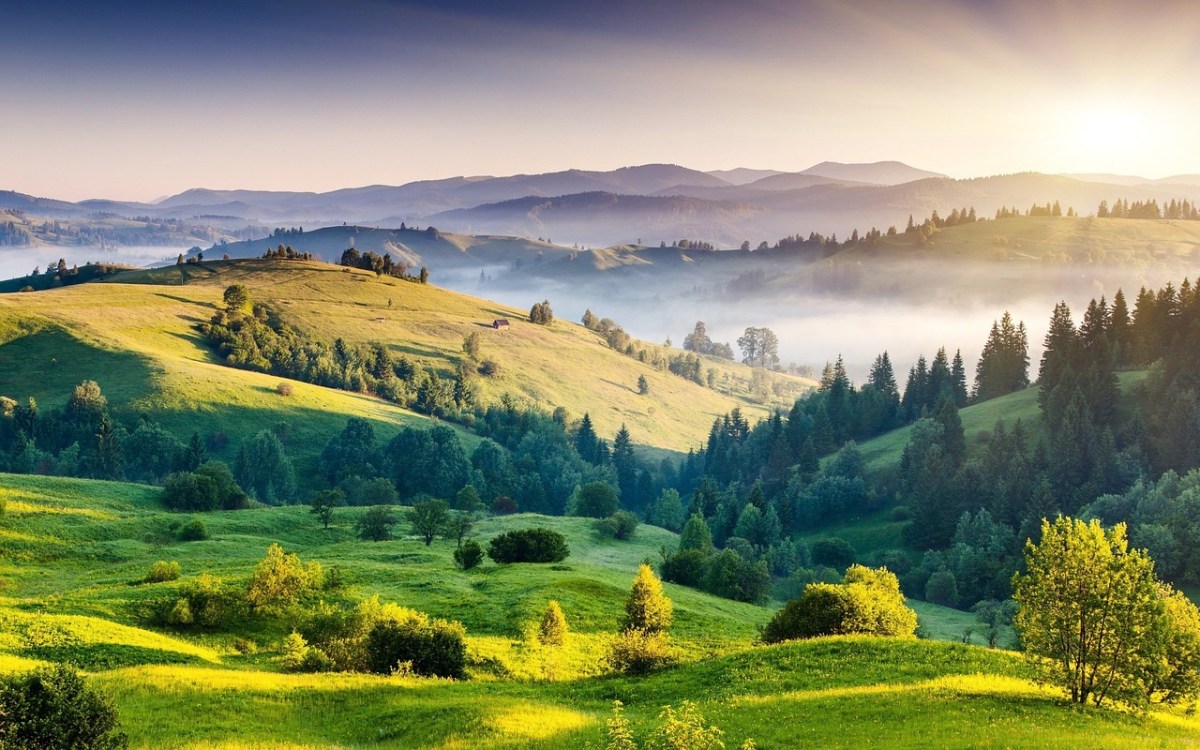
As creatures made in the image of our transcendent God, we have been given the capability to detect that transcendence in the form of beauty. As creatures made in the image of our creator God, we have been given the ability to create beautiful artifacts. Beauty is a characteristic that points beyond creation itself, for beauty has no utilitarian value. The beauty we see around us reflects the generous and gratuitous nature of God who intends that we do more than just survive, but rather to flourish in the abundance of His provision. Even more than that, Beauty is a characteristic that encompasses more than what we can look at or hear, but it is enfolded in the spiritual values of justice and morality.
Although, we all have the capacity to create beauty, there are those people who are called to focus on making works of art. Fujimuraviews those artists as the catalysts, leaders that challenge us to think less colloquially but more imaginatively, to look beyond ourselves and our local groups and rather to look to the whole of society. Artists are positioned to do this, because their dispositions usually place them at the fringes of society where they can serve as “border-walkers”[2] allowing them to at once look at their own social group from the fringes and also to connect to other social groups. Fujimura then challenges the rest of society to create an environment for these artists, these “border-walkers,” to be trained in their roles and to thrive. Part of the challenge is to recognize that, for society to flourish, we need the art economy, which by definition is a non-utilitarian economy. Towards this end, artists should be trained to be effective stewards of their gifts and society needs to learn how to be stewards of the artists, by creating environments for art, and Beauty, to flourish. Fujimura proposes that art can even help us create a healing environment in our current culture wars. Participants in culture wars employ language that reduces the enemy to a caricature. Instead, culture should not be handled as a territory to be won or lost but a resource we are called to steward and cultivate. Artists can become known as “citizen artists” who lead in society with their imagination and their work – creating opportunities for genesis moments in culture – moments in which dialogue can happen, caricatures can be discarded, and deeper concerns can be addressed. But for this to happen, we need vision, courage, and perseverance and a focused effort to pay attention to the care and cultivation of the soul.
[1] Fujimura, Makoto. Culture Care: Reconnecting with beauty for our common life. Intervarsity Press 2014
[2] Also called “mearcstapas” in Beowulf, seventh century
Reflect
We may not all be artists, but we all have some creative capabilities as co-creators with God. We all have the capacity to create beauty: acts of generosity, bringing the life of the Spirit into a spiritually dark place, letting God’s love flow through you to another. How can you bring beauty into the world?
Observe
Read Ezekiel 16:1-19. It is probably not hard to envision the community outside the church as the “adulterous wife.” How can we “clothe” our community?
 Dancing In The Kingdom