Discipline of Worship/Celebration

Dancing in the Kingdom- Table of Contents

Dancing In the Kingdom – Part 3 – Dancing in the Kingdom– Chapter 15 – Reforming our Souls

Discipline of Worship/Celebration

[Bible references: Deuteronomy 12; Isaiah 6:1-13; Matthew 6:25-34; John 4:23-24; Psalm 29; 95:1-7; 102; Romans 12:1-2]

“Authentic worship will impel us to join in the Lamb’s war against demonic powers everywhere—on the personal level, on the social level, on the institutional level. Jesus, the Lamb of God, is our Commander-in-Chief. We receive his orders for service and go …”[1]

 “The pervasive sinfulness of human beings becomes evident when contrasted with the radiant holiness of God. Our fickleness becomes apparent once we see God’s faithfulness. To understand his grace is to understand our guilt” [2]

God does so many things in our lives, and when we build up worship as a spiritual discipline, we learn to identify what He has done and honor him in appropriate ways. The first step it to give glory to God for all things in our lives. When we have privileges, they come from God. When we are bountiful, it comes from God. When we see something beautiful or good, we need to thank God for those things. God shows us His ways through others, and by giving Him the glory, we are worshiping him.

Another way to respond to God is to sacrifice. Sometimes honoring God means giving up things we think we’re enjoying but may not be edifying. We sacrifice our time by volunteering, and we sacrifice our money to help those in need, we sacrifice our ear to those who need us to listen. Sacrifice doesn’t always mean grand gestures. Sometimes it’s small sacrifices that allow us to worship God in our actions.

The spiritual discipline of worship can be beautiful and fun. The obvious form of worship, celebrating together and singing in church, can be a great time. Some people dance. Worshiping God can be both fun and serious. Laughter and celebration are ways to worship God.

As we practice the spiritual discipline of worship, we learn to experience God in His Glory. We easily identify His works in our lives. We seek out our time with God in prayer or conversation. We never feel alone because we always know God is right there with us. Worship is an ongoing experience and connection with God.

Worship is probably the most familiar of the Spiritual Disciplines. What does it mean to practice worship as a Spiritual Discipline? We all worship something; it’s only a question of what it will be. The number one topic of the Bible is our worship of God. The Israelites were constantly getting into trouble because of one thing — idolatry — the worship of something other than God. If we really believe that God is who he says he is then we will worship him, not out of a sense of duty, but because of who he is — then our worship will overflow into all other activities.

The celebration of worship is great when it just flows out of the moment we are in. The discipline of worship is necessary when we don’t feel the overflow but begin by forcing ourselves to begin to worship anyways. It might be that as we begin to worship our spirit will respond in earnestness. But even if our spirit does not seem to respond at the moment, we may continue the discipline because God is worthy despite how we feel.


[1] Foster, Richard. “Celebration of Discipline”  Harper & Row Publishers ©1978 p. 148

[2] Foster, Richard. “Celebration of Discipline”  Harper & Row Publishers ©1978 p. 160

Observe

Read Psalm 95; 102. These two Psalms begin from two different experiences. What do they have in common?
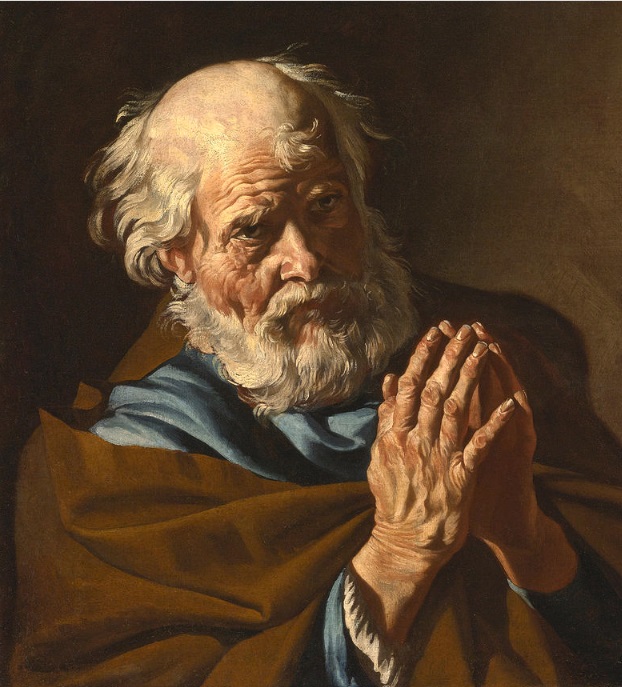
Disciplines of the faith

Dancing in the Kingdom- Table of Contents

Dancing In the Kingdom – Part 2 – The Kingdom Revealed – Chapter 12 – Launching the church

Disciplines of the faith

[Bible references: Joshua 1:8; Psalm 1:1-2; 19:14; 37:7; 40:1; 133:1; Proverbs 1:1-9; Matthew 4:19; 5:8, 14-16; 6:1-18,30-33; 9:1311:29; 12:7,32; 23:12,23; Mark 12:30; Luke 16:13; John 4:22-24; 13:1-17; 17:23; Acts 1:8; 2:42; 10:43; 13:28; 14:23; 26:18; Romans 8:25; 9:15-18; 10:14-18; 12:9-12; 13:1-5; 1 Corinthians 1:9; 13:4; 2 Corinthians 1:12; 9:6-13; 11:2-3; Ephesians 1:10; 4:2-3, 11-14; 5:1-4,21; 6:18; Philippians 1:10; 2:15; 4:4-8; Colossians 4:2-6; 1 Timothy 2:1-2; 4:1-5; 6:6-8; 2 Timothy 2:15; Hebrews 4:1-11; 12:11; 13:4; James 3:17; 4:10; 5:16; 1 Peter 4:10; 1 John 1:3-7,9]

Fruits, whether of the Spirit or of a plant, do not develop without time and nurturing. God’s intentions are clear from His design of Creation, that everything in Creation is designed to operate by built-in processes. The normality and regularity of those processes inspired Christians investigating natural phenomena to develop what we now call the modern scientific method.[1]

In the same way that natural phenomena are subject to natural processes, spiritual phenomena are subject to spiritual processes, and those processes are the normal way God chooses to work through us and grow us into creatures who increasingly resemble Him. It is therefore recognized that the most effective way for Him to work with us is for us to engage in the practice of spiritual disciplines, which are habits that we try to build into our lives which invite God to transform us. When we practice spiritual disciplines, we voluntarily make ourselves available to yield to God and to give Him the opportunity to shape us. The resulting change, our transformation, is His work. The disciplines we practice are merely the means by which we cooperate with him. There are various ways we can categorize these disciplines (inward vs. outward, etc.) although various disciplines are not perfectly one category or another. One way to categorize the disciplines, which is shown below, is to describe disciplines in which we abstain from things (disciplines of abstinence) and those in which we engage with others (disciplines of engagement).

Disciplines of Abstinence:

  • meditation (silence, solitude, journaling)[2]
  • fasting[3]
  • submission (obedience)
  • patience
  • humility
  • Sabbath (rest)
  • purity of heart (chastity)
  • secrecy
  • simplicity

Disciplines of engagement:

  • service
  • confession (self-examination)
  • worship
  • celebration[4]
  • unity
  • forgiveness
  • mercy
  • stewardship (generosity, giving)
  • fellowship
  • evangelism
  • studying the Bible
  • thanksgiving
  • prayer

We should not think of disciplines as processes which deprive us of enjoyment, or which reduce the flourishing that God has intended for us. Rather, the disciplines can make our lives more enjoyable and enhance our flourishing. Because we, like all creatures, are made in a particular way, we will be better off if we stay in the environments for which we are designed. For instance, trains are built to best run when they are on railroad tracks, off the tracks they can hardly operate, but on the tracks, they can operate at their best. In the same way, spiritual disciplines put us in the best environment for us to thrive according to the way we are designed.


[1] Hannam, James. “How Christianity led to the rise of modern science” Christian Research Institute www.equip.org/articles/christianity-led-rise-modern-science

[2] Mathis, David. “Journaling as a path to joy” Desiring God”Desiring God www.desiringgod.org/articles/journal-as-a-pathway-to-joy; Chechowich, Dr. Faye. “Journaling as a Spiritual Discipline” BibleGateway www.biblegateway.com/resources/scripture-engagement/journaling-scripture/spiritual-discipline

[3] Mathis, David “Fasting for Beginners” Desiring God 26 Aug 2015 www.desiringgod.org/articles/fasting-for-beginners

[4] Heath, Elaine. “The Spiritual Discipline of Celebration” Ministry Matters 24 Dec 2019 www.ministrymatters.com/all/entry/9930/the-spiritual-discipline-of-celebration

Reflect

Some disciplines will come easier than others, but they all need to be practiced if we are to flourish in each area. Which area do you need to grow in?

Observe

Read Joshua 1:8; Psalm 1:1-2; 19:14; 37:7; 40:1; 133:1. What are some of the disciplines that mark a life of faith?