
Dancing in the Kingdom- Table of Contents
Dancing In the Kingdom – Part 1 – Shadows of the Kingdom – Chapter 9 – The Prophets and writings
Judgement Unfolds
[Bible references: I Kings 6:12; 2 Kings 17, 25; 2 Chronicles 36:15-16; Jeremiah 25:11-12]
The covenant God made with Israel had the proviso “if you follow my commands.” Israel continually demonstrated its inability to do that[1] and God’s judgment followed. The nation of Israel would suffer the consequences. The first sign of the consequences manifested itself in the splitting of Israel into two kingdoms.
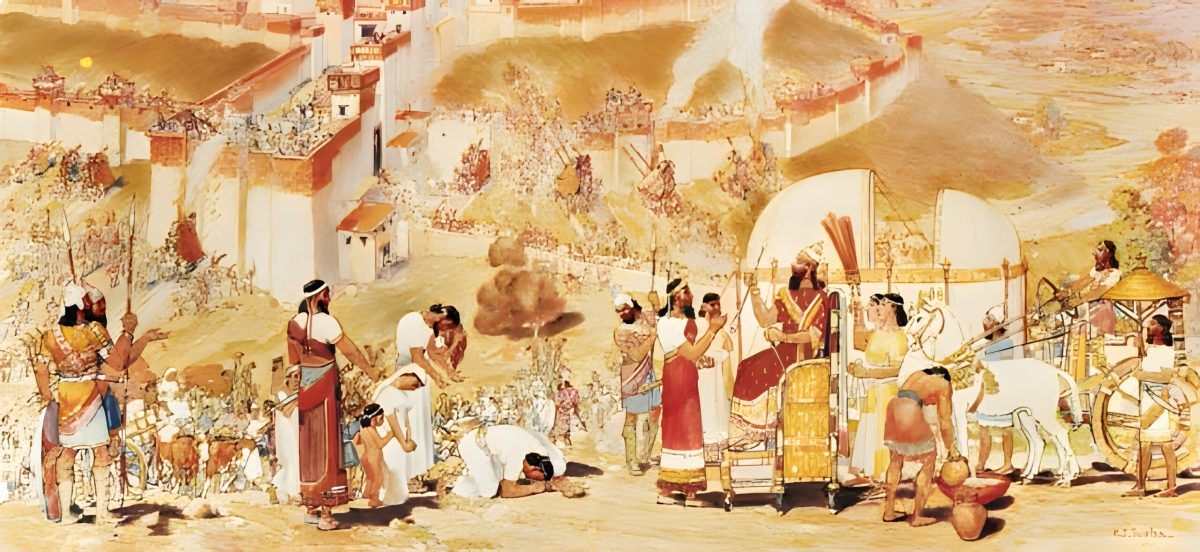
After that, the northern kingdom of Israel was the first to collapse in 722 BC with the invasion of the Assyrians whose policy was to scatter the captured inhabitants throughout their empire and replace them with Assyrians. These northern tribes seem to have been totally assimilated into the Assyrian empire and would not be heard from again in history.
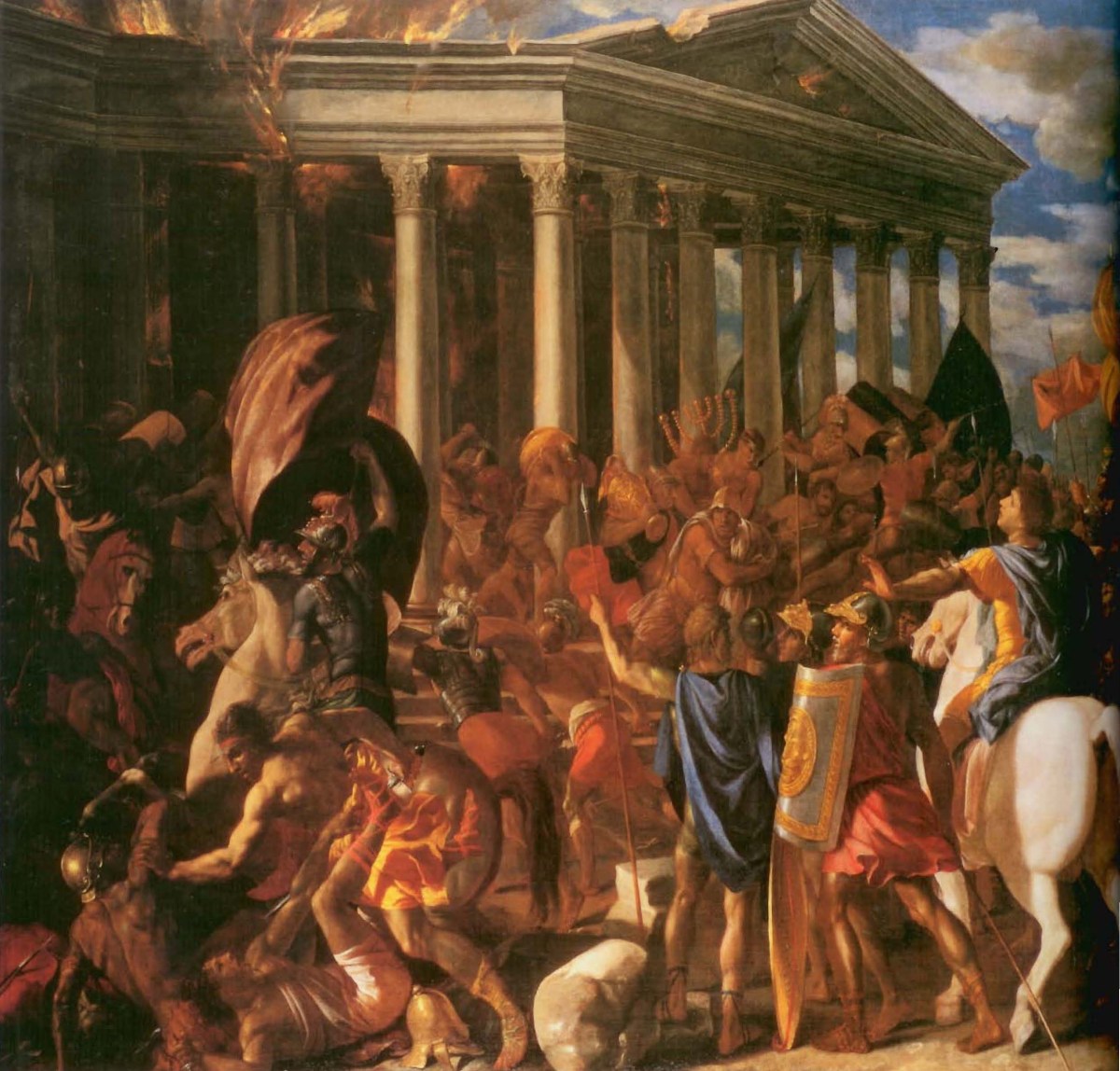
In 586 BC, the Babylonians conquered the southern kingdom of Judah. The best and the brightest of Judah were taken as captives to the capital of Babylonia for “retraining” so that they could contribute to the Babylonian society. It was at this point that the nation of Israel would now be referred to Jews. It was from this point on that, despite the return of some of the Jews to their homeland, most Jews would now be living outside their homeland.
[1] Margalit, Ruth. “In Search of David’s Lost Empire” The New Yorker 22 June 2020 www.newyorker.com/magazine/2020/06/29/in-search-of-king-davids-lost-empire; Syace, A.H. “Polytheism in Primitive Israel” The Jewish Quarterly Review Oct 1889, Vol 2. No. 1 pp.25-26 University of Pennsylvania Press www.jstor.org/stable/1450128; Zevit, Ziony. Review of “The Religions of Ancient Israel: A Parallactic Approach” by Hess, Richard. Vol 5. Denver Journal 2002 denverseminary.edu/the-denver-journal-article/the-religions-of-ancient-israel-a-parallactic-approach/ Israel’s susceptibility to idol worship was so extensive, that archeological evidence indicates continuous polytheism.
Observe
Read Jeremiah 25:11-12. It seemed hopeless. The unfaithful nation of Israel was no more. But promises were made by a faithful God who would eventually restore them. What are God’s promises to us?
 Dancing In The Kingdom