For or against the secular culture

Dancing in the Kingdom- Table of Contents

Dancing In the Kingdom – Part 2 – The Kingdom Revealed– Chapter 10 – The Class of Apparitions

For or against the secular culture

[Bible references: Ezra 6:19-22; 2 Corinthians 6:14-18; Matthew 5:13-16; 28:18-20]

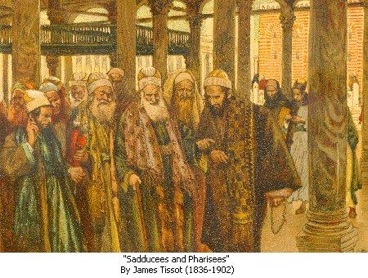
There are many ways people try to hold onto their subculture when they sense that the main culture around them has a corrupting influence.[1] The Sadducees were trying to blend in with the culture of the empire. The Essenes kept themselves as an isolated, communal society.[2] The Pharisees were trying to hold fast to the rules specified by Moses.[3]


[1] Elshtain, Jean Bethke. “With or Against Culture” Books and Culture www.booksandculture.com/articles/2006/sepoct/20.30.html; Niebuhr, Richard M. “Christ and Culture” Harper & Row 1951

[2] Gutierrez, Juan Marcos Bejarano, Forgotten Origins: The Lost Jewish History of Jesus and Early Christianity, Yaron Publishing, 2017 (Location 2343)

[3] Gutierrez, Juan Marcos Bejarano. The Judaisms of Jesus’ Followers: An introduction to Early Christianity in its Jewish Context, Yaron Publishing, 2017 (Locations: 738, 929)

Reflect

Do you try to blend in with the culture or do you try some method of keeping from being absorbed into the culture around you?

Observe

Read Matthew 5:13-16: How can one be “salt” and “light” within our world?

Apocalyptism

Dancing in the Kingdom- Table of Contents

Dancing In the Kingdom – Part 2 – The Kingdom Revealed– Chapter 10 – The Class of Apparitions

Apocalypticism

[Bible references: Matthew 24:1-51; John 14; 2 Peter 3]

In our current age, there have been many groups who have forecast the end of time, and that the end times will be quite dystopian. There are also many who have claimed to be the Messiah.[1] The Essenes[2] were waiting for the Messiah to come and wipe out secular governments. The Zealots, and some Pharisees, were trying to physically push out the Romans and put a new government in place. There were over a dozen apocalyptic texts produced in the Intertestament period[3] and texts continued to be produced in the early centuries. There is widespread disagreement about the various aspects of apocalyptic prophecies, but like all prophecy there are some widely accepted principles.

Predictive prophecies can serve a number of important functions. They can glorify God by testifying to His wisdom and sovereignty over the future. Then can also assure and comfort oppressed believers and motivate people to stronger faith and deeper holiness.[4]


[1] Wikipedia “List of Messiah claimants” Wikipedia en.wikipedia.org/wiki/List_of_messiah_claimants

[2] Johnson, Paul. “History of the Jews” Harper Perennial 1987 (p.123)

[3] NIV Cultural Background Study Bible “Apocalyptic Literature” Zondervan 2016

[4] Virkler, Henry A. “Hermeneutics: Principles and Process of Biblical Interpretation” Baker Books 1981 p. 191

Observe

Read Matthew 24. According to the end of the chapter, why are we to “keep watch” regarding the day our Lord will come?

Effects of wealth and power

Dancing in the Kingdom- Table of Contents

Dancing In the Kingdom – Part 2 – The Kingdom Revealed– Chapter 10 – The Class of Apparitions

Effects of wealth and power

[Bible references: Mark 10:17-31; Luke 1:46-55]

In our current environment, we see a widening gap between the wealthy and the poor.[1] The Sadducees[2] were more identified with the rich and the politically powerful. The Pharisees were more identified with the lower and middle class and thus were more popular.


[1] Gregoire, Carolyn. “How Money Changes the Way You Think and Feel” Greater Good Magazine greatergood.berkeley.edu/article/item/how_money_changes_the_way_you_think_and_feel

[2] Riches, John. “The World of Jesus: First Century Judaism in Crisis” Cambridge University Press, 1990 (pp.59-60)

Reflect

In what ways can money affect how we think?

Observe

Read Luke 1:46-55. What does it mean that the rich are “sent away empty?”

Progressives vs. conservatives

Dancing in the Kingdom- Table of Contents

Dancing In the Kingdom – Part 2 – The Kingdom Revealed– Chapter 10 – The Class of Apparitions

Progressives vs. conservatives

[Bible references: Acts 5:12-18; 1 Corinthians 1:1-17; Ephesians 4:1-6; 1 Peter 3:10-31.  ]

In our current cultural environment, there are (in general simplified terms) the progressives (who may identify as globalists) who tend to be identified with the cities and the conservatives (who may identify as nationalists) who tend to be identified with the rural areas: The first century cities in Israel were more strongly identified with the Greek culture of the empire while the rural areas were more identified with the national Jewish culture.

Observe

Read 1 Corinthians 1:1-17; Ephesians 4:1-6; 1 Peter 3:10-31. Many factors go into our viewpoints which are concerned with preserving what is good and encouraging changes for the better. How should we handle those differences?

Clash of cultures

Dancing in the Kingdom- Table of Contents

Dancing In the Kingdom – Part 2 – The Kingdom Revealed– Chapter 10 – The Class of Apparitions

Clash of cultures

As we can see in the previous section, the Jewish culture in Israel had no less diversity than we do today.[1] Various cultural groups within Israel had their diversity of viewpoints, but as is common today, there were many people who likely could identify with more than one group. In this next section we will look at some of the cultural issues that were present then and are still present today and we will pursue some of these ideas in later chapters.


[1] Gutierrez, Juan Marcos Bejarano. “The Judaisms of Jesus’ Followers: An introduction to Early Christianity in its Jewish Context” Yaron Publishing, 2017 (Locations: 187, 741, 1914, 2560)

Reflect

What are the reasons for some of the cultural tensions today and what are the different ways people handle them?

Zealots

Dancing in the Kingdom- Table of Contents

Dancing In the Kingdom – Part 2 – The Kingdom Revealed– Chapter 10 – The Class of Apparitions

Zealots

[Bible references: Luke 6:15]

The Zealots were also known as Galileans because of the region in which they were concentrated and, also the founder of the group was Judas the Galilean. The Zealots were a messianic group and would only identify God as king. They would not accept any foreign rulers, in this particular case, the Romans.[1] Ideologically, the Zealots agreed on many points with the Pharisees, except for their refusal to accept foreign rulers. The more militant faction of the Zealots was known as the Sicarii (daggers) because of their use of assassination.[2]

One of Jesus’ twelve disciples was identified as Simon the Zealot. As a Zealot, Simon would have been looking for a ruler who would come from God that would displace the Romans. Since Jesus’ message was about the Kingdom of God (or Kingdom of Heaven), that would have been attractive to Simon.


[1] Marcos, Juan, and Gutierrez, Bejarano. “The Judaisms of Jesus’ Followers: An Introduction to Early Christianity in its Jewish Context”. Yaron Publishing, 2017 (Location 863-913)

[2] Mingren, Wu. “The Sicarii: The Jewish Daggermen with a thirst for Roman Blood” Ancient Origins 4 June 2017 www.ancient-origins.net/history-important-events/sicarii-jewish-daggermen-thirst-roman-blood-008179

Observe

Zealots

Read: Luke 9:51-55. Many of the Jews were waiting for a Messiah to free them from the Roman government, because that’s where they thought their problems were. The Zealots had the same hope but were also willing to violently act on that hope. We should probably also note that Jesus’ own followers were willing to call down fire on towns that rejected their message. In a world that is so violent, particularly against Jesus’ followers, why is violence not appropriate?

Scribes

Dancing in the Kingdom- Table of Contents

Dancing In the Kingdom – Part 2 – The Kingdom Revealed– Chapter 10 – The Class of Apparitions

Scribes

[Bible references: Jeremiah 8:8; Matthew 13:52; Mark 12:28-34; 11:27-33]

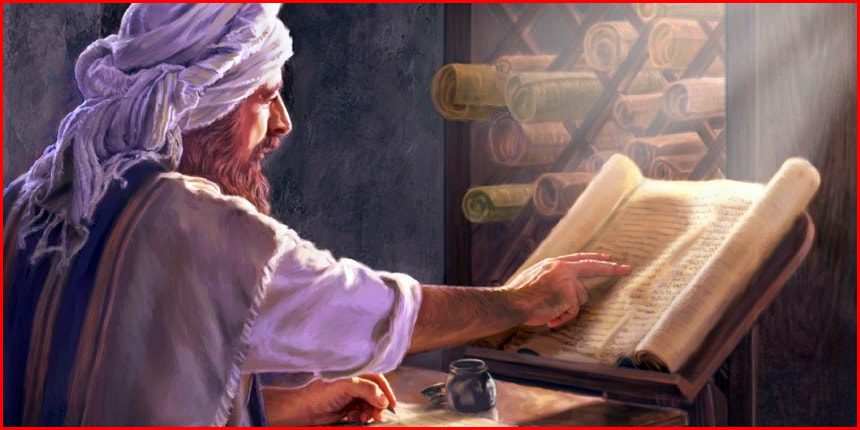
The scribes were trained in writing legal documents, deeds and copying scriptures and, because of their knowledge of scripture, they sometimes acted as interpreters and teachers of the Law. Sometimes they were referred to as lawyers. Although at times they opposed Jesus there were times when they were neutral, or even praised by Jesus.

Observe

Read Matthew 13:52. Who do you look to bring “treasures out of the storeroom” of the Bible?

Sanhedrin

Dancing in the Kingdom- Table of Contents

Dancing In the Kingdom – Part 2 – The Kingdom Revealed– Chapter 10 – The Class of Apparitions

Sanhedrin

[Bible references: Matthew 26:59; John 11:46-57; 18:28-40]

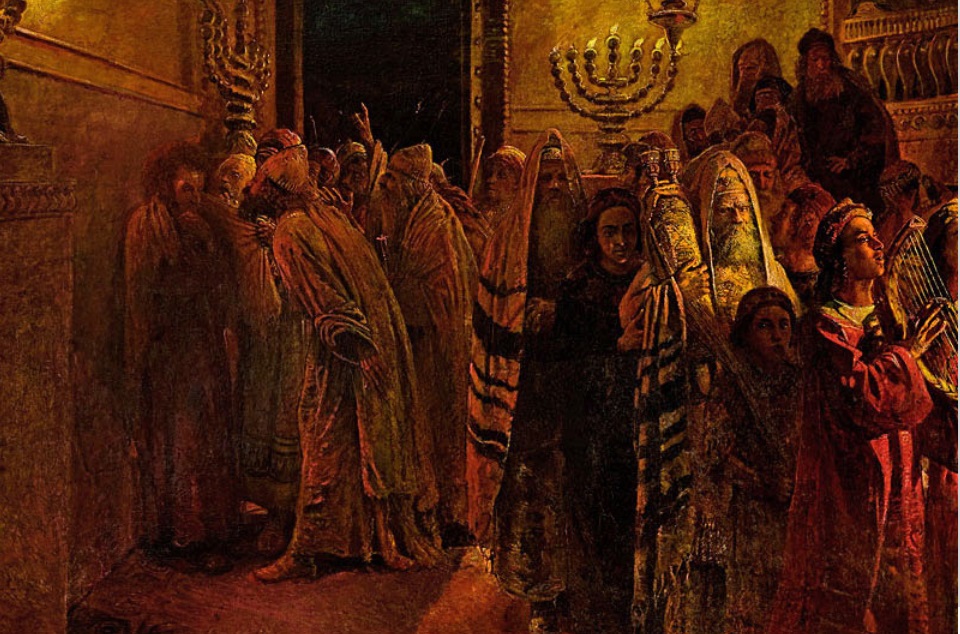
The Sanhedrin served as a religious court for the Jewish nation. The beginnings can be traced to the seventy leaders that Moses selected to help him lead the Israelites. This council eventually developed into Great Sanhedrin who ruled over all the Jews with the Lesser Sanhedrin, councils of twenty-three judges, who ruled over the individual towns. The last Sanhedrin met in AD 358 when it was dissolved by the Byzantine emperor. There have been various attempts to restart it since the 1530’s but they have not been successful.

In Jesus’ time, the Sanhedrin served as a religious court while the Romans established civil laws. When Jesus was teaching in the temple courts, the Sanhedrin met to determine what to do with Jesus and made plans to arrest Jesus. It was also the Sanhedrin guards who initially arrested Jesus in the Garden of Gethsemane and brought him before the Sanhedrin for what turned out to be a mock trial. The Sanhedrin wished to put Jesus to death, but they had no authority to do that, so they sent Jesus to Pilate, the governor installed by the Romans, who was the one who ultimately authorized Jesus’ crucifixion.

Observe

Read John 18:28-40. Jesus constantly taught that his kingdom was not of this world, but he was seen as a threat by secular and religious authorities: first by King Herod and then by the Sanhedrin. Why do you think that is?

Samaritans

Dancing in the Kingdom- Table of Contents

Dancing In the Kingdom – Part 2 – The Kingdom Revealed– Chapter 10 – The Class of Apparitions

Samaritans

[Bible references: Matthew 10:5; Luke 9:51-55; 10:25-37; 17:11-19; 10:25-37; John 4:1-43]

King Omri made the city of Samaria the capital of the Northern Kingdom in the 9th century BC. The Assyrians conquered most of the Northern Kingdom in 722 BC and forced most people of the Northern into exile, never to be heard from again in history – and at the same time, Assyria repopulated the area with its own people who then intermarried with the remaining Israelites. Considered to be impure because of their intermarriage with the Assyrians, the Samaritans[1] were rejected as foreigners by the Jews returning from captivity in Babylon. This isolated the Samaritans who wanted to cling to the teachings of Moses but then consequently rejecting the further developments in the writings of the Jews and then developing their own customs, even claiming that their priests were the true descendants of the Levitical priesthood.

In response to being rejected by the main body of the Jews, around 400 BC the Samaritans built their own temple on Mount Gerizim near Shechem, the place where the tabernacle was placed after Israel entered the Promised Land. The Samaritans consider only the Torah, the five books of Moses, to be scripture, rejecting the writings or the prophets and others that the Pharisees incorporated into their scripture. Because of their close-knit community and their isolation, there is still a small community of Samaritans in existence today worshipping on Mt Gerizim.[2]

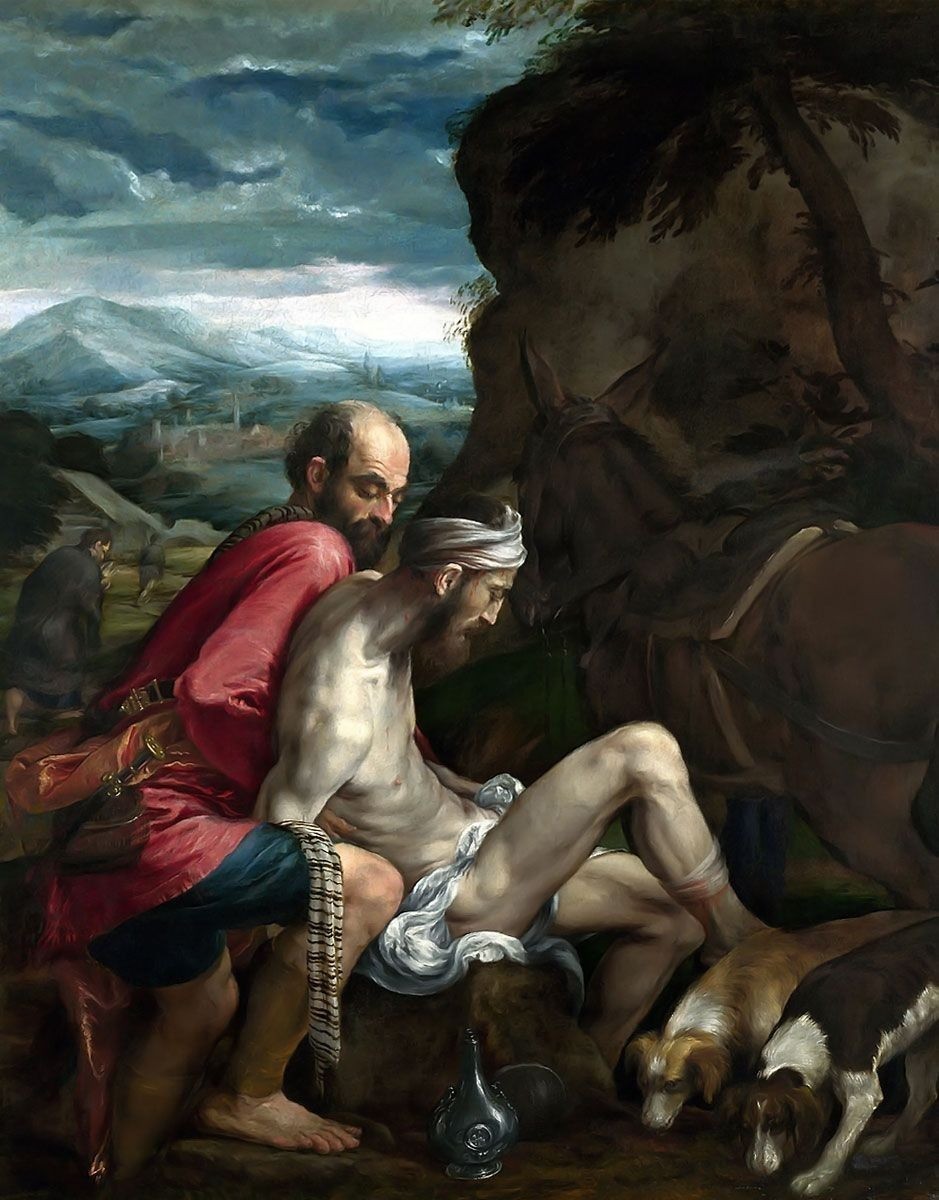
Although Jesus specified that he was sent ‘only to the lost sheep of Israel,’ he did interact a few times with others, Samaritans, and Gentiles. Samaritans and Jews normally avoided each other as they looked down on each other. When Jesus sent out the twelve apostles on an outreach mission, he specifically told them to avoid the Jews and Gentiles. Near the end of his earthly ministry as headed from Galilee, through Samaria to Jerusalem, Samaritans rebuffed his messengers. And yet on one trip from Jerusalem to Galilee he had an encounter with a Samaritan woman who was trying to draw water in the middle of the day and ended up spending two days in town. Another time the barrier also seemed to disappear when Jesus healed ten lepers and only the Samaritan leper came back to thank Jesus. When speaking to a Jewish lawyer who was trying to justify himself, Jesus shared a parable about loving neighbors and chose to show that it was a Samaritan who demonstrated love of neighbor.


[1] Riches, John. “The Word of Jesus: First -century Judaism in crisis” Chapter 1. The Political, Economic, Social, and Cultural Context of First-Century Palestinian Judaism Cambridge University Press, 1990 (p.17-18); NIV Cultural Backgrounds Study Bible eBook “Samaria and Samaritans” Zondervan 2016 (loc. 239865)

[2] UNESCO World Heritage Convention. “Mount Gerizim and the Samaritans” whc.unesco.org/en/tentativelists/5706

Reflect

How do you express love toward your neighbor?

Observe

Read John 4:1-43. What are the surprising things in this story?

Sadducees

Dancing in the Kingdom- Table of Contents

Dancing In the Kingdom – Part 2 – The Kingdom Revealed– Chapter 10 – The Class of Apparitions

Sadducees

[Bible references: 2 Samuel 8:15-18; Ezra 7; Matthew 3:7; 16:1-11; 22:23-34; Mark 12:18; Luke 20:27; Acts 4:1; 5:17; 23:6-8]

The Sadducees were priests who based their legitimacy on their descendance from Zadok, a priest who lived at the time of King David. It was the Zadokite line of priests that emigrated back to Jerusalem when Persians allowed the Israelites to return from captivity. They were intent on holding onto their power which came through the ministry of the temple. Like the Samaritans, the Sadducees regard only the writings of Moses to be scripture and they interpreted them very literally.

The corrupting influence of power caused them to cooperate with the Greeks when Israel became a client kingdom of the Greek empire. Although Pharisees were also in the Sanhedrin, the Sadducees became the prominent group controlling the Sanhedrin notably during the Greek and Roman occupation.

Because the Sadducees only included the books of Moses in the scripture, they did not develop any beliefs in the resurrection, which caused conflicts with both with Jesus and the Pharisees. The interactions that are recorded are all confrontational. There is an obvious tension between Jesus and the Sadducees. Jesus came to undergo death and resurrection and to eliminate the need for continual temple sacrifices, but the Sadducees did not believe in resurrection and their status was dependent on the continuation of the temple sacrifices. In contrast to the poor and needy ‘lost sheep of Israel,’ the Sadducees were the rich upper class. The Sadducees disappeared from history upon the destruction of the temple by the Romans in AD 70.

Observe

Read Matthew 16:5-11. What is the yeast of the Sadducees?

Pharisees

Dancing in the Kingdom- Table of Contents

Dancing In the Kingdom – Part 2 – The Kingdom Revealed– Chapter 10 – The Class of Apparitions

Pharisees

[Bible references: Matthew 5:20; Luke 13:31’ John 3:1-15]

The Pharisees developed out of the scribes who were copying the writings of Moses and, in doing so, were concerned with knowledge of the law, as well the writing of the prophets who came after Moses and the traditions of elders (rabbis). They were also concerned with how to interpret the law to make applicable to everyday life and there were many teachers of the law who wrote commentaries on the law, and the Pharisees also studied these commentaries. The people identified as rabbis came from this group.

The Pharisees became more identified with the everyday people, as opposed to the Sadducees who were identified with the wealthy ruling class. It is not known exactly when the Pharisees were identified as a group but may have happened as their opposition to the teachings of the Sadducees developed.

Jesus had a lot of interactions with the Pharisees. Most of what is recorded in scripture is confrontational, but the dynamics were more nuanced and could be misunderstood. By the times of Jesus, there were two main schools of rabbinic thought: the rigorist school of thought, led by Shammai the Elder, insisted on getting every detail right, particularly in the area of cleanliness, and was beyond the possibility of normal Jews to live out; the humanist school of thought, led by Hillel, was more intent on getting the spirit of the law right and was therefore within the realm of normal Jews.[1]

Another nuance had to do with the normal culture of conflict within Judaism (after all, ‘Israel’ means ‘wrestles with God’). It would have been normal for the scribes and Pharisees to question this new teacher, Jesus, and test his knowledge to see if he knew what he was talking about, although there may be a question about their motives – was the testing done to gain understanding or was the testing done to try to discredit Jesus. We shouldn’t forget the time that some Pharisees warned Jesus about Herod’s plot to kill him.


[1] Johnson, Paul. “A History of the Jews” Harper Perennial 1987 (p 127)

Observe

Read John 3:1-15. A closer reading of scripture shows that Jesus did not just have a confrontational relationship with the Pharisees but had a more nuanced relationship. This can be particularly seen with Jesus’ interaction with Nicodemus. Describe the type of interaction between Nicodemus and Jesus.

Lost Sheep of Israel

Dancing in the Kingdom- Table of Contents

Dancing In the Kingdom – Part 2 – The Kingdom Revealed– Chapter 10 – The Class of Apparitions

Lost Sheep of Israel

[Bible references: Matthew 9:10-13; 10:5-6; 15:21-28; Mark 2:15-17]

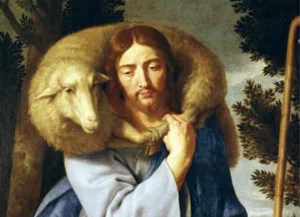
In the Old Testament, the term ‘lost sheep’ initially referred to all of Israel. After the division of the kingdom, the term ‘lost sheep’ referred to the northern tribes of Israel. In the New Testament, Jesus uses the term, ‘lost sheep of Israel,’ to distinguish the people to whom his ministry would focus on. When Jesus used the term ‘lost sheep of Israel’ it is to specify that Jesus only intended, at that time, to serve the Jews in Israel, not to the Gentiles, not to the Samaritans and not to Jews that are in other countries.

Jesus’ ministry focused his efforts on the ‘lost sheep of Israel.’ The ‘lost sheep’ were people who knew they needed help, needed to be rescued from their situation and were aware of their need for healing, wholeness, and love. They were the sinners, tax-collectors, harlots, and backslidden. They found in Jesus one who loved them and did not reject them when they acknowledged their needs.

Reflect

The “lost sheep” in this case does not mean their location was unknown but that they didn’t where they were going, they did not have shepherds who knew where to lead them. Where is your life headed?

Observe

Read Matthew 9:10-13; 10:5-6. How are the “lost sheep” described?

Herodians

Dancing in the Kingdom- Table of Contents

Dancing In the Kingdom – Part 2 – The Kingdom Revealed– Chapter 10 – The Class of Apparitions

Herodians

[Bible references: Matthew 22:16; Mark 3:6; 8:15; 12:13]

The Herodians were a political party who were openly supportive of King Herod and therefore opposed to all who were considered enemies of Herod, including Jesus. To that end they associated with the Sadducees in their support of King Herod. However, they were known to have joined forces with the Pharisees in trying to entrap Jesus.

Observe

Read Mark 8:1-27. What was Jesus referring to when He warned His disciples to avoid the leaven of Herod?

Gentiles

Dancing in the Kingdom- Table of Contents

Dancing In the Kingdom – Part 2 – The Kingdom Revealed– Chapter 10 – The Class of Apparitions

Gentiles

[Bible references: Matthew 4:15; 8:5-13; 15:21-28; Luke 6:17-19]

The term, Gentile. refers to anyone who is not Jewish. When we think of Jesus’ interactions with the Gentiles, we primarily think of their role during Jesus’ trial and execution, but there were a couple of instances of Gentiles displaying great faith. Jesus had high praise for the faith of a Roman centurion when the centurion trusted the Jesus to heal his servant while Jesus was still a distance away from the servant. In another case, a Canaanite woman persisted in seeking Jesus’ healing for her demon oppressed daughter. Even though Jesus’ reminded her of his mission to ‘the lost sheep of Israel’ she still pressed the issue by insisting that even dogs eat the crumbs from the master’s table. Additionally, many Gentiles came with all the Jews to listen to Jesus and to be healed.

Observe

Read Matthew 15:24. Jesus proclaimed that he was only sent to the “lost sheep of Israel”. How does Jesus’ interaction with the Gentiles fit with that?

Essenes

Dancing in the Kingdom- Table of Contents

Dancing In the Kingdom – Part 2 – The Kingdom Revealed– Chapter 10 – The Class of Apparitions

Essenes

[Bible references: Leviticus 11; 15:31; Ezra 10:11]

And when they prepare the table to dine or the new wine for drinking, the priest shall stretch out his hand as the first to bless the first fruits of the bread {or the new wine for drinking, the priest shall stretch out his hand as the first to bless the first fruits of the bread} and of the new wine. [1]

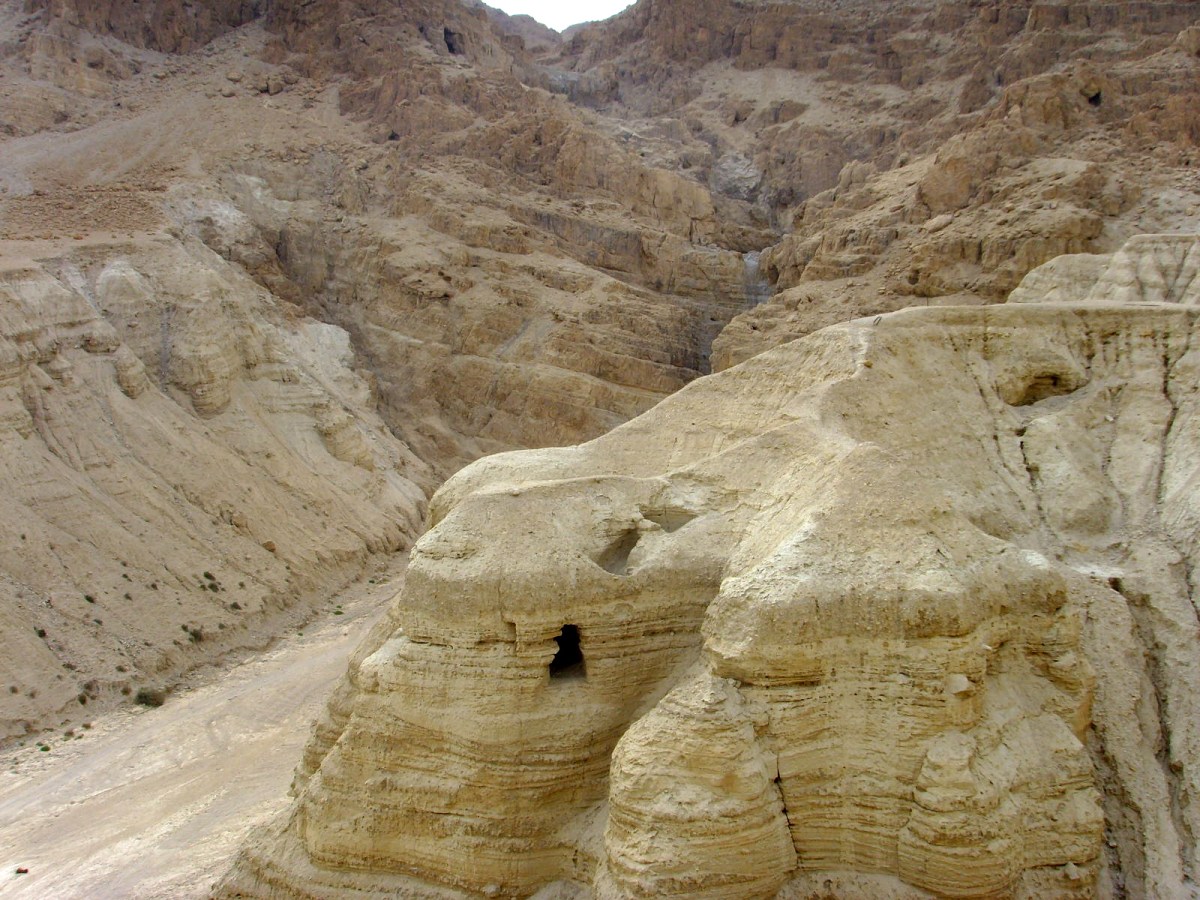
The origin of the Essenes[2] is somewhat mysterious and was largely unknown until the discovery of the Dead Sea Scrolls[3]. The Essenes were a sect that isolated themselves in the desert and maintained minimal contact with outsiders. They are possibly an offshoot of the “Hasideans” (aka “the pious ones”), mentioned in 1 Maccabees. They considered the temple and its practices to be corrupted and considered themselves to be the ‘chosen ones’ who would be saved at the end times. They lived communally and celibately and had a 3-year probationary process before accepting new members. There are unproven speculations that John the Baptist and Jesus were affiliated with the Essenes.

Although there is no direct evidence of Jesus interacting with the Essenes, the criticisms that Jesus raised against the Pharisees were similar to the criticisms that the Essenes had. Later on, as we examine the practices of the early church, we will also see parallels to the Essenes. Jesus’ followers and the Essenes anticipated an eschatological restoration of Israel, and both groups also believed in the necessity of national purification.


[1]  Martinez, Florentino Garcia. “The Dead Sea Scrolls Translated,” Community Rule 1QS Column 6:4-6 (p79)

[2] Riches, John. “The World of Jesus: First Century Judaism in Crisis,” Cambridge University Press, 1990; Gutierrez, Juan Marcos Bejarano. “The Judaisms of Jesus’ Followers” Yaron Publishing, 2017; Gutierrez, Juan Marcos Bejarano. “Forgotten Origins” Yaron Publishing, 2017; Crossan, John Dominic. “The Birth of Christianity” HarperSanFrancisco 1999; NIV Cultural Backgrounds Study Bible, Zondervan 2016 Kindle book (locations 214907, 22713); NIV First-Century Study Bible, Biblica 1973 Kindle book (Location: 91578)

[3][3] The Dead Sea Scrolls are considered by many to be the most significant archaeological find of the 20th century. From 1947 to 1956, thousands of scroll fragments were uncovered from the caves near Qumran, located on the northwestern shore of the Dead Sea. (Biblical Archaeology Society, “What are the Dead Sea Scrolls”  www.biblicalarchaeology.org/daily/biblical-artifacts/dead-sea-scrolls/what_are_the_dead_sea_scrolls.

Observe

Read Leviticus 11; 15:31; Ezra 10:11. The Israelites could not follow all the laws concerning cleanliness without keeping some degree of separation from cultures around them. But it seems that the Israelites kept getting drawn away from following Yahweh. What temptations draw Christians away from following Yahweh?

Clash of sects

Dancing in the Kingdom- Table of Contents

Dancing In the Kingdom – Part 2 – The Kingdom Revealed– Chapter 10 – The Class of Apparitions

Clash of sects

[Bible references: John 2:18]

By the time Jesus entered history, several different types of groups had emerged among the Jews. When groups clash, the victors of those conflicts are the ones that write and preserve their own version of history and may also destroy any records of their enemies, there tends not to be much material about non-victor groups that survives for us to look at. Even so, there is some amount of evidence available for us to examine their views. Many of the views held by the Jewish sects will be seen again within Christian sects and even within groups today.

Observe

Read John 11:8-36. What kinds of things can we do to make people notice how much you love?

Clash of empires

Dancing in the Kingdom- Table of Contents

Dancing In the Kingdom – Part 2 – The Kingdom Revealed– Chapter 10 – The Class of Apparitions

Clash of empires

[Bible references: Daniel 11]

The Promised Land was on a tract of land that served as a trade route between Africa, Asia and Europe and so was much desired by empires that emerged in that area of the world.

  • ASSYRIAN EMPIRE:  The Northern 10 tribes were conquered by the Assyrians (722 BC). Most of the Northern tribes were scattered throughout the Assyrian empire never to be heard from again in history, but some of the poorest were left behind. The Assyrians then brought in some of their own tribes to rule the area, diluting the culture of the conquered tribes when the remaining Israelites intermarried with the Assyrians.
  • BABYLONIAN EMPIRE: The Babylonian Empire then overtook the Assyrian empire and then conquered the Southern two tribes, Judah, and Benjamin, and in a couple of waves, took the best and brightest of those tribes into captivity in 605 BC and then in 586 BC. It was at this time that the Israelites, now predominately from the tribe of Judah, were called Jews.
  • PERSIAN EMPIRE: In 537 BC, the Persian empire then overtook the Babylonian empire and allowed the exiled Jews to return. After being settled in for many years, only of the Jews returned to the “Promised Land.” Most of the Jews decided to stay in Babylonia. So ever since the time of captivity, the majority of Jews have lived outside their homeland.
    • The Jews who returned from Babylon rejected the Samaritan Jews because the Samaritan Jews intermarried with foreigners.
    • The temple, now called the second temple, was rebuilt between 586-515 BC. The second temple was not built in as grand a fashion as the temple Solomon built. Neither did the Glory of the Lord enter the second temple as it did in the Tabernacle or in Solomon’s temple.
    • In 430 BC Nehemiah and Malachi were the last books written for the Hebrew scriptures.
  • GREEK EMPIRE:[1] The Greeks, under Alexander the Great, start their empire building in 336 BC, capturing Israel in 332 BC. Alexander tried to export the Greek language and culture[2] onto conquered territories. When Alexander died in 323 BC the Greek empire was split up under four of his generals. Israel is caught in a tug-of-war between two of the generals:
    • PTOLEMAIC EMPIRE: Ptolemy in Egypt first ruled over the Jews in 308 BC. The Ptolemaic kings, who had a great library in Egypt, added to it by commissioning a translation of the Hebrew texts (including Hebrew scriptures) in Greek– this translation, done around 250 BC is known as the Septuagint.[3]
    • SELUCID EMPIRE: In 195 BC, Seleucus ruled over Israel. When the Seleucids ruled over the Jews, they began a campaign to force the Greek culture onto the Jews and consequently trying to eliminate the Jewish culture. This eventually escalated onto desecrating the Jewish temple and then trying to force the Jewish leaders to participate by slaughtering pigs on the altar.
  • HASMONEAN KINGDOM: The effort by the Seleucids to eliminate the Jewish culture caused a rebellion in 166 BC begun by Mattathias the Hasmonean when he killed the Jew who was going to perform the sacrifice and then killed the official directing the sacrifice. Mattathias then fled into the wilderness with his family and began a rebellion which in 142 BC succeeded in overcoming the Seleucids and establishing an independent Jewish kingdom.
  • ROMAN EMPIRE: General Pompey captured Jerusalem in 63 BC. The Roman Empire continued to use Greek as the international language but did allow local cultures to persist as long as they did not oppose Roman rule.
    • The Hasmoneans were originally allowed to rule under the protection of Rome.
    • The Hasmonean dynasty ended when King Herod (the Great) was installed in 40 BC. Herod began many building projects including the rebuilding of the Temple, which began to be built in 18 BC and was not completed until after the reign of Herod the Great in AD 63

[1] Guzik, David. “Daniel 11 – Antiochus and Antichrist revisited” Enduring Word enduringword.com/bible-commentary/daniel-11; Truth According to Scripture. “Coffman’s Commentaries on the Bible, Daniel 11” Truth According to Scripture www.truthaccordingtoscripture.com/commentaries/bcc/daniel-11.php#.ZApRkkPMI2w

[2] It may surprise you that Greeks don’t call themselves “Greek”. Instead Greeks refer to themselves as “Έλληνες”— Hellenes. The word “Greek” comes from the Latin “Graeci”, and through Roman influence has become the common root of the word for Greek people and culture in most languages…. “Hellenism”, however, is something bigger. From ancient times, the language, culture, and values of the Hellenes has significantly impacted the world. Throughout history non-Hellenic people have adopted and assimilated the values and aesthetics of the Hellenes. Through this contact, the culture of the Hellenes has not only transformed other cultures, but has been transformed itself. This relationship is Hellenism. In fact, an openness to new ideas and embracing beauty and truth wherever you find it are fundamental features of Hellenism (National Hellenic Museum “What is Hellenism” )

[3] Reeves, Ryan, “What is the Septuagint?” ?”  The Gospel Coalition August 12, 2018, thegospelcoalition.org/blogs/ryan-reeves/what-is-the-septuagint

Observe

Read Daniel 11. This so accurately reflects the actual history of the Persian, Greek and Roman empires that many think it must have been written after the events occurred. But in fact, the book of Daniel was translated into the Greek version of the Bible, the Septuagint, 200 years before Christ.

Proxy wars

Dancing in the Kingdom- Table of Contents

Dancing In the Kingdom – Part 2 – The Kingdom Revealed– Chapter 10 – The Class of Apparitions

Proxy wars

[Bible references: 2 Kings 17:1-6; 25:1-21; Jeremiah 1:14-16; Daniel 1:1-6; Ezra 1:1-4; 6:12; Ephesians 6:10-20]

Since the time of Adam and Eve a war has been underway. God’s Kingdom has found itself in a war with Kingdom of darkness, battling over the souls of God’s image-bearers. We cannot directly see the clash of spiritual kingdoms, but we see it indirectly, sometimes in clashes between image-bearers and sometimes within ourselves. The apostle Paul reminds us, though, that our struggle is not against “flesh and blood” but rather the “spiritual forces of evil.”

Even so, the spiritual war is played out in the human realm where we brokenly pursue love apart from God, hoping to find love somewhere else, whether in power, traditions, possessions, other people, etc. We then find that when we look for love other places than God, we are then confronted by fears which inevitably result in clashes, especially in times of change.

A great time of change was about to occur as the time approached for Jesus’ incarnation. There were clashes between empires that overran the Promised Land, clashes between groups of people in that land, and clashes of values between and within those groups.

As the time of Jesus’ incarnation approached, the residents of the Promised Land, begin to speak Aramaic instead of the Bible’s language of Hebrew. When the Greek empire moved in it tried to supplant all the local languages and cultures, resulting in an effort to the translate all the Hebrew writings into Greek, producing among many things, the Greek version of the Hebrew scripture called the Septuagint. The Septuagint became a major reference not only for the non-Hebrew speaking Jews but also for the church, particularly as the church became more Gentile. This change accelerated the loss of the Hebrew understandings of Scripture.

When the Roman empire overtook the Greek Empire, it initially allowed the use of Greek as the international language but would set up a clash later when the empire would replace Greek with Latin as its preferred language. The changes in languages and cultures became part of the clash over which writings should be considered as part of what will be called the Old Testament scriptures.

The Greek Church maintained the use of the Septuagint as it’s Old Testament, while the Latin speaking Roman-Catholic Church used only parts of the Septuagint. Later on, the Protestants rejected the Septuagint and only used the Hebrew writings that were approved by Jews in the early centuries A.D.[1]

The books used by the Roman Catholic and Orthodox Churches but not used by the Protestants are sometimes referred to as the Apocrypha (hidden) or the Deuterocanonical (second canon) books. Although the Protestants may disagree about whether those books are inspired, there is useful information in those books that help explain the culture of the world that Jesus was born into.


[1] Nelson, Ryan. “What is the Masoretic Text? The Beginner’s Guide” The Beginner’s Guide to the Bible overviewbible.com/Masoretic-text

Observe

Read Ephesians 6:10-20. What difference does it make if you are aware that the conflicts present in the world around us are manifestations of spiritual warfare?

Looking back – signs and shadows of the kingdom

Dancing in the Kingdom – Table of contents

Part 2 – The kingdom revealed, Chapter 10 – The kingdom enters – hope revealed, unleashing shalom

[Bible references: Genesis 6:5-7; Exodus 25:17-22; Leviticus 16; Joshua 24:19; 2 Kings 17:6; 2 Chronicles 36:17-24; Ezra 1-2; Psalm 14:2; 53:6; Isaiah 43; Jeremiah 29:10; 31:31-39; Matthew 4:12-17; Romans 7:7-24; 8:20-22; Colossians 2:16-17; Hebrews 8:5; 10:1, 5-10; Revelation 21-22]

In the beginning, God created a good earth. Within that good earth, Yahweh created a special place, the Garden of Eden, where he could meet and live with the creatures that bore his image. The Garden was a place where the heaven and earth overlapped, a place where the goodness of Yahweh overflowed, a place of shalom, a place where his image-bearers were intended to thrive and develop as co-creators with Yahweh and ultimately create a civilization that would cover all the earth to the glory of God.

Perhaps the most fitting symbol of the development of creation from the primordial past to the eschatological future is the fact that the Bible begins with a garden and ends with a city – a city filled with “the glory and the honor of the nations.[1]

However, the image-bearers put Yahweh’s authority to the side and rebelled against him. The rebellion disrupted the union of the Yahweh’s kingdom with his creatures and all of creation was put into disorder. Human space and Yahweh’s space were separated and all of creation was damaged, including not only the relations between Yahweh and his image-bearers but between the image-bearers themselves.

In the Bible, the themes of heaven and earth can be thought of as heaven being God’s space and the earth being the human space. It may be helpful to think of them as different dimensions that overlap. In this case, the Garden of Eden was where the two spaces overlapped, and God and man could dwell together. In the garden the humans were to be partners with God taking care of this garden, however they decided to do things their own way rather than God’s. This resulted in the humans being ejected from the space where heaven and earth overlapped, and the remaining story of the Bible is about how God is once again going to bring heaven and earth back together.[2]

The image-bearers found themselves in an increasingly vicious cycle of violence and corruption which was so thorough that God needed to restart his project and caused a great flood. Fortunately, out of his deep love for his rebellious image-bearers, Yahweh had a solution in mind, a plan to reunite heaven and earth, extending his kingdom over all the earth.

Yahweh set processes in place that led to Abraham and Sarah, continued through to the other patriarchs, and then continued with the nation of Israel. Under Moses’ leadership and with the guidance of the Holy Spirit, the tabernacle was constructed to be the place where heaven and earth would overlap within the Holy of Holies. The temple was decorated and designed to make people feel like they were going back to the garden.

The difficulty was that God’s space is perfect, pure, just, and holy but the human space is full of sin and corruption. This problem was somewhat resolved through the sacrifice of animals, where the animal absorbed the sin of the people and died in their place, creating a clean space, but that clean space was limited. Within the Holy of Holies, the mercy seat on the ark was where God’s presence would be but could only be accessed once a year by the high priest.

However, the tabernacle with all its rituals were designed to only be a shadow of things in heaven and a shadow of the things that were coming. Yahweh’s relationship with his image-bearers were to be ultimately restored and all of earth would be joined with Yahweh’s kingdom in heaven as was intended from the beginning.

In the meanwhile, in those shadows of the coming kingdom, Yahweh worked within the nation of Israel, his chosen people, to gradually reveal signs of his intended restoration. Within those shadows, the people of Israel could see the futility of their own efforts to reconcile with Yahweh despite their denial of the reality of Joshua’s words, “You are not able to serve Yahweh.” Within those shadows, the nation of Israel would rebel against the kingship of Yahweh, rejecting his reign and insisting on creating their own kingdom, like “all the other nations.”

The nation was reminded time after time that the law was good, but they were not, that their continual animal sacrifices were never a permanent solution to reconciling with Yahweh, that they needed a redeemer, they needed a change of heart. Prophets were raised up to warn the people of the consequences of their continual rebellion, but they also delivered messages of hope that, despite their rebellion, God would restore his people to himself.

Then the promised judgement for their rebellion came: Most of the nation was lost to history as ten tribes of Israel were scattered through the Assyrian empire, and then the temple was destroyed, and a remnant of the remaining tribes were sent into exile in Babylon. If there was any hope that the ritual sacrifices at the temple could reconcile the people with Yahweh, now even that possibility was taken away. The restoration of their own kingdom seemed to be in doubt, never mind the kingdom of Yahweh.

However, the exile was promised to be temporary. After 70 years, the exiled nation had the opportunity to return to the Promised Land and rebuild the temple. Once the temple was rebuilt it was now possible for the temple worship to continue and even for their government to be restarted, although it would be under the auspices of a foreign nation. Yet in all that happened, one thing had not changed; the hearts of the image-bearers had not changed. There was still a need for a redeemer. Yahweh left clues through the prophets and the writings of his people about what to look for in the redeemer – but after Malachi, the last prophet that Yahweh would speak through, there would be a wait of four hundred years.


109 Wolters, Albert M. Creation Regained: Biblical Basics for a Reformational Worldview (Kindle Locations 581-583)

[2] Bible Project “Heaven and Earth”

Reflect

God works his plans out in his own time but the processes that he uses take place in our time: Animals and plants grow from seed to mature adult according to biological processes. We grow from child to adult according to normal biological, psychological, and sociological processes. Civilizations mature according to normal technological, psychological, and sociological processes. God was going to send the long-awaited Messiah after certain events occurred. What do you have a hard time waiting for?

Observe

Read Matthew 4:12-17; Colossians 2:16-17. The Old Testament laws, sacrifices and rituals were shadows of what?