Paradise and resurrection

Dancing in the Kingdom- Table of Contents

Dancing In the Kingdom – Part 2 – The Kingdom Revealed – Chapter 11 – The Kingdom Enters

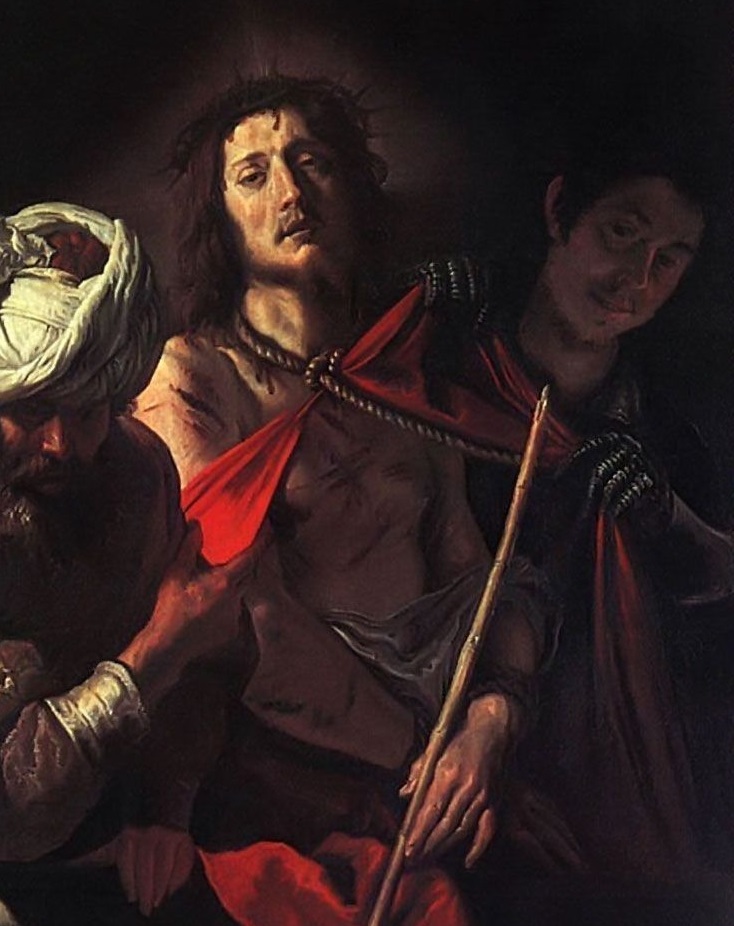
Paradise and Resurrection

[Bible references: Matthew 27:45-53; Luke 23:42-44; John 20; 1 Corinthians 15; 2 Corinthians 12:3-5; Revelation 2:6-8; 21:1-27; 22:1-5]

His final words were, “It is finished.” Later that day, the other criminals also died, and the confessed criminal joined Jesus in paradise (heaven), the place where God resided.[1] But that is not the end of the journey.

We have to confess that we don’t understand how this happens, but in heaven, God’s creatures, the angels, etc. do not have physical bodies. This however is the place where God’s image-bearing creatures initially go when they die.

There is much we can’t understand about heaven, which is probably less a place “up there” but more like an alternate dimension where God dwells. It seems to overlap with the physical universe such as it did at the Garden Eden or the Tabernacle or the Temple or the body of Jesus or in all who are “in Christ.”  It seems also to the place where those who are “in Christ” initially go after death, to be separated from the physical world until the final resurrection when the earth is transformed into a new earth and when we receive transformed bodies. It is in heaven where God’s creatures can be in unbroken communion with God. For those who have chosen to stay in rebellion against God, there desire will be their destiny, permanently separated from the source of goodness. [2]

The final step will occur sometime later, when not only will Jesus return to earth but heaven itself will be rejoined to earth. At that time, the resurrection of the dead will occur and then, in their new resurrected bodies, all the elect of God will dwell with God in the new earth while the rest will suffer eternal separation from the God who created them. We will discuss what that will look like in the last chapter.


[1] Got Questions “Where was Jesus for the three days between His death and resurrection” Got Questions www.gotquestions.org/where-was-Jesus.html; Compelling Truth “Is Paradise the same thing as heaven? What is paradise” Compelling Truth www.compellingtruth.org/paradise.html; Welllman, Jack. “Is Paradise and Heaven the same thing?” What Christians want to know www.whatchristianswanttoknow.com/is-paradise-and-heaven-the-same-thing/

[2] Migliore, Daniel Le. “Faith Seeking Understanding” William B. Eerdmans Publishing, third edition. 1991 (p. 8)

Observe

Read Matthew 27:45-53; John 20; 1 Corinthians 15; Revelation 21-22. What will our resurrected bodies be like?

The darkness

Dancing in the Kingdom- Table of Contents

Dancing In the Kingdom – Part 2 – The Kingdom Revealed – Chapter 11 – The Kingdom Enters

The Darkness

[Bible references: Matthew 17:11; 27:45-46; Luke 23:43; John 16; 19:25-27; 23:44-46; Romans 1-3]

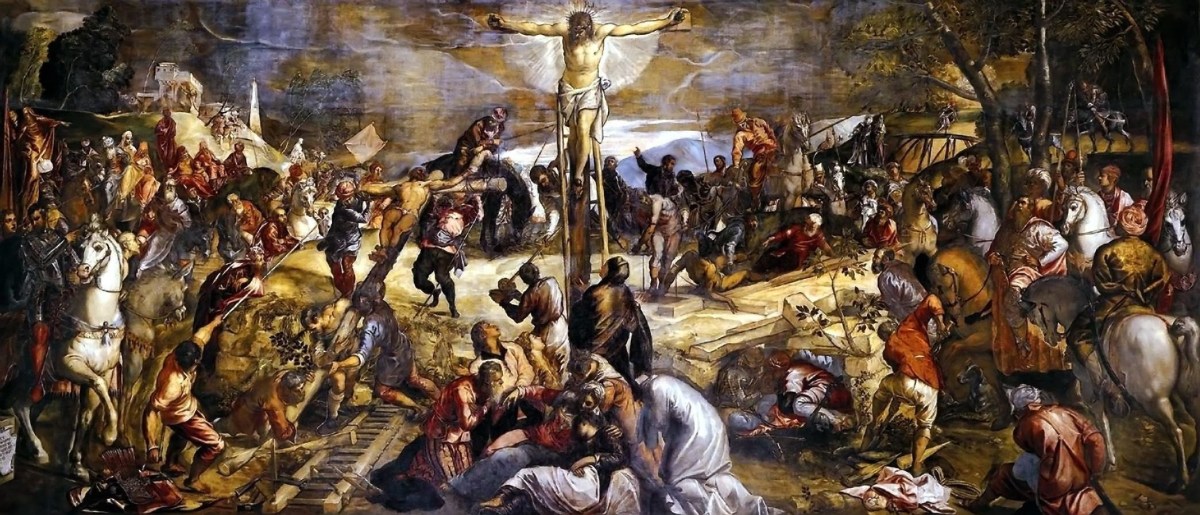
Jesus’ trials were performed in the dark of night, physically and spiritually. He was condemned by the Jewish rulers who were spiritually blind and then allowed to be crucified by the equally blind Roman rulers and even deserted by the disciples he spent three years training. He was condemned by a world who did not deserve him; the whole world was guilty of turning away from him. The world he loved, and for which he would suffer and die, was not deserving of his mercy and grace. The world itself and all the creatures who bore the image of God were corrupted by sin and truly separated from the one who never stopped loving them all. The Creator literally put his life on the line to break the hold of sin in the world so that the world and image-bearing creatures could be restored to what he had intended from the beginning.

The darkness that hung over the world at that moment was a darkness that Jesus had come to defeat. The darkness would only last for a while more. So, with that in mind, even as he was hanging on the cross, Jesus was fixed on the future. He assigned one of his disciples to take care of his mother, Mary. When one of the criminals who were crucified with him, recognized Jesus as God and confessed his guilt, Jesus assured that man, “Today you shall be with me in paradise.” Jesus had chosen to be born the same way as his image-bearing creatures so that he might come to this moment of suffering and dying on our behalf; for this was the way to defeat the hold of sin and death, not only over our lives but over all of creation as well.

Observe

Read John 16. As John is writing about these events, he is careful to detail how the events correspond to the prophecies in Scripture. What is important about making that kind of connection?

Passion unto death

Dancing in the Kingdom- Table of Contents

Dancing In the Kingdom – Part 2 – The Kingdom Revealed – Chapter 11 – The Kingdom Enters

Passion unto death

[Bible references: Genesis 3:12; Matthew 16:21-23; 21:4-5; 26-27; Mark 9:30-37; Luke 22:54-62; John 1:14; 12:12-19; Romans 1:18-32; 5:20; 6:23; Ephesians 2:1-10]

There is a sense in which each moment of history is equally important to the next. Each moment is a moment which God pursues us as he guides us to our ultimate flourishing. There is no reason to suppose that our continuing flourishing will cease once heaven and earth are reunited, but we should expect that our flourishing will continue as a manifestation of his glory.

However, in our current state of affairs in which earth is broken from heaven, there are moments, epiphanies, in which heaven more noticeably breaks through. There are moments in which angels are more visible or in which Yahweh reveals himself through his prophets. Even more remarkable is the moment in which Yahweh submitted himself to taking on human form, even to the point of being conceived as an embryo inside the body of a human woman and then enduring the normal process of physically growing to become a human adult. Yet even that was not sufficient. Yahweh may have taken the form of a human, but it wasn’t a glorified human,[1] not yet the human as he intends for us to be.

To do that would require him to suffer the shame and justice that we ourselves have earned. The sin that brought us death would have to overcome by a sacrifice that would bring us life. In becoming human, Jesus identified himself with us, but in order for us to become like him he would have to make us ready to receive his spirit. We were helpless to make ourselves acceptable to God, to make ourselves free from sin and its consequences. Bonhoeffer once related his prison experience to Advent. He could not free himself – he needed someone to come from the outside to rescue him.[2] And that is our dilemma, we need someone to come from the outside to rescue us. The covenant revealed to Moses was given to increase our sin, to make it more evident than before about our inability to rescue ourselves. We were condemned by our sin to remain separated from God.

We saw in the previous chapter, that the world was very much like it is now, full of factions and frictions, the powerful and the poor, and everyone waiting and wanting the world to be a better place. The world into which Jesus was born was as broken as it is now. Jesus came into this world with a message of love and hope and with acts of healing and casting out of demons, but that would not be enough. Sin and death had a power over the world that needed to be broken. To rescue the world, to restore it to what it was intended to be, sin and death would need to be defeated. And there was no one who could carry out the rescue except God.

It was as true then as it is now, ever since Adam and Eve, people look at the problems around them and think that the problem lies somewhere else besides inside them. In particular, the more factions and frictions there are, the easier it is to find someone else to point to. So, when Jesus came, teaching, healing, and identifying with the common people more than the elite, it seemed that the more Jesus revealed himself the more the people seemed to think that Jesus would be the one – to rescue them from the Roman government.

Even Jesus’ chosen twelve disciples, the ones who would spend three years with him day and night … even they couldn’t understand the type of rescue they would need. Jesus would explain many times about what he needed to do, but the disciples couldn’t understand. The truth is, though, that even as we look back and see what Jesus had to do, we also have a hard time fully understanding just how desperately that we need rescuing. We don’t understand the depths of our own depravity.

When Jesus approached Jerusalem with his disciples for the last time, some of the disciples argued about which of them was the greatest, or who would sit next to Jesus on his throne. When Jesus showed his power with his resurrection of Lazarus, the crowds got more excited about the possibility of Jesus throwing out the Roman government and then they gave him a grand entry into Jerusalem. However, Jesus refused to act as they wanted, and the crowds eventually turned against Jesus. Even one of the disciples, Judas Iscariot, gave up on Jesus and agreed to betray him to the Sanhedrin. Then, when Jesus was arrested, the rest of the disciples went into hiding. Even Peter, who tried to follow the lynching party at a distance, refused to be identified with Jesus.


[1] Got Questions “How does the Bible describe glorified bodies we will possess in heaven?” Got Questions www.gotquestions.org/glorified-bodies.html

[2] Kincaid, Elisabeth Rain, “Bonhoeffer: Advent is Like a Prison Cell” Christianity Today www.christianitytoday.com/women/2018/december/bonhoeffer-advent-is-like-prison-cell.html

Observe

Read John 12:12-19. In this scene, the crowd is expecting a rescue from the Romans,  the Pharisees are worried about their competition becoming too popular, and the disciples are not comprehending what is happening. How did the disciples eventually understand what was happening?

The Kingdom expands

Dancing in the Kingdom- Table of Contents

Dancing In the Kingdom – Part 2 – The Kingdom Revealed – Chapter 11 – The Kingdom Enters

The Kingdom expands

[Bible references: Matthew 8:5-13; 15:21-28]

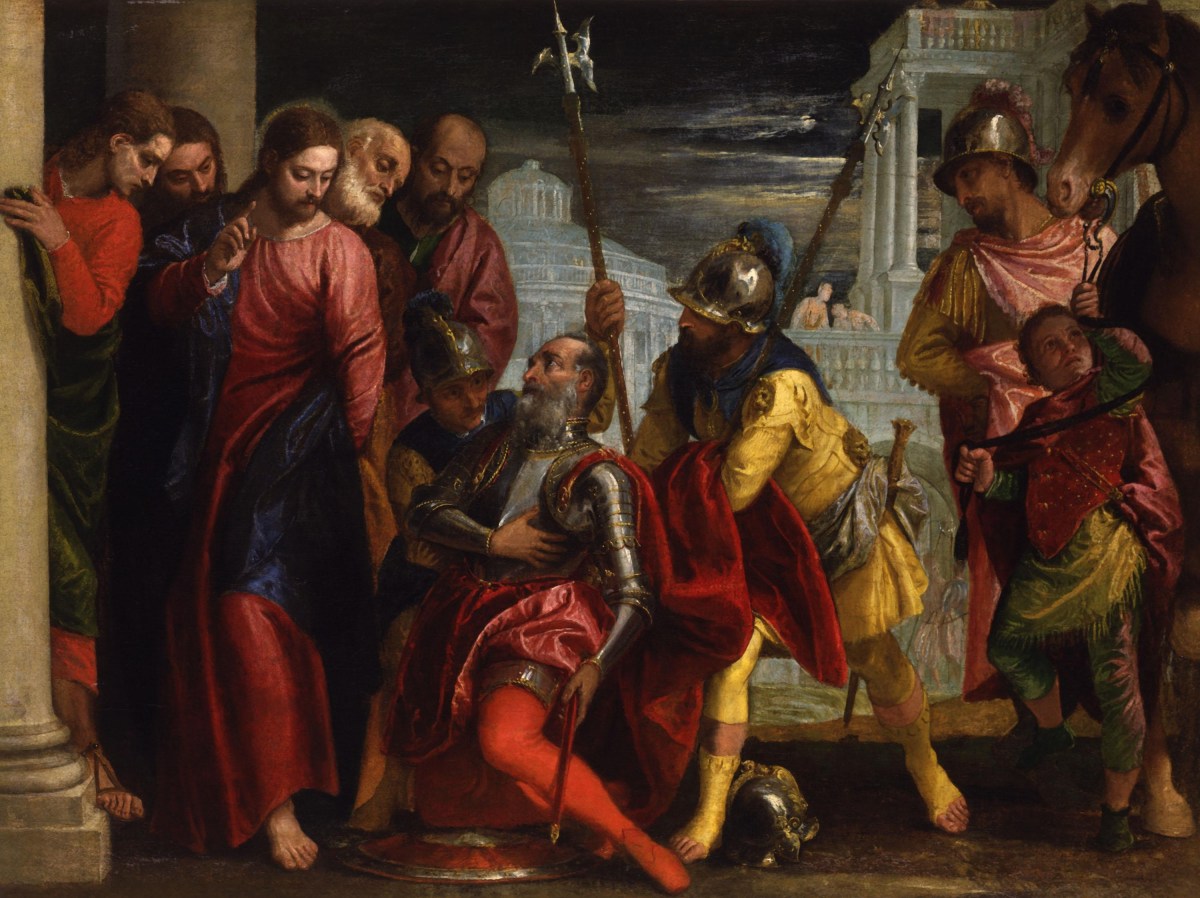
Jesus did not travel far. He spent most of the time in the area around Jerusalem and around Galilee. His focus was on teaching and serving the Jews. However, there were a few occasions when Jesus did interact with the Gentiles, and those occasions showed that the Gentiles were capable of great faith. There was a case of a centurion who recognized the authority that Jesus had. The centurion did not ask Jesus to come to his household to heal his child, but rather asked Jesus to heal his daughter from wherever Jesus was. In another case, Jesus had gone to Tyre, and there a Syrophoenician woman who, knowing Jesus ministered mainly to the Jews, still asked for Jesus to cure her daughter with the humble attitude that “even dogs eat the children’s crumbs.”

Observe

Read Matthew 8:5-13; 15:21-28. How do these vignettes challenge our faith?

Inheriting the kingdom

Dancing in the Kingdom- Table of Contents

Dancing In the Kingdom – Part 2 – The Kingdom Revealed – Chapter 11 – The Kingdom Enters

Inheriting the Kingdom

[Bible references: Matthew 5:1-12; 18:1-9; 19:13-14; 25:34; Luke 18:15-17; John 3:1-8; James 1:4]

The Beatitudes are not parables but rather descriptions of the type of people who are in the kingdom of heaven (first and last beatitudes) and the blessings that they shall obtain.[1] The poor in spirit are those who see themselves powerless, helpless in themselves and unworthy regarding Yahweh;[2] they know that they may be loved by God, but they are broken and not worthy of that love. Those who mourn are those who mourn for their sin, for loss, injustice, etc.[3] The meek are those who trust in Yahweh are will wait for Yahweh even in the face of opposition.[4] Those who hunger and thirst after righteousness are those who want justice as much as they do food and are willing to take action for it.[5] The merciful are those who respond to the mercy shown them by Yahweh by showing mercy to those who need it.[6] The pure in heart are those who stay away from deceit and want the glory of Yahweh.[7] The peacemakers are those who pray for and pursue peace even for those who persecute them.[8] Those who are persecuted for righteousness’ sake are those who are persecuted because of their pursuit of righteousness but not because they were not merciful or not poor in spirit.[9] The beatitudes show the rewards and blessings and shalom  (peace, wholeness, and well-being) for all those types of people.

No one enters the kingdom of Yahweh by their own merit, it is strictly only by family ties. Children only. Only those who are born-again, that is born into the family of Yahweh, are eligible to inherit the kingdom of God. The beatitudes describe the kind of children that one should find in the kingdom. Jesus reinforces this again when answering the question about who is greatest in the kingdom of God. Furthermore, Jesus cautions the adults in this world that not only should they become like children but that they should not cause problems for the children in this world.


[1] Piper, John. “The Beatitudes and the Gospel of the Kingdom” Desiring God 26 Jan 1986 www.desiringgod.org/messages/the-beatitudes-and-the-gospel-of-the-kingdom ; Kauffman, Richard A. “Blessed are those who mourn” Christianity Today www.christianitytoday.com/ct/2007/july/22.50.html

[2] Piper, John. “Blessed are the Poor in Spirit who Mourn” Desiring God 2 February 1986 www.desiringgod.org/messages/blessed-are-the-poor-in-spirit-who-mourn

[3] Biblehub “Matthew 5:3” Biblehubbiblehub.com/matthew/5-3.htm

[4] Piper, John “Blessed are the meek” Desiring God 9 Feb 1989 www.desiringgod.org/messages/blessed-are-the-meek

[5] Piper, John “Blessed are those who hunger and thirst after righteousness” Desiring God 16 Feb 1986 www.desiringgod.org/messages/blessed-are-those-who-hunger-and-thirst-for-righteousness

[6] Piper, John, “Blessed are the Merciful” Desiring God 23 Feb 1986 www.desiringgod.org/messages/blessed-are-the-merciful

[7] Piper, John, “Blessed are the Pure in Heart” Desiring God 2 Mar 1986 www.desiringgod.org/messages/blessed-are-the-pure-in-heart

[8] Piper, John, “Blessed are the Peacemakers” Desiring God 9 Mar 1986 www.desiringgod.org/messages/blessed-are-the-peacemakers

[9] Piper, John, “Blessed are the Persecuted” Desiring God 16 Mar 1986 www.desiringgod.org/messages/blessed-are-the-persecuted

Observe

Read Luke 18:15-17; James 1:4. James encourages us to become mature in the faith. Luke encourages us to receive the kingdom of God like a little child. How do we reconcile these two thoughts?

Kingdom questions and parables

Dancing in the Kingdom- Table of Contents

Dancing In the Kingdom – Part 2 – The Kingdom Revealed – Chapter 11 – The Kingdom Enters

Kingdom questions and parables

[Bible references: Matthew 13:11-17; 21:18-46; Romans 1:18-21]

One time, some people challenged Jesus about the source of his authority. Jesus challenged them back with a question about where they thought the baptism of John was from, “Was it from heaven or earth?” That was only one of many times when Jesus would answer questions with questions.[1] Jesus’ questions were not to gather information for himself but for other reasons: sometimes to force the questioners to deal with their own hearts and motivations.[2] Jesus even sometimes asked if people really wanted to be healed; we know that sometimes people don’t like to change or to take up new responsibilities.

Jesus taught the crowds about the values of the kingdom and the attitude of those in the kingdom by using parables. Many things about the kingdom were quite different from conventional values – they sometimes seemed to be upside-down.[3] Parables used everyday metaphors and examples that could be understood by those whose hearts are open.[4] However, those whose hearts are not open cannot understand the parables. This is like the testimony of those who look at creation: those whose hearts are open can look at creation and see the handiwork of God, but others, whose hearts are not open will not see the handiwork of God – yet no one will have excuse.


[1] Pope, Charles. “100 Questions Jesus Asked and You Should Answer” Community In Mission, Archdiocese of Washington 18 April 2021 blog.adw.org/2021/04/100-questions-jesus-asked-and-you-should-answer.

[2] Arch, David “Ask Questions Like the Master Teacher” Christianity Today www.christianitytoday.com/biblestudies/articles/churchhomeleadership/040602.htm

[3] Thompson, Mark. “Upside Down Kingdom Parables: The Lavish Love of God” Remedy Church 29 Oct 2017 remedylodi.com/upside-down-kingdom-parables-the-lavish-love-of-god

[4] Blue Letter Bible “Our Lord’s Parables” Blue Letter Bible www.dailywordofgodgroup.com/why-jesus-taught-in-parables.htm; Edersheim, Alfred. “Why did Jesus teach in Parables?” Christianity.com www.christianity.com/jesus/life-of-jesus/parables/why-did-jesus-teach-in-parables.html

Observe

Read Matthew 21:23=27. Jesus’ questions are often used to pierce to our hearts. How do you answer Jesus’ question in this passage?

The kingdom arrives

Dancing in the Kingdom- Table of Contents

Dancing In the Kingdom – Part 2 – The Kingdom Revealed – Chapter 11 – The Kingdom Enters

The Kingdom Arrives

[Bible references: Isaiah 61:1-2; Matthew 8:16, 28-34; 9:6; 10:1; 28:18; Luke 4:14, 18-19, 32; 5:21; 6:6-7; 7:1-10, 29-30; 9:1-6; John 5:14; 10:11-18; 14:9; Acts 10:38; 1 Corinthians 15:24]

When Jesus broke into history, we no longer saw the kingdom of God overlapping the earth in a place as in the Garden of Eden or a place in the Holy of Holies. This time the kingdom of God had entered by a person, Jesus, who was anointed with the power of the Spirit. His next goal then was to invade the earth with his kingdom by that same Spirit entering our lives, by the overlapping of Heaven and Earth within each of us as Heaven and Earth overlapped within Jesus.

“God’s kingdom” in the preaching of Jesus refers not to postmortem destiny, not to our escape from this world into another one, but to God’s sovereign rule coming “on earth as it is in heaven.” [1]

When Jesus began his ministry, he quoted from the book of Isaiah to declare how he had come to fulfill that prophecy. Then there were many times throughout his ministry when he declared the reason he had come.

Left to our own resources, we cannot, on our own, correct our relationship to Yahweh; we cannot find our way back to a good relationship with him. We are lost to sin and unable to find our way back to Yahweh, the good shepherd.

Even though His power was evident in the teachings alone, His power was testified to by healing all sorts of diseases[2] including physical or spiritual blindness, casting out spirits (all these things that not only Jesus did but his disciples as well), proclaiming freedom for those in prisons, and setting the oppressed free. But even above providing hope and healing, Jesus offered forgiveness for sin and admonitions to turn away from sin. Jesus came to make us whole in body, mind, and spirit, to experience shalom. Sadly, even though some Gentiles recognized Jesus’ power and authority, some of the chief priests and elders did not want to recognize it themselves, remaining trapped and oppressed in their sin.


[1] Wright, N.T. Surprised by Hope: Rethinking Heaven, the Resurrection, and the Mission of the Church Harper Collins 2008. Kindle Edition (p 19.).

[2] Walk with the WiseEvery instance of Jesus Healing in the Bible: What they all had in common” Walk with the Wise walkwiththewise.org/every-instance-of-jesus-healing-in-the-bible-what-they-had-in-common

Reflect

How do we participate with Jesus in bringing His Kingdom to the earth?

Observe

Read Matthew 10:1; 28:18-20; Luke 9:1-6. How do we participate with Jesus in bringing His Kingdom to the earth?

The Kingdom is near again

Dancing in the Kingdom- Table of Contents

Dancing In the Kingdom – Part 2 – The Kingdom Revealed – Chapter 11 – The Kingdom Enters

The Kingdom is near again

[Bible references: Matthew 3:1-2; 4:12-17; 26:61]

There was a common message that John preached – and that Jesus preached after John was arrested, – “Repent, for the kingdom of heaven is near.” The kingdom of heaven once overlapped the earth within the Garden of Eden and then again on the mercy seat within the Holy of Holies in the tabernacle at which time we had limited access because of our sin. Before the temple was built to replace the tabernacle, there was a period during David’s reign when the ark was not kept in Moses’ tabernacle but in Jerusalem where everyone had access (See Chapter 9, The strange story of the ark and the tabernacle). When the temple was built, the ark was placed inside the Holy of Holies once again, and again, only the high priest had could have access. But now the kingdom of heaven was present within Jesus,[1] and as with David’s tabernacle, everyone would have access again.


[1] The Bible Project “Heaven and Earth” Bible Project www.pursuegod.org/biblical-themes-an-animated-explanation-of-heaven-earth

Read Matthew 26:61. Jesus refers to his body as the temple, the place where God dwells. Jesus was, of course, accessible to everyone around him. Jesus was Immanuel, God with us. Jesus’ very presence was an invasion of the Kingdom of God on earth, and whose power was shown in the healings Jesus performed. Is that presence of the kingdom available now?

Immanuel

Dancing in the Kingdom- Table of Contents

Dancing In the Kingdom – Part 2 – The Kingdom Revealed – Chapter 11 – The Kingdom Enters

Immanuel

[Bible references: Psalm 140-141; Matthew 9:10-13; 21:18; Luke 2:51-52; John 4:4-7]

When we look past the angelic announcements of Jesus’ birth and the visit by the Magi, there is a human ordinariness of Jesus humble birth experience in an overcrowded home and then his life on earth growing up. That ordinariness belied the incomprehensible idea that the one who created the universe could inhabit a human embryo then go through normal biological growth processes to become a human boy and then mature into an adult. Once we accept those things by faith, we can begin to see how the Creator of the universe could identify closely with us as he could have real human experiences of hunger, thirst, tiredness, etc.

Reflect

In this life it can seem that God is not present. How do you handle those moments?

Observe

Read Matthew 9:10-13; 21:18; Luke 2:51-52; John 4:4-7. How do you imagine a relationship with Jesus?

Expectant Magi and the non-expectant king

Dancing in the Kingdom- Table of Contents

Dancing In the Kingdom – Part 2 – The Kingdom Revealed – Chapter 11 – The Kingdom Enters

Expectant Magi and the non-expectant king

[Bible references: Matthew 2:1-23; Hosea 11:1; Jeremiah 31:15; Micah 5:1-4]

Some people in a foreign country east of Jerusalem were also waiting for the Messiah. Perhaps because they were aware of the writings of Daniel, the Magi had hearts that were open to God and invested time and money to travel to Jerusalem looking for this newborn “king of the Jews.” However, when they arrived in Jerusalem, no one there was ready for this news. While the chief priests and teachers of the law could belatedly figure out that the birth was supposed to happen in Bethlehem, they obviously had not been looking for the Messiah.

Herod’s claim to the throne was sketchy, but he was a politician who had proven his ability to “keep the peace” by means of violent suppression and so Rome had installed him as king. So, upon learning from the Magi about the “King of the Jews” being born, Herod was threatened by what he thought was a rival king and tried to use the Magi to find out who this rival was.

However, the Magi had been warned in a dream about Herod’s ruse and after visiting Jesus they returned home another way. Joseph also had a dream in which he was warned that Herod was going to search for Jesus in order to kill him and so Joseph and Mary took Jesus to Egypt. Sure enough, when Herod realized that the Magi were not going to return, he put out an order kill all babies less than two years old in Bethlehem to eliminate His potential rival.

Joseph and his family stayed in Egypt until he learned in a dream that Herod died. However, when Joseph returned to Bethlehem, he learned that Herod’s brother was now king, he took the family to Nazareth in the region of Galilee. All these moves made it possible to make now sense out of three seemingly contradictory prophecies: that Jesus would be born in Bethlehem and come out of Egypt and that he would be called a Nazarene.

Observe

Read Matthew 2:1-23 Micah 5:1-4; Hosea 11:1; Jeremiah 31:15. Some Biblical prophecies were hard to make sense out of until they were fulfilled. What does that mean in regards to how we handle seemingly contradictory scripture passages?

Joseph and Mary

Dancing in the Kingdom- Table of Contents

Dancing In the Kingdom – Part 2 – The Kingdom Revealed – Chapter 11 – The Kingdom Enters

Joseph and Mary

[Bible references: Matthew 1:18-25; 2:1-18; Luke 1:26-56; 2:1-20, 41-51]

Jesus was born to an apparently ordinary, non-descript couple, Joseph, and Mary. There was nothing outside the ordinary about Mary except that, unlike Zechariah, she believed and accepted the words of the angel, Gabriel, and the miracle was to come upon her. Joseph was only an ordinary tekton[1] (stone mason or carpenter), but he also accepted the words of the angel and received Mary as his wife. The responsibility that this humble couple accepted was full of unknowns for this was no ordinary boy that they were supposed to raise. The unknown hardships they would endure included 1) a trip from Galilee to Bethlehem while Mary was heavily pregnant, [2] 2) giving birth in first floor of a house overflowing with guests and needing to use a feeding trough as a crib[3] 3) and then a trip to Egypt where they stayed for an extended period while the life of Jesus was in danger from Herod, 4) then when Herod died, back to Bethlehem only to find Herod’s son, Archelaus, in charge so they fled past Jerusalem to Nazareth. Joseph and Mary also witnessed several supernatural events around the birth of Jesus: the appearance of shepherds who witnessed the angelic announcement, the prophetic announcements of Simeon and Anna when they brought Jesus to be circumcised[4], the appearance of Magi from the east. Outside those events, Mary and Joseph seemed to have ordinary lives as shown by the reaction they had when twelve-year-old Jesus was accidentally left behind during a family trip to Jerusalem.


[1] Galatty, Robby, “Was Jesus a Carpenter or a Stonemason?” The Christian Post 29 Apr 2017 www.christianpost.com/news/jesus-carpenter-or-stonemason-181531.

[2] Jesus Trail Tours, “Hiking the Nativity Trail from Nazareth to Bethlehem” Jesus Trail Tours jesustrail.com/blog/hiking-the-nativity-trail-from-nazareth-to-bethlehem

[3] Paul, Ian. “Jesus was not born in a stable, says theologian” 23 Dec 2014 The Guardian www.theguardian.com/world/2014/dec/23/jesus-christ-not-born-in-stable-theologian-new-testament

[4] Bible Project “The Jewish Exile – How it made the Bible” Bible Project 1 Feb 2018 bibleproject.com/podcast/jewish-exile-how-it-made-bible/

Observe

Read Luke 2:41-51. After Mary and Joseph left 12-year-old Jesus behind during a family trip to Jerusalem, what didn’t they understand about Jesus’ answer?

John the Baptist (Immerser)

Dancing in the Kingdom- Table of Contents

Dancing In the Kingdom – Part 2 – The Kingdom Revealed – Chapter 11 – The Kingdom Enters

John the Baptist (Immerser)

[Bible references: Matthew 3:1-3; 11:2-19; Luke 1:5-80; 3:1-20]

The precursor to Jesus coming was John the Baptist. John was born to a couple, Zechariah and Elizabeth, six months earlier than Jesus was born. Like the couples Abraham and Sarah and Elkanah and Hannah before them, Zechariah and Elizabeth also gave birth to children when they were normally considered to be too elderly to have children. When Zechariah was told by the angel, Gabriel, about the coming birth of his son (who would be named John), Zechariah had trouble believing the message. The resulting discipline given to Zechariah was being unable to speak. This discipline was used to convince Zechariah and others about the miraculous nature of John’s birth. John was sent in the spirit and power of Elijah to prepare Israel for the ministry of Jesus. John’s preaching and baptizing ministry began before Jesus started his ministry and continued until Herod the tetrarch arrested John.

Reflect

While Zechariah became temporarily mute as a matter of discipline for him, it also seemed to increase the awe of John’s birth for everyone else. What types of things increase awe for you?

Observe

Read Matthew 11:2-19. Why do you think John had questions about Jesus?

Personal not political

Dancing in the Kingdom- Table of Contents

Dancing In the Kingdom – Part 2 – The Kingdom Revealed – Chapter 11 – The Kingdom Enters

Personal, Not Political

[Bible references: Luke 1:26-38; 2:25-38]

When Jesus was born, Israel was a client province of the Roman Empire. This situation was far removed from their condition as an independent kingdom of David or Solomon. The current ruler, King Herod the Great, was installed by the Romans as the secular ruler of Israel while the Sanhedrin oversaw religious laws. That was the political situation. Most people thought that the Messiah would come and resolve their political problem and make the Romans go away. The real problem though, is that our main problem is not political, it’s personal, deeply personal. Jesus’ main solution then is personal and the way he arrived in the world was designed to address our personal problem.

Reflect

As you think about the types of problems you have, where do you think the problems come from?

Observe

Read Luke 1:26-38. What is ordinary and not so ordinary about Mary?

Looking for Messiah

Dancing in the Kingdom- Table of Contents

Dancing In the Kingdom – Part 2 – The Kingdom Revealed – Chapter 11 – The Kingdom Enters

Looking for Messiah

[Bible references: 1 Samuel 8:5; 2 Samuel 7:12-13; Isaiah 9:6-7; 52:13-53:12; Matthew 2:2; 3:16; Luke 1:23-33; 1 Peter 2:24; John 6:15; 1 John 5:1-13]

During all the messy history, Yahweh was working to bring his plan into fruition. His end goal was to create a new heaven and a new earth but there were things that needed to happen first, including the removal of the power of sin over his people. His solution was to lay aside some of his power and enter history as a human, not only so that he could identify with his image-bearers but so that we would be challenged to choose his authority as a matter of faith – not a blind faith, but a faith based upon recognizing God’s work.

In the writings of Hebrew scripture there were clues and prophecies about the Redeemer that Yahweh would provide: the Redeemer that would be anointed by God, the Redeemer would rescue people from sin and the Redeemer would restore their relationship with Yahweh. The charts in Appendix D show many of those prophecies. These prophecies created an air of expectation. While it’s easier for us who are looking back to see how Jesus fulfilled the Old Testament prophecies, at the time that Jesus was born there were differing expectations about how those prophecies would be fulfilled.

One thousand years previous to Jesus’ birth, the Israelites thought that their problem was that they didn’t have a king “like everybody else” Now once again, many still thought that their problem was still a political one and that what they needed was the kind of Messiah that would throw out the Roman government.[1] (There were also some other various controversies swirling around which we will discuss in more detail in the next chapter.) Nevertheless, people were looking for a Messiah.


[1] Bible Study Tools “John 6:15” Bible Study Tools www.biblestudytools.com/commentaries/gills-exposition-of-the-bible/john-6-15.html

Observe

Read 2 Samuel 7:12-13; Isaiah 9:6-7; 52:13-53:12; Matt 3:16; Luke 1:23-33; 1 Peter 2:24. What kind of Messiah was expected to come?

Recognizing the unity of Yahweh and Jesus

Dancing in the Kingdom- Table of Contents

Dancing In the Kingdom – Part 2 – The Kingdom Revealed – Chapter 11 – The Kingdom Enters

Recognizing the unity of Yahweh and Jesus

[Bible references: Genesis 3:14-15, 21; 4:13; 5:5-6; 6:5-6; 12:1-3, 16-33; Exodus 32:1-14; Judges 6:24; Psalms 29:11; 78:40; Job 42:10; Isaiah:4; 54:7-10; Jeremiah 42:10; Matthew 8:5-13; Luke 7:50; 8:48; 10:5-6; 12:49-53; John 2:13-17; 8:58; 10:30; 14:27; 16:33; 20:28; Romans 12:18-19; 2 Corinthians 5:18-19; Titus 2:13; 2 Peter 1:1; Revelation 6-10]

We need to remember that Jesus, as God, was present in whatever God was doing during the times of the Old Testament. There are various Hebrew designations for God in the Old Testament, such as Elohim or Yahweh. It remains a mystery as to whether those Hebrew names refer to all the persons together (Father, Son, and Holy Spirit) or whether they might refer to God the Father in particular. Either way, Jesus was included. On one side, anything that Yahweh did, was Jesus’ doing as well. On the other side, whatever Jesus did was the work of Yahweh as well. If Jesus was working at reconciling the world to himself from the beginning, that was the work of Yahweh as well.

While we usually have no problem seeing Jesus as a one bringing peace, Yahweh also desired peace. When Yahweh needed to discipline his people, he desired to show mercy, as well. While human sin drew the wrath of Yahweh, it also brought Yahweh sorrow. We also see that Yahweh did not correct His people when they petitioned Him to show mercy to others.

On the other side, while we usually have no problem seeing the violence of Yahweh, Jesus himself never promised not to use violence. In fact, he promised to bring division. Jesus did not admonish Roman soldiers about their jobs when he encountered them, even complementing them on their faith. At one point, Jesus even violently attacked property in the temple.

In the present time, we are instructed, if it is possible, to live peaceably with all people and that vengeance is reserved for God. But we also know, that at the end of the end times, violence will be unleashed in the final judgment.

Observe

Read Genesis 6:5-6; Matthew 8:5-13. Compare these two passages. How is God portrayed the same way in both passages?

Problematic acts of violence in the Old Testament

Dancing in the Kingdom- Table of Contents

Dancing In the Kingdom – Part 2 – The Kingdom Revealed – Chapter 11 – The Kingdom Enters

Problematic acts of violence in the Old Testament

[Bible references: Genesis 4:26; 6:5-22; 9:1-1; Exodus 15:1-21; 17:16; 20:5:34:6-7; 14:18-19; Deuteronomy 5:9-10; 33:27; Joshua 6:15-19; 8:1-2; 10:20, 40-43; 11:16-23; 13:1; 15:63; 16:10; 17:16; 21:43-45; Judges 3:1-7; 1 Samuel 17:45-47; 25:28; 1 Chronicles 21; Isaiah 28:21; Jeremiah 6:23; 42:11-12; Ezekiel 8:17; 23:19; Habakkuk 1:6-7]

The Flood

Human violence made God grieved[1] that he had made humans and He was filled with pain. God sent a flood as a judgment on the violence and evil of humanity, but in His mercy, God spared Noah and his family. In addition to that, after the flood God imposed a penalty for murder and gave the rainbow as a sign of his covenant to never flood the earth again.

The conquering of Canaan

God’s instructions to Joshua for conquering the land of Canaan along with and the language that summarized some of results can make is seem genocidal, like all the Canaanites were wiped out. However, reading more carefully, we can see that the language is being used hyperbolically. For example, at the end of Joshua and the beginning of Judges we still see all the Canaanite tribes still exist, that there was still Canaanite land waiting to be possessed and that there were still many Canaanites around that God intended to remain in order to bother the Israelites. Also, as we look at the language God used for driving out the Canaanites in Deuteronomy 33:17, it indicates that Yahweh had a prior relationship with the Canaanites just like He had in primeval times with Adam’s son, Seth, and Seth’s descendants.[2] What is not often linked to the demise of the Canaanites is the curse that Noah placed on Canaan (Genesis 9:18-25).[3]

Intergenerational violence

Many people are disturbed by the statement made in a few locations in the Old Testament, about punishing the children for sins of the fathers to the 3rd and 4th generation. Some clarifications need to be addressed in this statement.

  1. Some translations use the term “punish” but other versions use the better translation “visit,” That is to say that God will witness the effects of the sins of one generation on the following generations. Since family structures in Old Testament times included up to four generations living in one location, it would be natural to see the effect of the oldest generation affecting the others.
  2. Setting the effect of sin to just 3rd and 4th generations also needs to be seen in contrast to the mercy shown to thousands of generations. Yahweh’s mercy is greater than sin.
  3. This statement also needs to be set in contrast to Ezekiel’s statement that the penalty for sin would only be applied directly to the sinner.

Yahweh’s abandonment of Israel

Just as Yahweh had disciplined Assyria, Babylon, and other nations for their excessive violence towards Israel, Israel’s continued practice of violence and evil warranted the same violent discipline. Yahweh allowed the capture and exile of Israel and Judah by Assyrians and Babylonians. This violence by Yahweh towards Israel was in contrast to the continued mercy shown by God to Israel in the past. For that reason, this abandoning Israel to the violence of Assyria and Babylon would be referred to as his “strange” work (Isaiah 28).

During that abandonment, much of the suffering Israel and Judah experienced, including extreme starvation that led to cannibalism, was due to their failure to surrender during the siege of the cities. Of course, if Israel and Judah had been obedient from the beginning, Yahweh would not have brought in the Assyrians and the Babylonians.

When Israel successfully evaded the Egyptians during their exodus, a song was created in which Yahweh received the title, “the Warrior God.” After that, Yahweh was described as a warrior fighting for Israel. But that sentiment disappeared after Israel went into exile because Yahweh turned the tables and fought against Israel.


[1] From Genesis 6:6. Some Bible translations use “regret” or “repent” to translate the Hebrew nacham which also encompasses grief or sorrow.

[2] Mariottini, Claude. Divine Violence and the Character of God, Wipf & Stock, 2022 (p.329-330)

[3] Fischer, Bryan. “What did Ham do when he ‘saw the nakedness of his father”’” American Family Radio www.afa.net/the-stand/family/2014/08/what-did-ham-do-when-he-saw-the-nakedness-of-his-father/ This curse has been misused by Europeans and Americans who wanted to justify enslaving the Africans by insisting that the curse was put on Ham from whom the Africans were descended.

Observe

Read 1 Chronicles 21. Would you prefer to be disciplined directly by God or by image-bearers commissioned by God to discipline you?

General Issues with Violence

Dancing in the Kingdom- Table of Contents

Dancing In the Kingdom – Part 2 – The Kingdom Revealed – Chapter 11 – The Kingdom Enters

General Issues with Violence

[Bible references: Isaiah 10:5-12; 40:1-2; 48:8-11; 55:8; Jeremiah 25:12-14; 30:24; Zechariah 1:14-15]

In many ways, our modern-day sanitized culture puts a distance between us and some of the everyday realities of violence. Some examples: Buying packaged meat from the butcher, without seeing the slaughter of the animals, People dying in the hospital and sent to the morgue instead of allowing us the honor hosting the dead at home.

For those of us who have more privileged lives where we don’t directly experience violence done to us or loved ones, many have problems with a judgmental God. But those who are oppressed and do directly experience violence done to them or their loved one’s desire God’s judgment and His righteousness.

God’s acts of violence are not part of his nature but are a reaction to acts of human violence. The purpose of God’s violence is to restore justice in his creation.

When God’s assigned His image-bearers the responsibility of stewardship over His creation, that assignment did not end with our rebellion. To that end, Yahweh’s preferred method of working in the world is through His image-bearers. Even when Yahweh wishes to use violence to restore justice, He often uses human agents. Those agents however often exceed the charge given them, creating much of the abusive violence we see in the Old Testament. However, when that happens, God disciplines those same agents.

Even with all these explanations we should expect that, in the end, God’s violence is a mystery we cannot fathom. We cannot grasp why God allows violence to persist on earth.

Reflect

Is it possible for God’s justice to not use violence against those who unrepentantly use violence against God’s other image-bearers?

Observe

Read Isaiah 55:8; Jeremiah 25:12-14; 30:24. Is there a warning for all of us here?

Reflections on Violence

Dancing in the Kingdom- Table of Contents

Dancing In the Kingdom – Part 2 – The Kingdom Revealed – Chapter 11 – The Kingdom Enters

Reflections on Violence

Many people have trouble reconciling the portrait they see of God in the Old Testament versus the portrait they see in Jesus in the New Testament. The Old Testament portrait seems so violent while the New Testament portrait seems to show Jesus as non-violent even to the point of submitting to being executed. There have been various awkward responses to these seemingly disparate portraits that even include suggesting that the God of the Old Testament is a different God than the one shown in the New Testament.

Reflect

How do you perceive the different ways that God is presented in the Old and New Testaments?

Looking back – Signs and shadows of the kingdom

Dancing in the Kingdom- Table of Contents

Dancing In the Kingdom – Part 2 – The Kingdom Revealed – Chapter 11 – The Kingdom Enters

Looking back – Signs and shadows of the kingdom

[Bible references: Genesis 6:5-7; Exodus 25:17-22; Leviticus 16; Joshua 24:19; 2 Kings 17:6; 2 Chronicles 36:17-24; Ezra 1-2; Psalm 14:2; 53:6; Isaiah 43; Jeremiah 29:10; 31:31-39; Matthew 4:12-17; Romans 7:7-24; 8:20-22; Colossians 2:16-17; Hebrews 8:5; 10:1, 5-10; Revelation 21-22]

In the beginning, God created a good earth. Within that good earth, Yahweh created a special place, the Garden of Eden, where he could meet and live with the creatures who bore his image. The Garden was a place where the heaven and earth overlapped, a place where the goodness of Yahweh overflowed, a place of shalom, a place where his image-bearers were intended to thrive and develop as co-creators with Yahweh and ultimately create a civilization that would cover all the earth to the glory of God.

“Perhaps the most fitting symbol of the development of creation from the primordial past to the eschatological future is the fact that the Bible begins with a garden and ends with a city – a city filled with “the glory and the honor of the nations.”[1]

However, the image-bearers put Yahweh’s authority to the side and rebelled against him. The rebellion disrupted the union of the Yahweh’s kingdom with his creatures and all of creation was put into disorder. Human space and Yahweh’s space were separated and all of creation was damaged, including not only the relations between Yahweh and his image-bearers but between the image-bearers themselves.

In the Bible, the themes of heaven and earth can be thought of as heaven being God’s space and the earth being the human space. It may be helpful to think of these spaces as different dimensions. In the Garden of Eden these spaces overlapped, allowing God and man could dwell together. In the garden the humans were to be partners with God taking care of this garden, however they decided to do things their own way rather than God’s. This resulted in the humans being ejected from the space where heaven and earth overlapped, and the remaining story of the Bible is about how God is once again going to bring heaven and earth back together.[2]

The image-bearers found themselves in an increasingly vicious cycle of violence and corruption causing God to restart his project by creating a great flood. Fortunately, out of his deep love for his rebellious image-bearers, Yahweh was resolved to overcome the violence and oppression and had a plan to reunite heaven and earth, extending his kingdom over all the earth.

Yahweh set processes in place that would begin with Abraham and Sarah, continue through to the other patriarchs, and then continue with the nation of Israel. Under Moses’ leadership and with the guidance of the Holy Spirit, the tabernacle was constructed to be the place where heaven and earth would overlap within the Holy of Holies. The temple was decorated and designed to make people feel like they were going back to the garden.

The difficulty was that God’s space is perfect, pure, just, and holy but the human space is full of sin and corruption. This problem was somewhat resolved through the sacrifice of animals, where the animal absorbed the sin of the people and died in their place, creating a limited clean space. Within the Holy of Holies, the mercy seat on the ark was where God’s presence would be but could only be accessed once a year by the high priest.

However, the tabernacle with all its rituals were designed to only be a shadow of things in heaven and a shadow of the things that were coming, a shadow of how Yahweh’s relationship with his image-bearers would be restored and all of earth would be joined with Yahweh’s kingdom in heaven as was intended from the beginning.

In the meanwhile, in those shadows of the coming kingdom, Yahweh worked within the nation of Israel, his chosen people, to gradually reveal signs of his intended restoration. Within those shadows, the people of Israel could see the futility of their own efforts to reconcile with Yahweh despite their denial of the reality of Joshua’s words, “You are not able to serve Yahweh.” Within those shadows, the nation of Israel would rebel against the kingship of Yahweh, rejecting his reign and insisting on creating their own kingdom, like “all the other nations.”

The nation was reminded time after time that the law was good, but they were not, that their continual animal sacrifices were never a permanent solution to reconciling with Yahweh, that they needed a redeemer, they needed a change of heart. Prophets were raised up to warn the people of the consequences of their continual rebellion, but they also delivered messages of hope that, despite their rebellion, God would restore his people to himself.

Then the promised judgment for their rebellion came: Most of the nation was lost to history as ten tribes of Israel were scattered through the Assyrian empire, which would be followed by the temple being destroyed and with a remnant of the remaining tribes being sent into exile in Babylon. If there was any hope that the ritual sacrifices at the temple could reconcile the people with Yahweh, now even that possibility was taken away. The restoration of their own kingdom seemed to be in doubt, never mind the kingdom of Yahweh.

However, the exile was promised to be temporary. After 70 years, the exiled nation had the opportunity to return to the Promised Land and rebuild the temple. Once the temple was rebuilt it was now possible for the temple worship to continue and even for their government to be restarted, although it would be under the auspices of a foreign nation. Yet in all that happened, one thing had not changed; the hearts of the image-bearers had not changed. There was still a need for a redeemer.


167 Wolters, Albert M. Creation Regained: Biblical Basics for a Reformational Worldview William B. Eerdmans Publishing 1985, 2005. eBook (Kindle Locations 581-583)

[2] Bible Project “Heaven and Earth” Bible Project thebibleproject.com/explore/heaven-earth