The Cycle of Sin Continues

Dancing in the Kingdom- Table of Contents

Dancing In the Kingdom – Part 1 – Shadows of the Kingdom – Chapter 7– Settlement

The Cycle of Sin Continues

[Bible references: Genesis 3; Judges 8:22-27; 17; 1 Samuel 4; Proverbs 2:1-8]

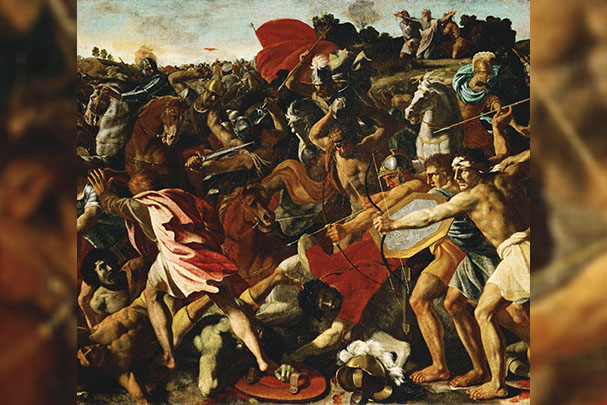
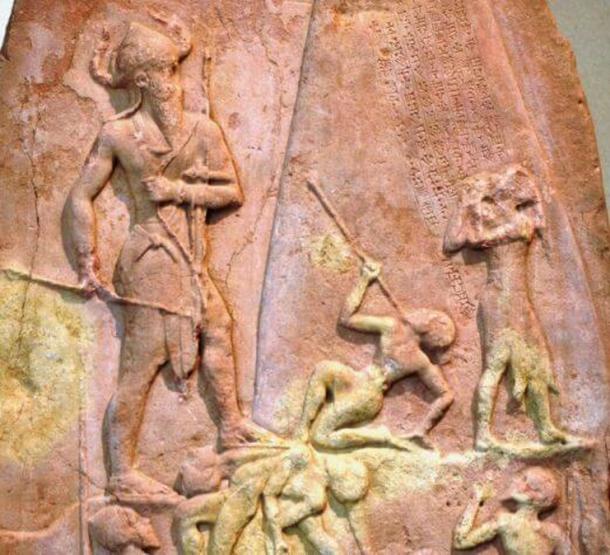
While Eli was priest, there came a time when Israel had to fight the Philistines, a nation with iron instruments that was exceedingly difficult to fight. After Israel was routed in one battle, Eli’s sons thought that the solution for victory was to take the ark with them into battle. They thought that they surely would win the battle if they carried God, whose presence was supposed to be in the ark, into battle. What they didn’t do, however, was to consult with God. Not only did Israel lose again, but Israel also lost the ark itself to the Philistines.

The mistake that Israel made was a mistake as old as Adam and Eve. We would rather have a God that we can handle rather that one we are accountable to. Want wisdom? Don’t wait for God, just eat from the tree. Want to win a battle? Don’t wait for God to lead you, take God (as the ark) with you. One of the previous judges, Gideon, would make an ephod that would become an idol for Israel. Also, in the period of the judges, a priest named Micah, would make an ephod that would also become an idol. One of the convenient things about idols is that while they may not have the power of God, they don’t make uncomfortable demands about changing our lives either.

Reflect

What kinds of changes do you need to make in your life in order to reflect the true God and not the “god” you are comfortable with?

Observe

Read 1 Samuel 4. In what ways do we try to manipulate God?

God raising his people

Dancing in the Kingdom- Table of Contents

Dancing In the Kingdom – Part 1 – Shadows of the Kingdom – Chapter 7– Settlement

God raising his people

[Bible references: 1 Samuel 1-2; Ruth 1-4; Matthew 1:1-16; Luke 3:21-38; 1 Corinthians 25; (See also, Sarah (Genesis 16-18) Rebekah (Genesis 25:19-26) Elizabeth (Luke 1:5-25))]

During the time of the judges, while the nation of Israel struggled and failed to follow God, we find that God was raising judges in response to Israel’s cry for help in their ongoing cycle of sin, God was also quietly working in the background through individuals to carry out His larger plan.

During the period of the Judges, God used drought to cause Elimelech and his wife Naomi and their two sons to move to Moab. Both of her sons got married in Moab and one of them married a woman named Ruth. When Naomi’s husband and sons were tragically killed, Naomi moved back home to Israel. While Ruth could have stayed in Moab, Ruth desired to follow Naomi and particularly to follow Naomi’s God. God used that act of faith to arrange for Ruth to meet and married Boaz, thus inserting a Moabite woman into the lineage of people who would become the ancestors of Jesus.

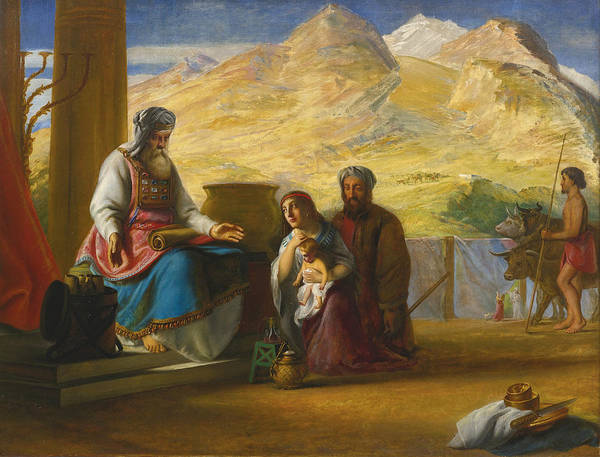
There is a recurring story that began in Genesis with Abraham and Sarah, where God works through women who have difficulties in pregnancy. In the time of Judges, the woman was Hannah. In her struggle to become pregnant, Hannah leaned on God. One day, while she was praying at the tabernacle, the priest, Eli, saw her and asked God to grant Hannah her wish. Shortly thereafter, Hannah became pregnant and gave birth to a son, Samuel. In an act of gratefulness, after giving birth to Samuel, Hannah committed Samuel to serve at the tabernacle with Eli. Little did Eli know at the time that God would raise up Samuel to be a priest in place of his sons. When Eli’s sons had become corrupt and unfit to serve as priests, God worked within Hannah’s fervent worship to raise up Samuel and eventually called Samuel to replace Eli as priest. Samuel ended up being a prophet for Israel and served as the last of the judges.

Reflect

We can get distracted by events around us and lose sight of the fact that God is always working around us, even when things seem to be in turmoil. How can that help us in our daily lives?

Observe

Read 1 Samuel 1-2. Consider how God worked through Hannah’s life to prepare Samuel to be the next priest. How can God use the trials in your life to bring glory to Himself?

Judges and the Cycle of sin

Dancing in the Kingdom- Table of Contents

Dancing In the Kingdom – Part 1 – Shadows of the Kingdom – Chapter 7– Settlement

Judges and the Cycle of sin

[Bible references: Deuteronomy 32:28; Judges 2:11-13; 8; 17-18; 21:15, 25; 1 Samuel 4]

Because Israel had not been faithful to “totally destroy” the people whose land they conquered, the foretold consequence became true, Israel became ensnared in the horrid idol worship practices of those people. Everyone did what was right in their own eyes.

To discipline his people, God allowed Israel to be plundered by the surrounding peoples until Israel cried for mercy. God then raised up leaders called judges to successfully fight off the oppressors and Israel would respond by turning from idol worship, but only for a while. Eventually Israel would fall away from Yahweh once again and the cycle of oppression, rescue, and falling away would repeat.

Observe

Read Judges 2. The book of Judges is a record of our penchant to turn from God and of his patient faithfulness, continuing to rescue us despite our persistent failure. How does this cycle make you feel?

The God of War

Dancing in the Kingdom- Table of Contents

Dancing In the Kingdom – Part 1 – Shadows of the Kingdom – Chapter 7– Settlement

The God of War

[Bible references: Exodus 22:21-22; Leviticus 19:33–34; Deuteronomy 10:17–19; 24:19; Joshua 6:17-21; 1 Samuel 15:1-3; Psalm 10:14–18; 68:5; 146:9; 2 Thessalonians 1:5-10; Hebrews 10:30; Revelations 19:17-21]

One of the troublesome tensions of the Christian faith is how to reconcile our picture of Jesus who’s come to bring us peace with the picture of the “pre-Jesus” God who seems so violent. In particular, the God who commanded Israel to “totally destroy,” to leave no one alive in the cities of the “Promised Land” they were to inhabit.

It has been so hard to reconcile the two images of the God, one of the Old Testament that engaged in violence and the second of one of the New Testament who came to “bring peace,” that from the earliest days of the church some Christians felt compelled to abandon the Old Testament altogether. There are several issues that affect how we deal with this problem.

There are less differences between how God is revealed in the Old vs. New Testaments than many think. (See Chapter 2; Paradoxes and Mysteries; Gracious, Merciful and Just). If we have a problem with God in the Old Testament, then we have a problem in the New Testament as well. Both Testaments together provide the full story of the Gospel and a full picture of God.

We need to see all suffering and death in context of Jesus’ suffering and death by execution. Jesus is God the Son, present from before Creation, the God of Creation, the God of Abraham, Moses and Israel, and the God who commanded Israel to cherem the people in Canaan. Jesus cannot be separated from all the activity ascribed to God’s activity in the Old Testament. The Wonderful Counselor, Mighty God, Everlasting Father, Prince of Peace that we are more comfortable dealing with, is only available because of all that He had done beginning with Creation, extending through history of the patriarchs and Israel and eventually his own incarnation, suffering and death.

We need to accept that there is much that we do not know. This comes to us in a couple of different ways. We must deal with our cultural separation from the unfamiliar ancient near east culture and a knowledge of God that is far beyond our comprehension. We also need to take Yahweh’s criticism of Job seriously, and Yahweh’s admonition to Isaiah that  “my ways are higher than your ways.” Then we also must be careful to not accuse Yahweh of injustice when there is so much that do not understand.

The totality of destruction implied by cherem catches our attention, but this is only a specific, though perhaps extreme, case of the question, “Why does God allow bad things to happen to good people?” The answer to the everyday issue of why “innocent” people suffer, is the same answer that underlies the killing of people that we assume are innocent.

Our sanitized culture makes it difficult for us in the modern day who live in a time where we do not witness the slaughter of animals we eat. We have a hard time associating with those who lived in the time when there was the ritual slaughter of animals, not for the sake of food but for the sake of sins. We have not had to watch the slaughter of animals and contemplate the awfulness of our sin and of God’s hatred of sin because of its awful effect on us. We are then even further separated from the concept of a God so jealous for us that he would even offer himself to be slaughtered on our behalf.

Our perception is further sanitized because we live in a world that has been cleansed by the effect of the grace of Christian values (OK, we have to admit that the church has not always lived up to its professed values) and the ameliorative effects of technology and medicine. It has been the Christian value of life that confronted the once common practice of abandoning babies on the street to die and made it rare. It has been Christian values that have elevated the status of women and children. It has been Christian values that led to the development of modern science. So many of what are now commonly accepted values in Western civilization, were adopted from Christian values, but it’s easy to forget where those values came from.

Yet another level of sanitization occurs when we don’t consider the extent of our own sin and depravity in context of the extent of the holiness of God. A contrast that caused the prophet Isaiah to proclaim, “Woe is me. I am a man of unclean lips from a people of unclean lips.”

We also are forgetful of the mercies of God. 1) Jonah was perturbed when Yahweh responded to the repentance shown by the Ninevites by not bringing about the threatened destruction. 2) The mercies shown to many of the idolatrous kings of Israel when they repented.[1] 3) In the case of Israel entering the Promised Land, we don’t know what kind of warnings the Canaanites may have received prior to the “total destruction” of their cities. We do know that Yahweh patiently waited until he “sin of the Amorites would reach their full measure.” The Canaanites may have had sufficient warning to change their ways (and they had, among other abhorrent practices, that of sacrificing their children to the flames) and yet they didn’t. While we, in our time, may think of the “total destruction” as genocide, it may be instead an act of mercy – reducing the pain and suffering that would otherwise go on.

Sparing the lives of the “innocent” within the borders of the Israel did lead to the Israelites to continue the reprehensible practices of the Canaanite religions, prolonging the suffering that Yahweh wanted to put an end to. Israel was susceptibility to fall into the sin of the nations around them and was warned that allowing the original inhabitants to live alongside of them, would cause the Israelites to adopt the same abhorrent practices – which is what happened.

God had already used the forces of nature to directly carry out his cherem version of justice (ex: The Great Flood which killed all people except Noah and his family, the crossing of the Red Sea in which innumerable Egyptian soldiers died). With the formation of the nation of Israel, God now had human agents to act on His behalf. When God commanded Israel to invoke cherem, they were acting as his agent to execute a type of justice that God had already been practicing.

How innocent were the Canaanites: men, women, and children? We can’t argue from silence that the Canaanites did not have a chance to respond to God’s warnings. We do know that God waited several hundred years before executing his judgement.

It is not just in the Old Testament that we witness immense suffering. All around us today and through the years before, there has been great suffering among God’s image-bearers caused by our own violence or the violence of natural events or the violence of birth defects. All these can cause us to question, “Why, God?”

These issues and many others cause us to grapple with how God is implicated in the violent activity and the suffering endured by those we consider to be innocent. We are not left with comfortable answers. But we also need to remember, that if we have a “God” we think we totally understand, then it is not God that we are really understanding. Also, if we have a “God” that we are fully comfortable with, then we are not fully dealing with the holiness of God and the totality of our sin.

Jesus dealt with the totality of our sin by his suffering and excruciating death. It is only by the violence endured by Jesus that He has become our Prince of Peace. This is the lens through which we must see the violence around us. But even with that lens, we are not likely to have a ‘satisfactory’ answer. Even with that lens we will still struggle.

Time and time again, we see ordinary people approaching God with raw honesty about human suffering. And God responds to them, because they reflect his own lionheart that’s hell-bent against evil and death. God wants our protest against the evil and pain in this world. … To be a Christian is never to be apathetic toward evil and suffering, nor to avoid protesting God. Instead, we are told to work out our faith in “fear and trembling,” which includes unflinching lament at all the evil and death in this world. We are meant to hold our hands open in foolish faith, to watch and wait with hopeful expectation for God to show up in surprising ways—to remind us that he is good and powerful and that he will grant us his own steadfast courage. We are called to the daring and bold love of God in Jesus Christ, who stopped at nothing—not even death on a cross—to fight and win back the glory and goodness of God’s original creation.[2]

Perhaps we are meant to struggle, to lament about all that’s wrong, evil, awful, terrible, sad, and more that our hearts can bear. But in our lament, not to give up the hope that is also in our hearts, the hope that God our Father is alive, that our Father cares so deeply that He gave His Son, that miracles still do happen and that we can expect God to show up in our midst.


[1] Rishawy, Derek. “God’s mercies aren’t so new”  Christianity Today 17 Mar 2020 www.christianitytoday.com/ct/2020/april/gods-mercies-arent-so-new-rishmawy.html

[2] Hill, Preston. “Have Christians Forgotten How to Fight with God?” Christianity Today 21 Dec 2021 www.christianitytoday.com/ct/2021/december-web-only/problem-of-evil-christianity-faith-wrestling-with-god.html

Reflect

What have been your conflicting ideas between the Old and New Testaments?

Observe

Read 2 Thessalonians 1:5-10; Revelations 19:17-21. Why does God’s justice need to be meted out with violence?

God’s fullness, his followers’ emptiness

Dancing in the Kingdom- Table of Contents

Dancing In the Kingdom – Part 1 – Shadows of the Kingdom – Chapter 7– Settlement

God’s fullness, his followers’ emptiness

[Bible references: Numbers 33:55-56; Deuteronomy 7:1-5; 12:2-3, 29-32; 6:17; Joshua 3:3; 4; 6; 10:1-15; 23-24; Isaiah 65:6-7]

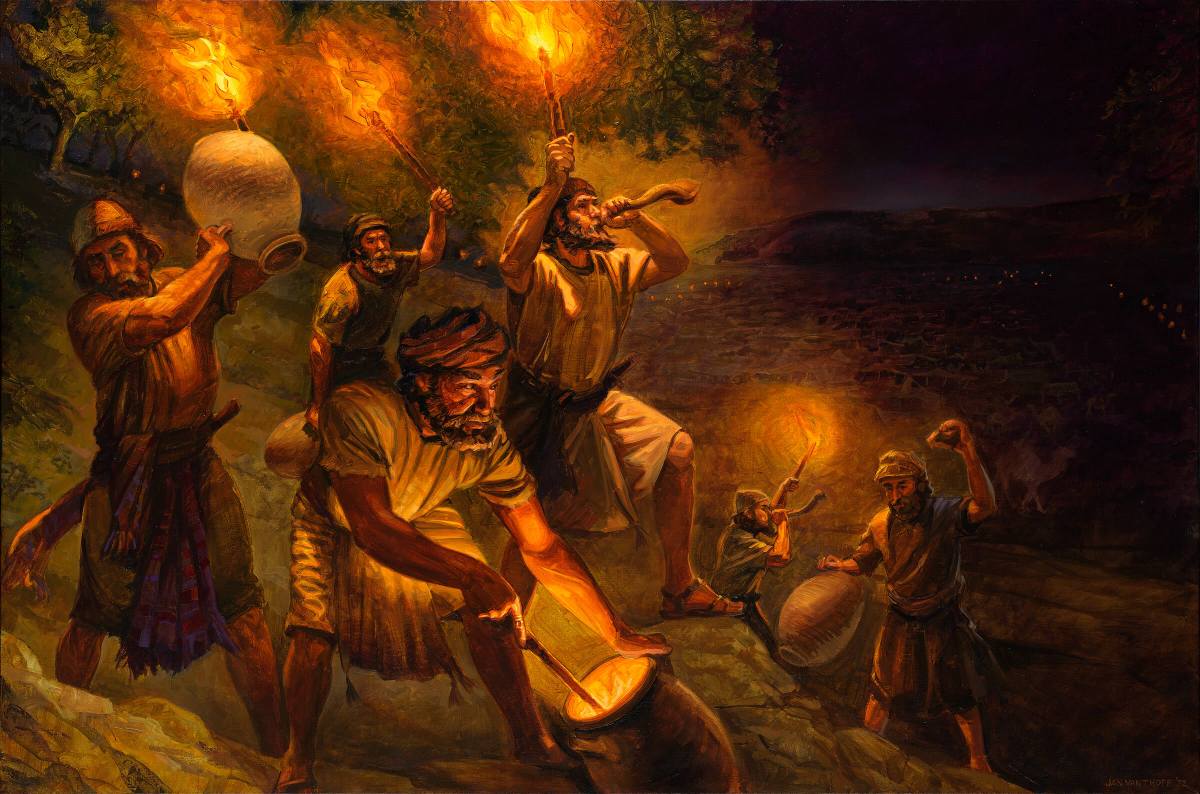
God’s provision though was going to require their involvement. It would start with the way they crossed the Jordan River where the people carrying the ark needed to get their feet wet in the river before it would stop flowing. And since this time, the river would now be the boundary of their new land, the people were instructed to set up a monument of twelve stones to be a reminder God’s provision. The next miracle which came soon after was the crumbling of the walls of Jericho which occurred after seven days of marching around the city. That miracle would be followed by others as the people of Israel continued to capture the cities.

According to the message that Yahweh shared with Abraham, the entry of Israel into the Promised Land meant that the sin of the Amorites had now reached its full measure. As with the time of Noah, that full measure would now end in the destruction of the inhabitants of the land, this time by the people of Israel. The danger to Israel would be, that if the current inhabitants of the land with their idolatries and atrocities, which included sacrificing their children to be burned alive, were allowed to live among the people of Israel, the people of Israel would be tempted to also turn from God.

So, beginning at Jericho, the people of Israel to instructed to “totally destroy” (Hebrew cherem)[1] the inhabitants of the city. This instruction would be repeated other times as well. The problem that would appear is that Israel did not always follow these instructions with the consequent result that Israel would continuously get drawn into the idolatries of the current inhabitants.

Before Joshua died, he challenged the people to serve Yahweh and the people responded that they would choose to serve Yahweh. Joshua replied that they could not serve Yahweh, the God who is so holy. Nevertheless, the people responded that they would serve Yahweh. Joshua then said that they were “witnesses against themselves.” They would be. In the end, they did not follow God’s commands to defeat the tribes in the Promised Land. They did not “completely destroy” the cities as they were told. Israel therefore allowed themselves to be subject to continual temptation to sin by turning from worshipping God and towards worshipping idols, participating in the same atrocities that God found so reprehensible.


[1] Lyon, William L. “Between History and Theology: The Problem of H9 Erem in Modern Evangelical Biblical Scholarship” Florida State University, dissertation Spring 2003

Reflect

Our culture has traditions like New Years’ Resolutions where we promise to make changes in our lives, yet 85% of resolutions fail.[1] What make us unsuccessful so often?


[1] Tabaka, Marla. “Most People Fail to Achieve Their New Year’s Resolution. For Success, Choose a Word of the Year Instead” Inc.com  www.inc.com/marla-tabaka/why-set-yourself-up-for-failure-ditch-new-years-resolution-do-this-instead.html

Observe

Read Deuteronomy 7:1-5.  Why do you think that the Israelites did not follow God’s instructions about destroying their enemies?

Courage and memory

Dancing in the Kingdom- Table of Contents

Dancing In the Kingdom – Part 1 – Shadows of the Kingdom – Chapter 7– Settlement

Courage and memory

[Bible references: Numbers 1; Deuteronomy 31:1-8; Joshua 1:1-9; Joshua 3-4; Joshua 5:13-14; Deuteronomy 6:10-12]

When the people of Israel first approached the Promised Land, twelve spies were sent out to scout out the land. Joshua and Caleb were the only two spies that did not bring back a report of discouragement. The discouragement brought by the other ten spies caused all the people of Israel to rebel against God as they forgot all the miracles of God’s provision in their flight from Egypt. This resulted in God subjecting the people of Israel to encamping in the wilderness for forty years. All the adults except for Joshua and Caleb, were subject to die in the wilderness before the people of Israel would enter the Promised Land.

It was therefore Joshua who was chosen to lead the people into the Promised Land at the end of the forty years. As before, the nation of Israel would encounter other people already living in the land, so Israel would need to fight for the land; it would not be easy. Before Joshua led his people into the land, God repeatedly said to Joshua, “Be strong and of good courage … do not be terrified or discouraged.” Then as a refresher, God also performed miracles as the people entered the land, causing the Jordan River to cease flowing to allow the people to cross on dry land – repeating the miracle of the parting of the sea as they fled Egypt.

Before Israel even left Egypt, the people were given gold and other wealth that was not theirs, the water from miraculously made springs and the manna that fell from the sky was not theirs. Now the homes and fields that God gave them to capture were the provision of God as well.

Reflect

Joshua was certainly encouraged when the nation crossed the Jordan River on dry land just as the nation crossed the Red Sea on dry land 40 years earlier. When trying to follow God, what encourages you?

Observe

Read Joshua 1:1-9. How might the instructions to Joshua help to give him courage?

A set-apart people

Dancing in the Kingdom- Table of Contents

Dancing In the Kingdom – Part 1 – Shadows of the Kingdom – Chapter 6– A nation emerges

A set-apart people

[Bible references: Exodus 23; Leviticus 11, 17; Deuteronomy 14; Hebrews 4:1-13; 10:24-25]

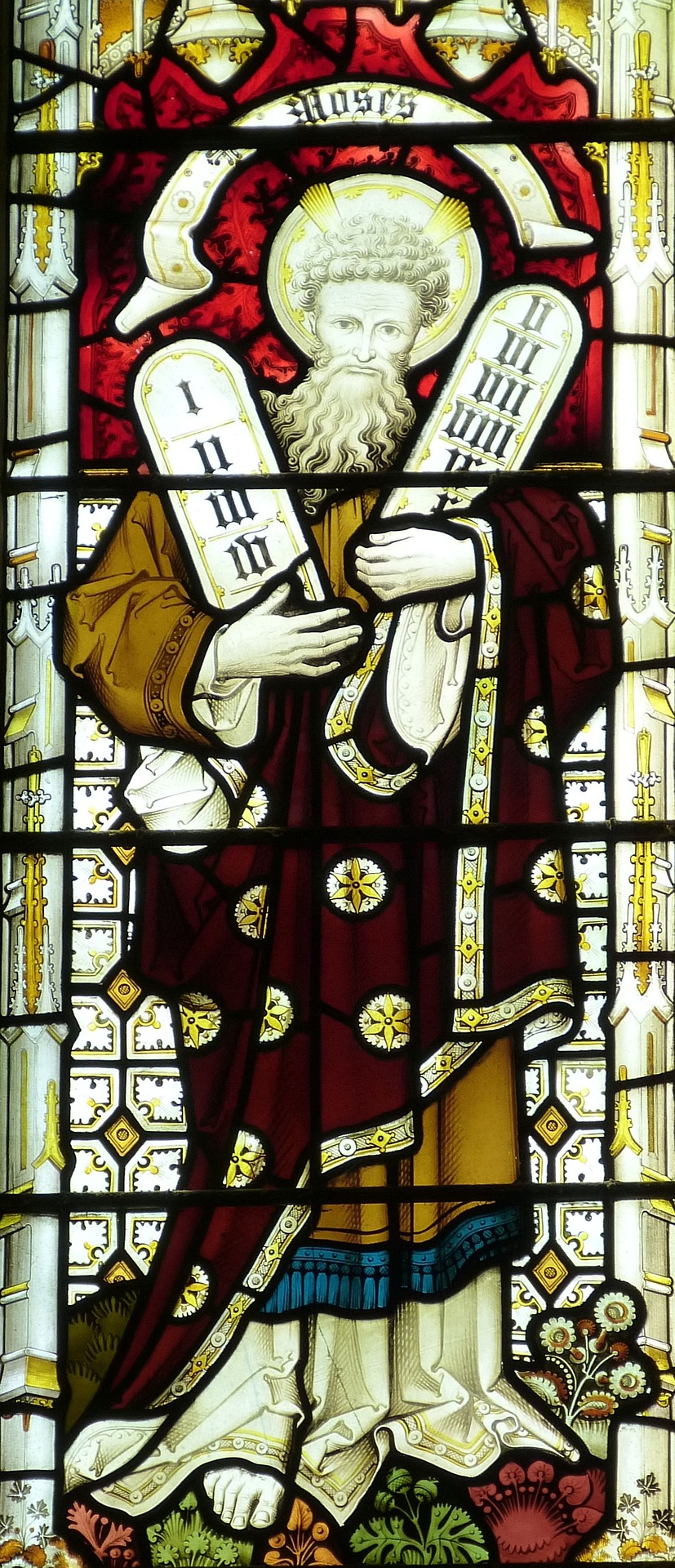
What does it mean to be created in the image of a holy God? What do we mean when we say, “God is holy?” We first encounter the term in Genesis 2:3 when God indicates that the seventh day will be made holy, the seventh day was to be set apart from the other days. When Moses encountered God’s presence in a burning bush, Moses was told to remove his sandals because the ground was holy. It was also God’s intention to make Israel a holy nation, set apart from other nations and through which all the nations on earth would be blessed.

There were a couple of ways in which the nation of Israel would be greatly distinguished from the nations around them, the food, and the calendar. There were some restrictions on the food they could eat (such as certain meats, fish, birds, and insects) and how they had to prepare their food that would have prevented them from intermingling with the peoples around them. But the calendar provides an even more distinguishing difference. While some cultures had recognized a seven-day calendar, it was the Israelites who set aside the seventh day of the week as a Sabbath on which no work was supposed be done. But that is not the only distinguishing characteristic of the calendar.

In the present day we have a universal calendar, and we prioritize journalistic chronology. That is, we remember historical events on the particular day that the events happened according to our calendar. For us, it is important for us to track events in the chronological order in which they happened. However, there are a few exceptions that we should note. Sometimes we don’t set aside remembrance days according to the actual date of the event but rather according to other values – for instance, we always celebrate days such as Martin Luther King’s birthday, not on his actual birth date, but always on a Monday because of our priority for extended weekends.

For the Israelite calendar, the priority was not chronology but liturgy. The remembrance days for events were not set according to the actual historical date on which they occurred but were set according to the liturgical calendar. This practice become clear when you trace out the timing of events in the Pentateuch (first five books of the Hebrew Bible) and compare them to the remembrance dates. It was more important to have events in the context of God’s activity rather than the contexts of the events themselves.

This concept provides the background for celebration of the Sabbath. The Sabbath was such an important concept for the Jews, that the account of creation in Genesis 1 was used to present the concept of Sabbath.[1] When we think about God’s creating activities, God did not need six days to carry out creation, nor did he need to stop working. So why do set up the remembrance of God’s creation in a seven-day timeframe? Once again, the important point is not the chronology but the liturgy.

The important point about the creation event was not the event itself, but what it was for. The purpose of creation was to create a “temple,” a place where God could be with his people. That’s the main point. “Resting” on the seventh day is not about “not working,” because God has not stopped doing things. The point of “resting” is to focus on doing what the temple was all about, which is to be with His people. For us to practice the Sabbath, the point is to be with God and join him in his creative work in the universe – the point is to be with God. When you look at Genesis 1-2, you will notice that the first six days have a defined beginning and end, an evening, and a morning. The seventh day, however, does not have a defined beginning and ending – that implies that we are in the seventh day. This “day,” or age, that we are in, is the “day” that we “rest” with God. It was intended at the beginning that all our activities done with, “at rest with,” God.

This brings us to a second distinguishing characteristic of the Jewish Biblical calendar: the first month was during the spring equinox, harvesting time, whereas in the surrounding cultures the first month of the calendar was set in the fall equinox, crop planting time. The difference in meaning was that since Israel’s year started with God’s work, the year begins God’s provision of the harvest which fed the nation and provided seed for the fall. This contrasted to the surrounding cultures which began their calendar with their work, so their year began with their work that provided for the next harvest.[2]

What can be confusing is that in current practice, Jews do not use the biblical (or liturgical) calendar but the civil calendar which places the first month in the fall instead of the spring. Christians do have an equivalent practice: our civil calendar begins in January, which was set by the Roman government and coincided with Roman elections whereas some in the Christian community observe a liturgical calendar which begins in the fall with the season of Advent.

The liturgical focus of the calendar with its de-emphasis of the chronology of historical events helps explain some interesting discontinuities and apparent conflicts in the Biblical text. If we allow the events described in Exodus to be interpreted liturgically instead of chronologically, we can make better sense of the flow of Exodus.

One of the “apparent conflicts” occurs in Exodus 19 when the Israelites arrived at Mount Sinai. At the beginning of the chapter, Yahweh made a covenant similar to the one with Abraham and declared that they were to be a “kingdom of priests,” and that all the Israelites were to prepare to go up the mountain after the sounding of the ram’s horn. And yet, at the end of the same chapter, Yahweh told Moses to not let the people, except thepeople designated to be priests, to go up the mountain. By noticing such apparent conflicts, we can better chronologically rearrange the events in Exodus so that they make better sense to chronologically minded folks such as we are.

A possible chronological arrangement of events looks like:[3]

  • The initial, Abrahamic-like covenant was given (including building earthen altars) followed by the Decalogue (10 Commandments).
  • The golden calf incident occurred.
  • There was a covenant renewal.
  • The code for priests was given along with instructions for building a tabernacle.
  • Another incident with idols, this time goats, was documented.
  • A Holiness code was given to the people.
  • The covenant is renewed again.

While the rearrangement may help us who are chronologically minded make better sense of the text, in the end we are left with Israel now being a nation with priests and the community centering its worship around a large tent called the Tabernacle. The liturgical intent of the text as it is written, is to focus on the immediate outcome, that Israel will be a nation under the Mosaic covenant, a nation with priests serving a holy God who may reside among them but who is not directly accessible. This is the necessary outcome until the Redeemer comes. The obscured intent was that Israel was meant to be a nation under the Abrahamic covenant, a nation of priests of faith, but now a nation that could not materialize until after the Redeemer comes. That is the present intent of the Christian community, by recognizing Jesus as our  Redeemer we can be a “nation” of priests serving a holy God who resides among us.

Worship at the tabernacle was a community event. No one could do this by themselves. Different people were assigned to different tasks, which not only included direct involvement in worship but also in the care of the tabernacle and its furnishings. Even one’s individual sins required the use of priest to handle the sacrifice. Before the tabernacle, offerings could be made by anyone, but with the tabernacle, only designated priests could perform the sacrificial offerings.

This arrangement continues the pattern of representing the holiness of God in creation. God’s image-bearing creatures are set aside from all other creatures; Sinful humans are separated from the Garden of Eden; Noah and his family are set aside in the ark from all other people; Abraham is set aside from all other people to usher in the blessing of all people; Moses is set apart from the other Israelites to see God face-to-face; the Levites are the tribe set apart from the other tribes to manage the care of the tabernacle; the priests are set apart from the other Levites to carry out the rituals in the tabernacle; the Sabbath is set apart from all the other days as a reminder of God’s provision– and the list goes on.


[1] LeFebvre, Michael. “The Liturgy of Creation: Understanding Calendars in Old Testament Context” Intervarsity Press 2019

[2] LeFebvre, Michael. “The Liturgy of Creation: Understanding Calendars in Old Testament Context” Intervarsity Press 2019

[3] Sailhammer, John. “Introduction to Old Testament Theology” (Appendix B) Random Publishing Theology 1995

Reflect

What does it mean that we are created in the image of a holy God?

Observe

Read Exodus 23:10-13. What is the purpose of the Sabbath observance?

Sacrifice and death

Dancing in the Kingdom- Table of Contents

Dancing In the Kingdom – Part 1 – Shadows of the Kingdom – Chapter 6– A nation emerges

Sacrifice and death

[Bible references: Genesis 4:4; 8:20; 36-39; Leviticus 1-7; Psalm 51; Romans 12:1-2; Hebrews 7:27-28]

God also gave detailed instructions about how and when to conduct the rituals surrounding the tabernacle. Burnt offerings[1] had been offered before the tabernacle was built but now there were additional offerings to be made.[2] In the case of all the offerings, something had to die. The cost of sin was death, and it takes death to restore one’s relation with God. Moreover, the animals presented for sacrifice for the burnt offerings needed to be pure and without blemish or defect.

These “perfect” sacrifices were pointing to our ultimate need for a truly perfect sacrifice made on our behalf. The sacrifice would have to be more than an animal with no visible blemishes. The sacrifice would have to be made by a perfect human whose identity would gradually and prophetically be revealed … a new “Adam” who would succeed where the first Adam failed.

Sacrificial death, though, can take a different form than we expect. In Psalm 51, David declares,

“For you will not delight in sacrifice, or I would give it; you will not be pleased with a burnt offering. The sacrifices of God are a broken spirit; a broken and contrite heart, O God, you will not despise.” (Psalm 51:16-17 ESV)

and Micah declares.

“With what shall I come before the LORD, and bow myself before God on high? Shall I come before him with burnt offerings, with calves a year old? Will the LORD be pleased with thousands of rams, with ten thousands of rivers of oil? Shall I give my firstborn for my transgression, the fruit of my body for the sin of my soul?” He has told you, O man, what is good; and what does the LORD require of you but to do justice, and to love kindness, and to walk humbly with your God?” (Micah 6:6-8, ESV)

and later, the apostle Paul declares,

“I appeal to you therefore, brothers, by the mercies of God, to present your bodies as a living sacrifice, holy and acceptable to God, which is your spiritual worship. Do not be conformed to this world, but be transformed by the renewal of your mind, that by testing you may discern what is the will of God, what is good, acceptable, and perfect. (Romans 12:1-2, ESV)

I have been crucified with Christ. It is no longer I who live, but Christ who lives in me. And the life I now live in the flesh I live by faith in the Son of God, who loved me and gave himself for me. (Galatians 2:20, ESV)

These passages indicate a sacrifice of dying to oneself, of laying one’s own interests aside for the sake of another … for the sake of Christ. A sacrifice not made to “make things right” with God but rather a sacrifice made because things are right.


[1] Hal, Doulos. The Fire Sacrifices and Offerings of Israel – The Burnt Offering” Impact Bible.org blogs 4 Apr 2020 blogs.bible.org/the-five-fire-sacrifices-and-offerings-of-israel-the-burnt-offering. Burnt offerings are sometimes called whole offerings (because none of the offering is put aside for eating) or ascent offerings.

[2] Tam, Stephen, “The Five Offerings in the Old Testament” Moses Tabernacle 2003-2018 www3.telus.net/public/kstam/en/tabernacle/details/offerings.htm ; Bible.org “The Law of Burnt Offerings” Bible.org bible.org/seriespage/law-burnt-offerings-leviticus-11-17

Observe

Read Psalm 51; Romans 12:1-2. We do not have a temple to make animal sacrifices. What we do have is the opportunity to offer ourselves as a daily sacrifice. What is meant by a broken spirit?

Law and Love

Dancing in the Kingdom- Table of Contents

Dancing In the Kingdom – Part 1 – Shadows of the Kingdom – Chapter 6– A nation emerges

Law and Love

[Bible references: Exodus 20:1-17; Leviticus 1-7; 19:18, 34; Deuteronomy 4:27-31; 6:1-6; Matthew 22:37-40; John 13:35; 1 Timothy 1:5]

The amount of killing carried out in the tabernacle to fulfill the necessary sacrifices would be a constant, grisly reminder of the cost of our sin. There were sacrifices to be made for many types of occasions: burnt (or ascension) offerings, sin offerings, guilt offerings and others. There was much bloodletting from the many animals sacrificed on the altar, a constant reminder of the cost of our sins.

In addition to the rules of the tabernacle, God also gave other rules that covered other areas of life. Most of us are familiar with the moral code we know as the ten Commandments, but there were many other laws that covered other situations as well. Of the 603 other rules (mitzvot) that can be found,[1] they can all be summarized in the commands: Love God with all your heart, soul, mind, and strength; Love your neighbor as yourself. Whether in the ten commandments or in the other 603 mitzvot, all the rules are predicated on love, thankfulness and pleasing one another. All the instructions point to practical ways for us to love God and one another.[2]


[1] Judaism 101, “List of the 613 Commandments” Judaism 101 www.jewfaq.org/613.htm

[2] Isaacs, Ronald H. “Rabbinic Reasons for the Mitzvot” myjewishlearning.com www.myjewishlearning.com/article/rabbinic-reasons-for-the-mitzvot/; Messianic Jewish Bible Society “Love and the Hebrew language” Messianic Jewish Bible Society free.messianicbible.com/feature/love-and-the-hebrew-language/; Levinson, John D. “The Shema and the Commandment to Love God in its ancient context” The Torah www.thetorah.com/article/the-shema-and-the-commandment-to-love-god-in-its-ancient-contexts

Reflect

If you had to live through the experience of seeing many animals slaughtered as sacrifices for the sake your sins and others’ sins, how would that affect your thinking?

Observe

Read Leviticus:19:18, 34; Deuteronomy 4:27-31. What practical things do these passages suggest about how to love?

Art and artists

Dancing in the Kingdom- Table of Contents

Dancing In the Kingdom – Part 1 – Shadows of the Kingdom – Chapter 6– A nation emerges

Art and artists

[Bible references: Exodus 20:4-6; 31:2-3; 35:4-9,32-35; 36:1-7]

The instructions are quite detailed. The materials used to build the tabernacle were gifts given to the Israelites as they left Egypt. Those materials were then freely shared to be used as materials used to construct the tabernacle. God dedicated the workmen for building the various parts of the tabernacle, filling them with his Spirit and then giving the skills and abilities they needed. God gave everything needed for the construction of the tabernacle. Between the detailed instructions, the materials provided by the Egyptians and the skills of the craftsmen, the tabernacle would be a beautiful work of art. Although the Israelites were told not to make graven images to worship as idols, that obviously did not mean that they couldn’t create works of art, in this case works that would be used to enable worship.

Observe

Read Exodus 20:4-6; 31:2-3; 35:4-9,32-35; 36:1-7. What kinds of arts and crafts went into the construction of the tabernacle?

The Tabernacle, shadow of something greater

Dancing in the Kingdom- Table of Contents

Dancing In the Kingdom – Part 1 – Shadows of the Kingdom – Chapter 6– A nation emerges

The Tabernacle, shadow of something greater

[Bible references: Exodus 25-27; Numbers 2; Hebrews 8:1-18; 10:1-18]

During the time in the wilderness, God instructed the Israelites to build a tabernacle that would serve as the point of presence for Yahweh in the community. Through the tabernacle, God would be seen both as an unapproachable and transcendent God[1] and as a personal, immanent God living among his people.[2] The tabernacle would serve to display the shadow of a deeper reality.


[1] The Holy of Holies could only be accessed once a year and only by the high priest.

[2] The presence of God was indicated by the pillar of fire by night and smoke by day where the people could see it. Also, Moses was able to have face-to-face contact with God.

Reflect

For the nation of Israel, the tabernacle and its rituals provided a visible reminder of that the presence of God was among them, but God was still not accessible except once a year by the high priest. Does God seem like that to you?

Observe

Read Hebrews 8:1-18; 10:1-18. What were the Tabernacle and the Old Testament Laws designed to point to?

Discipline, Miracles, and Death

Dancing in the Kingdom- Table of Contents

Dancing In the Kingdom – Part 1 – Shadows of the Kingdom – Chapter 6– A nation emerges

Discipline, Miracles, and Death

[Bible references: Genesis 15:13-14; Exodus 7-11; 12:31-36; 13:17-22; 16; 17:1-7; 20; 32; Numbers 13-14]

Miracles abounded.

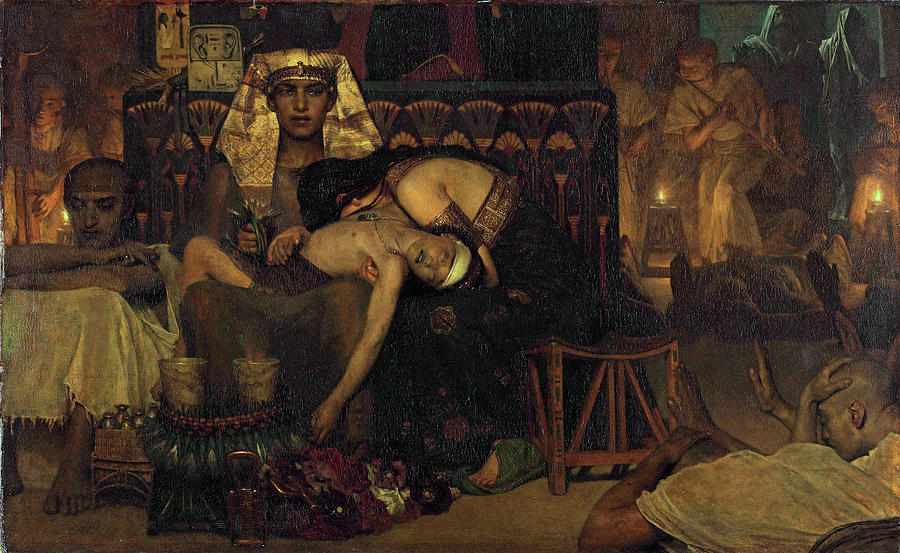
There were the ten plagues that God brought upon the Egyptian captors to show the Pharaoh that Yahweh was not just a local God in Canaan but that His power extended over all creation, even in the land of the Egyptian gods. In the process, the Pharaoh’s own heart continued to harden against Yahweh to the point where God would seal the Pharaoh’s fate and further harden the Pharaoh’s heart. In the end, it took the killing of the firstborn of Egyptian families, including the family of the Pharaoh to convince the Pharaoh to let people of Israel go. And even more, the people of Egypt also supplied the people of Israel with great wealth as they left. Some Egyptians even joined the people of Israel in their flight.

Then there was the miracles of the pillars of cloud and fire, which would continue until the nation entered the Promised Land, and the miracle which let Israel cross the Red Sea on dry land followed by the drowning of the Egyptian army. The pattern of punishing a nation that was used to discipline the people of Israel would be repeated throughout Biblical history.[1]

Once on their way, the Israelites experienced more miracles: a mountain enshrouded in a cloud where Yahweh talked with Moses and gave Moses the Commandments and other rules; manna and quail falling from the sky; springs of water in the desert. Despite seeing all those miracles, Israel wasn’t ready to have Yahweh lead them into the Promised Land to face the obstacles there, so God had them encamp in the wilderness for 40 years until all the adults who refused to trust Yahweh died. So many deaths must have happened, but scripture barely mentions them. Here we will see, not for the last time, that seeing miracles not only did not change hearts but that, even now, despite all the evidence that we see, that all our hearts seem predisposed to turn away from God.


[1] Ex: Egypt (Genesis 15:13-14), Babylon (Isaiah 13, 21,23),  and Assyria (Isaiah 10, 14; Zephaniah 2) were all used by God to discipline Israel

Observe

Read Exodus 8-10. In the narrative of the 10 plagues, several times we are told that Pharaoh hardened his heart, but then there came a time when Yahweh reinforced that trajectory and Yahweh hardened the Pharaoh’s heart. What kind of warning might that be?

Fullness of time

Dancing in the Kingdom- Table of Contents

Dancing In the Kingdom – Part 1 – Shadows of the Kingdom – Chapter 6– A nation emerges

Fullness of time

[Bible references: Genesis 15:16; Exodus 2-4; 7-11; Galatians 4:1-7; Ephesians 1:1-14]

The emerging story of the chosen people of God becoming a nation started slowly: Abraham and one child of the promise, Isaac, who had two children, only one through which the promise would come, Jacob, who then had had thirteen children. But it would take time for that family to grow into a size that could be called a nation – and that took a couple hundred more years – in which time the “sin of the Amorites would reach their full measure.”

Although the Bible does not specifically mention it, there may have been other things that God was waiting to happen such as the development of the Israelite community and the consequent interaction of the Israelite community with the Egyptian community during the Israelite captivity. God allowed events to gradually unfold until “the fullness of time” came for God to orchestrate a dramatic release of the Israelite community. This event would serve as a foreshadowing of another event, the spiritual release of all peoples from slavery to sin.

So it was, that in the fullness of time, when the sin of the Amorites reached its full measure,[1] Yahweh called Moses to release the enslaved Israelites from Egypt to bring Israel back to the Promised Land.


[1] White, James Emery. “Is God a Moral Monster? The Slaughter of the Canaanites” Church&Culture 22 Oct 2020 www.churchandculture.org/blog/2020/10/22/is-god-a-moral-monster

Reflect

Often, when we are younger, we think we know everything. But most of the time, we discover over time that we need maturing – to grow in wisdom – a process that takes time and experience. What things have you learned through time and experience?

Observe

Read Genesis 15:16; Galatians 4:1-7. What do these verses tell us about God’s sense of timing?

Process is important

Dancing in the Kingdom- Table of Contents

Dancing In the Kingdom – Part 1 – Shadows of the Kingdom – Chapter 6– A nation emerges

Process is important

[Bible references: Genesis 15:12-21; Exodus 1:1-22; 11:1-10; 12:31-37]

After Joseph and the Pharaoh who knew him died, the growing nation of Israel became enslaved in the land of Egypt just as it had been foretold to Abraham. There are various questions that surrounded the captivity of Israel in Egypt:

  • When there was a drought, why didn’t Yahweh provide for the Israelites in Canaan instead of having them go to Egypt?
  • If they needed to be in Egypt, why did they need to be enslaved instead of just living there as guests?

We know that Yahweh told Abraham that a great nation would come from him and that they would be given the land of Canaan to live in. But why the side-trip into Egypt and why the slavery? The only reason given to Abraham was that “the sin of the Amorites was not yet reached its full measure.” 

The reason given to Abraham for being in Egypt follows a general pattern. Although God occasionally supernaturally intervenes in the course of events, it seems that God most often allows natural, normal processes to take place, whether they be physical, psychological, sociological etc. We see that process in living things: plants, animals, and even ecosystems grow through specific physical processes[1]. Even the great flood in Noah’s time only occurred after evil gradually, through normal psychological and sociological processes, eventually reached a particular threshold.


[1] Natural, physical processes are so well fixed and so well understood that they have become known as scientific laws.

Reflect

Joseph’s discipline involved finding God in the midst of difficult circumstances and discovering how God could use him there. Are there any difficult circumstances you struggle with? Have you found God at work in your life in those circumstances?

Observe

Read Exodus 11:1-10; 12:31-37. How did Yahweh provide for Israel as they left Egypt?

Dreams come true

Dancing in the Kingdom- Table of Contents

Dancing In the Kingdom – Part 1 – Shadows of the Kingdom – Chapter 5– Patriarchs

Dreams come true

[Bible references: Genesis 15:12-21; 42-46; 50:15-21]

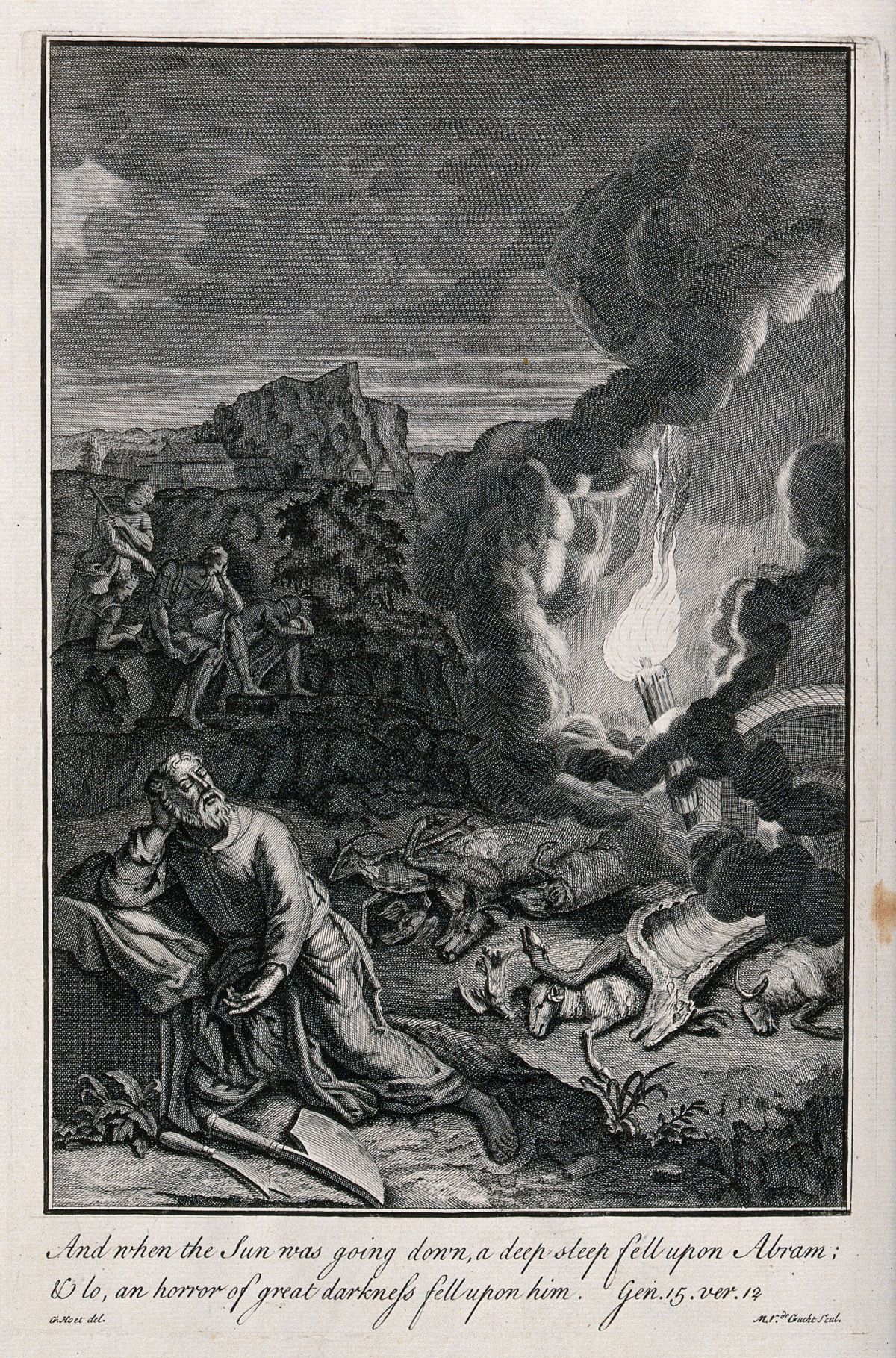
The drought extended up to the Promised Land where Israel was living. This gave the opportunity for Joseph to invite Israel and all the rest of the family to come to Egypt so that Joseph could support them. Joseph was able to see that while his brothers had intended to harm him, Yahweh was able to turn their evil intentions into a good thing. For a moment, Egypt seemed to be promising, but it wasn’t the final destination – it wasn’t the Promised Land. In fact, this provided the setting that Yahweh had revealed to Abraham in a troubling dream, that his descendants would be strangers in a land not their own and that dark times lay ahead before they would finally return to the Promised Land.

Observe

Read Genesis 50:15-21. Back in Canaan, Joseph used his dreams to put down his brothers, who responded by selling him into slavery. But when it came time for the dreams to be re-enacted in real life, he had a different attitude about those dreams. How does Joseph’s experience affect the way you view the events of life?

Bloom where you are

Dancing in the Kingdom- Table of Contents

Dancing In the Kingdom – Part 1 – Shadows of the Kingdom – Chapter 5– Patriarchs

Bloom where you are

[Bible references: Genesis 39:21-23; 40; 41]

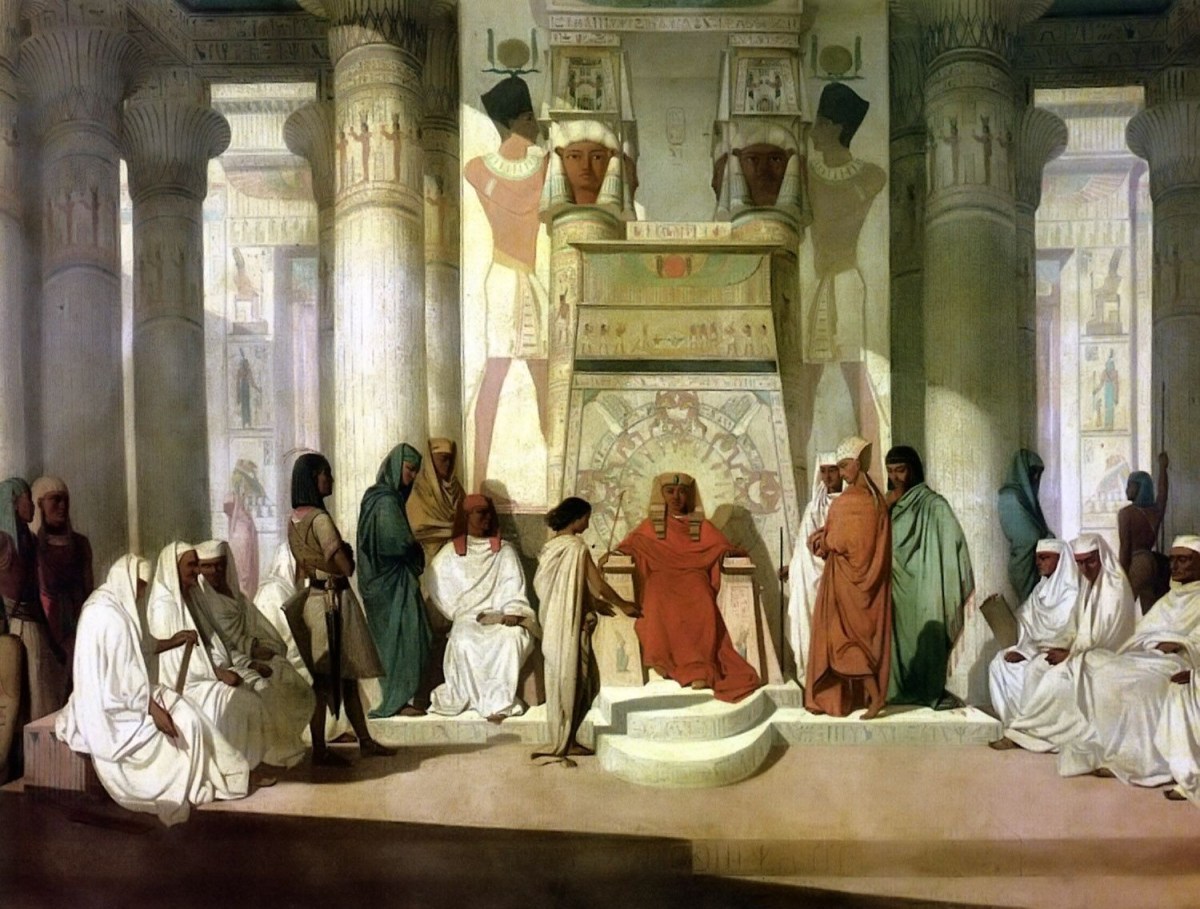
While Joseph was in prison, Yahweh continued to cause Joseph to prosper, inspiring the warden to entrust many things to Joseph. A couple of the prisoners had dreams to which Yahweh gave Joseph the interpretations. The predictions Joseph revealed to the prisoners did come true. Sometime later, when the Pharaoh had dreams that he wanted to have interpreted, he was informed about Joseph. Through the help of Yahweh, Joseph was able to interpret the Pharoah’s dreams as well. This led to Joseph being put in second-in-command to the Pharaoh through which he was able to oversee the harvesting and the storage of grain in preparation of a coming seven-year drought.

Observe

Read Genesis 37; 39-41. Because Joseph was the oldest son of Jacob’s favorite wife, Jacob made Joseph his favorite son – and spoiled him. It didn’t help when Joseph flaunted some dreams in front of his brothers who then found an opportunity to sell him as a slave. How did the hardship of slavery mold Joseph’s character?

Discipline and character development

Dancing in the Kingdom- Table of Contents

Dancing In the Kingdom – Part 1 – Shadows of the Kingdom – Chapter 5– Patriarchs

Discipline and character development

[Bible references: Genesis 37:1-11, 28-36; 39:1-20: 50:20]

Of Jacob’s 12 sons, Joseph was the most notable. Joseph was treated as Jacob’s favorite son and consequently developed a sense of self-importance which caused his brothers to become jealous. That led his brothers to sell him off to merchants traveling to Egypt where Joseph was sold as a slave to a captain of the Pharaoh’s guard. Yahweh blessed Joseph as the captain’s slave so that Joseph prospered in whatever he took care of, inspiring the captain to trust everything to Joseph. However, an unjust charge by the captain’s wife caused Joseph to be imprisoned.

Observe

Read Genesis 37, 41, 40. Joseph’s discipline involved finding God in the midst of difficult circumstances and discovering how God could use him there. Are there any difficult circumstances you struggle with? [1]

[1] One goal in the Benedictine order is stability. The idea is that God is everywhere and if you can’t find him where you are then you won’t find him anywhere. deWaal, Esther. “Seeking God”)

Nation of wrestlers

Dancing in the Kingdom- Table of Contents

Dancing In the Kingdom – Part 1 – Shadows of the Kingdom – Chapter 5– Patriarchs

Nation of wrestlers

[Bible references: Genesis 31:25-45; 28:3-4; 27:42-45; 28:10-22; 32:22-32; 35:22-26; 30:21; 32:1-5]

After the deception of Isaac, Jacob’s would continue his pattern of deception. Yet, despite that character flaw, God would continue to bless Jacob with success just as he had blessed Abraham and Isaac. Jacob’s deceit with Isaac and Esau forced him to leave home and visit his uncle Laban, in Haran for many years. On the journey to Laban, Yahweh shared with Jacob the promise he made with Abraham and with Isaac, that “all the people on earth would be blessed through you.”

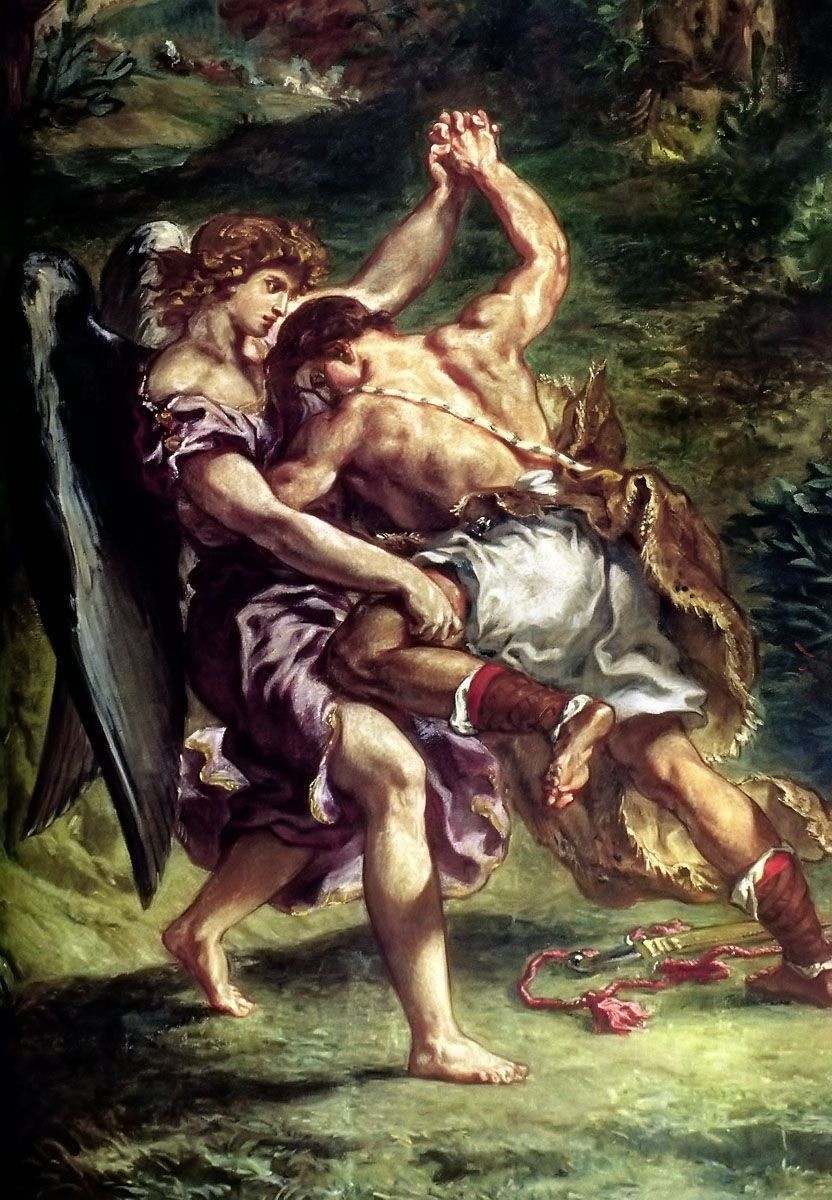
While staying with Laban, Jacob would continue his deceit to take advantage of Laban, although Laban would try return the favor. Jacob left Laban to return to the Promised Land, Jacob found himself in a wrestling match with a man that Jacob learns was God.[1] During that struggle, Jacob was forced to confess his character by admitting that his name means “deceiver,” after which the “deceiver” was given a new name, Israel (which means “wrestles with God”). Wrestling with God became a hallmark of Israel’s descendants.[2]


[1] Sproul, RC “A Wrestling People” Ligonier Ministries ligonier.org/learn/devotionals/wrestling-people

[2] Although there are many examples of people questioning God, the Psalms contain many examples.

Reflect

God is able to fulfill his purposes as we wrestle with him. Do you feel compelled to wrestle with God about anything?

Observe

Read Genesis 32:22-28. A rabbi once said that “In Judaism, not having questions is not a sign of faith but of lack of depth.” How does wrestling with God strengthen instead of weaken our faith?

A higher order

Dancing in the Kingdom- Table of Contents

Dancing In the Kingdom – Part 1 – Shadows of the Kingdom – Chapter 5– Patriarchs

A higher order

[Bible references: 1 Samuel 3-4, 15-16; Matthew 8:5-13]

The case of Jacob and Esau is not the only example where Yahweh would choose to upset the common order of things. In this case, it was side-stepping the normal primogeniture and instead having the older sibling serving the other sibling. In other times it would be stronger serving the weaker, or sons being displaced by someone outside the family. This occurred when Samuel became high priest after Eli instead of Eli’s sons and when David became king after Saul instead of Saul’s son. In all these cases, we see God preparing someone new to lead while he arranged to end another’s leadership.

Reflect

Sometimes what looks like chaos to us is actually a pattern that we haven’t figured out. One example is encoded messages – we can’t read them without knowing the underlying order. What patterns from God confuse you?

Observe

Read 1 Samuel 3-4, 15-16; Matthew 8:5-13. The role of priest passed down from generation to generation, but God interrupted the process at least twice. How did that prepare the way for this story in Matthew?

Deceit instead of faith

Dancing in the Kingdom- Table of Contents

Dancing In the Kingdom – Part 1 – Shadows of the Kingdom – Chapter 5– Patriarchs

Deceit instead of faith

[Bible references: Genesis 25:29-34; 25:23; 27:1-40]

The biblical descriptions of Jacob and his twin brother Esau are not flattering. Esau is the older twin brother, but for a pot of porridge Esau was willing to give up his birthright. Later on, Jacob conspired with his mother, Rebekah, to deceive Isaac so that Jacob would receive the primary blessing from Isaac, instead of Esau.  Later on, Jacob would act deceitfully with his uncle, Laban. Then, like his father, Jacob would play favorites with his wives and his children.

Observe

Read Genesis 25:21-34; 27:1-40. The family dynamics in Isaac’s family were typically messy and complicated as many real families are and yet God will carry out his purposes. How can we use the example of Isaac and his family to give us confidence that God is able to carry out his purpose for us?