Songs and reflections of the heart

Dancing in the Kingdom- Table of Contents

Dancing In the Kingdom – Part 1 – Shadows of the Kingdom – Chapter 9 – The Prophets and writings

Songs and reflections of the heart 

[Bible references: Psalm 1, 2, 3, 8, 11, 32;l Song of Songs]

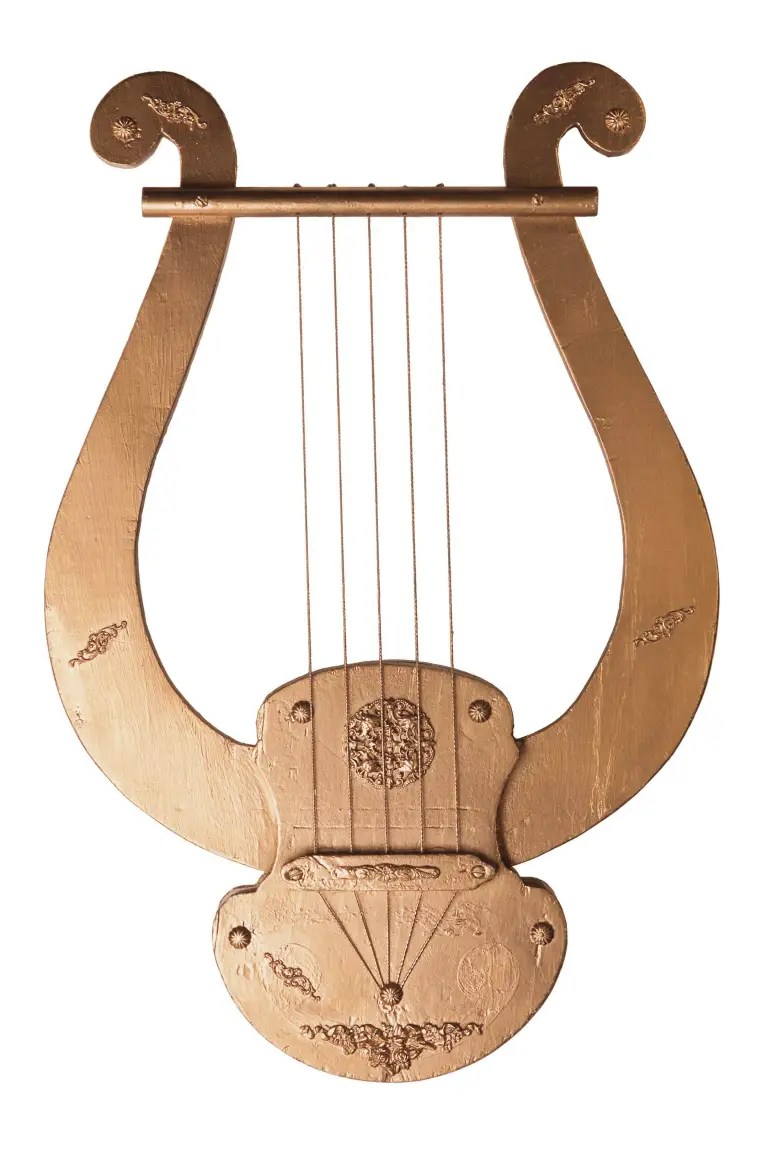
As creatures made in the image of the Creator, it is self-evident that we cannot avoid creating. We are also creatures that are born to worship, as evidenced by our popular culture. When we put those together, we get a work like the Psalms,[1] a book of poetry which was set to music. The psalms are a collection of praise songs written by various people, songs that reflect the thoughts of those people experiencing life with all its emotions in a broken world.

In addition to musical notations, several psalms have notations indicating the events which inspired the writing of those psalms or the kind of occasion that the psalms are used for. As poetry, the psalms use various poetic devices such as parallelism, acrostics, and figures of speech.[2]

The Psalms express various themes such as the character of God, the experience of people, the worship of God, lament, petitions for help, confession of sin, praise and thanksgiving, expressions of wisdom.[3] The emotions expressed in the Psalms are sometimes very raw with feelings of abandonment, questions of God’s provision, hatred, and vengeance. The inclusion of the full range of human expression is an acknowledgement of the reality of the human experience and an affirmation of being honest with God about our feelings while placing all of that in the context of a just and merciful God who is worthy of praise.

The Psalms are not the only place where poetry can be found in the Old Testament. There is poetry that can also be found in various portions of other books of the Bible. There is even one book of the Bible that is entirely a poem/song, The Song of Solomon (aka Song of Songs) which is a positive and passionate expression of marital love.

In addition to the expressions of wisdom that are found in the Psalms, there are other places where expressions of wisdom are found. The pair of books, Proverbs and Ecclesiastes, show the benefits of and limits of wisdom. Solomon was the author of Ecclesiastes and was the primary author of Proverbs. In 1 Kings 3-4, Solomon requests and is granted much wisdom to rule the nation of Israel. That wisdom is reflected in Proverbs as a collection of rules to live a good life. On the other hand, Ecclesiastes reflects the limits of wisdom in finding the meaning of life.


[1] The Hebrew name of the book is Tehillim, which means praise songs.

[2] Cole, Steven J. “Psalms An Overview: God’s Inspired Hymnbook;” Nally, Joseph R. “Overview of the Book of Psalms” Bible.org bible.org/seriespage/psalms-overview-god%E2%80%99s-inspired-hymnbook 

[3] Postoff, Matt. “Categorizing the Psalms” Fellowship Bible Church of Ann Arbor 21 Nov 2014 fbcaa.org/MAPBlog/PsalmsCategories.pdf

Reflect

In this day, we create songs and books of wisdom. We may not be writing scripture itself, but we are expressing ourselves in worship in the way that God has designed us. How do you express yourself to God?

Observe

Read Song of Songs. This passage is not discussed much in the church while our culture defines sexuality on its own terms. How can the church use this book?
Return and Remembrances

Dancing in the Kingdom- Table of Contents

Dancing In the Kingdom – Part 1 – Shadows of the Kingdom – Chapter 9 – The Prophets and writings

Return and Remembrances

[Bible references: Deuteronomy 34:10; 2 Chronicles 36:23; Ezra 1, 2; 6; 7; 9-10; Nehemiah 1-2; Haggai; Zechariah 8; Malachi 1:6-14; 2:10-16; 3:6-9; 4:1-6]

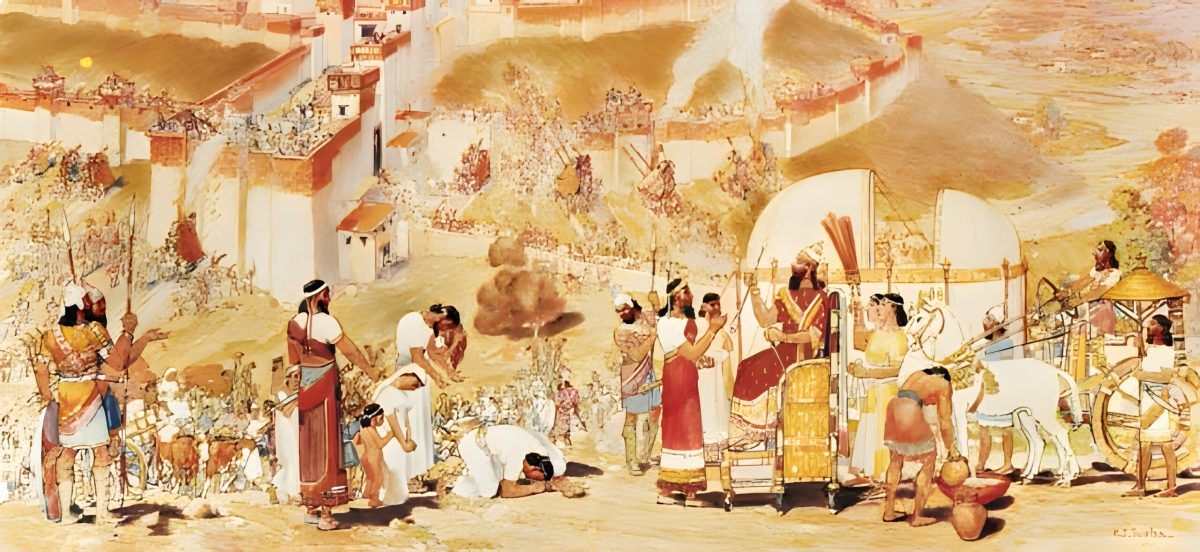
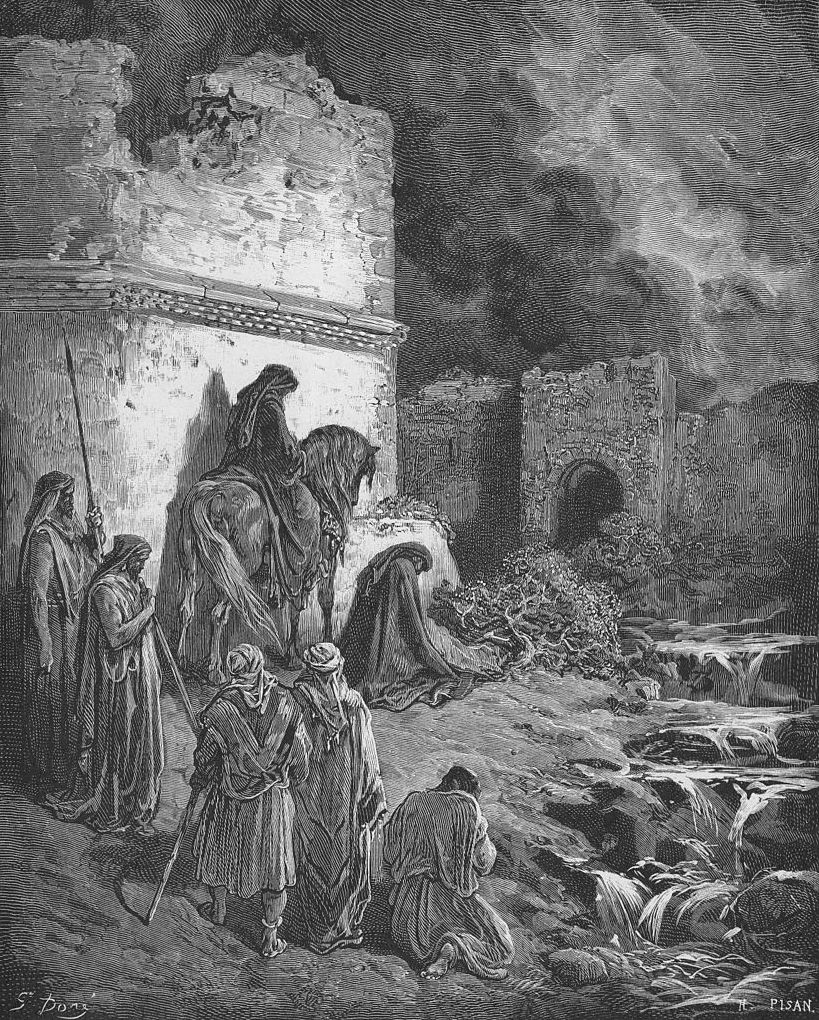
Assyria scattered the Northern Kingdom throughout their empire. Then the Babylonians overran Assyria but also captured Jerusalem and took the prominent citizens into exile. After the 70 years in captivity prescribed by God had passed, the Persians overran Babylonia, and they allowed the Jews to return to their homeland. The first batch of returnees went back with Zerubbabel to Jerusalem to rebuild the temple. A second batch would go back to Jerusalem with Ezra who confronted the Jews about their failure to keep separate from the nations around them. A while later, Nehemiah would go back to Jerusalem to rebuild the walls. And yet, with all the returnees, the majority of the Jews chose to remain in Babylonia – and even today, most Jews live outside the Promised Land.[1]

Only a remnant of Israel returned to the Land of the Promise, but the land was ruled by foreigners.  The temple was rebuilt but was only a remnant of the temple built by Solomon – which caused the people old enough to remember the former temple to weep. On the face of it, the Promise did not look promising. There must be something more. God had promised to bless the world through Abraham, but this remnant of the Davidic kingdom did not look poised to bring that promise. Israel was still waiting for the prophet “like Moses” to arrive.

But God did not choose Israel because it was the strongest kingdom. And Israel’s history is full of examples of God choosing to guide His people with the one who was thought weaker or the one who was younger. And there always seemed to be reminders that God was working in spite of Israel’s failures:

  • In a reminder of God’s provision, in all the returns to Jerusalem, the rulers of the Persian empire strongly supported the returns of the Jews who were given what they needed. God even provided prophets to encourage the Jews.
  • In a reminder of the times when contributions were needed to build the tabernacle, those who did choose to return to the Promised Land with Zerubbabel willingly contributed from the provisions given to them by the Persians to the rebuilding of the temple.
  • In a reminder of their own abilities to follow Yahweh, when the Jews first returned to the Promised Land they ended up once more intermarrying with the non-Jews and practicing their idol worship. So, when Ezra came to Jerusalem, he had to lead the Jews to repentance and to put away their foreign wives.

In the time of exile, the people of Israel compiled the writings of the prophets to serve as their scripture and discovered how to follow God without a system of animal sacrifice. In the time of their return to the promised land the people of Israel listened to that scripture and repented of their ways. And as the people of Israel waited for a prophet like Moses, God was still moving, working to fulfill His plan and His promises.


[1] Jewish Virtual Library “Vital Statistics: Jewish Population of the World (1882 – Present)” )” Jewish Virtual Library www.jewishvirtuallibrary.org/jewish-population-of-the-world

Observe

Read Malachi 4:1-6. This is the last passage written by the last prophet before Jesus would come. Even now at Passover celebrations, a place is set at the table for “Elijah.” In the Christian understanding, who is the “Elijah” that was prophesied to come?

Worship in exile

Dancing in the Kingdom- Table of Contents

Dancing In the Kingdom – Part 1 – Shadows of the Kingdom – Chapter 9 – The Prophets and writings

Worship in exile

[Bible references: Jeremiah 29:1-23; Daniel; Esther; Ezekiel]

During this exile, the Jews, as they would now be called, had to become more deliberate if they were going to preserve their culture. It was during this time that the Jews would begin to collect all their writings in order to begin to determine what would be their scripture. They had the writings of Moses, but they had to determine what else should be included.[1]

During this time, they focused more seriously on worshipping Yahweh. Before this time, the biblical and archeological records indicate that Israel had a habit of adopting the worship of any idols of the culture they were in contact with.[2] But now they had to preserve their culture while living amid a dominant foreign culture.

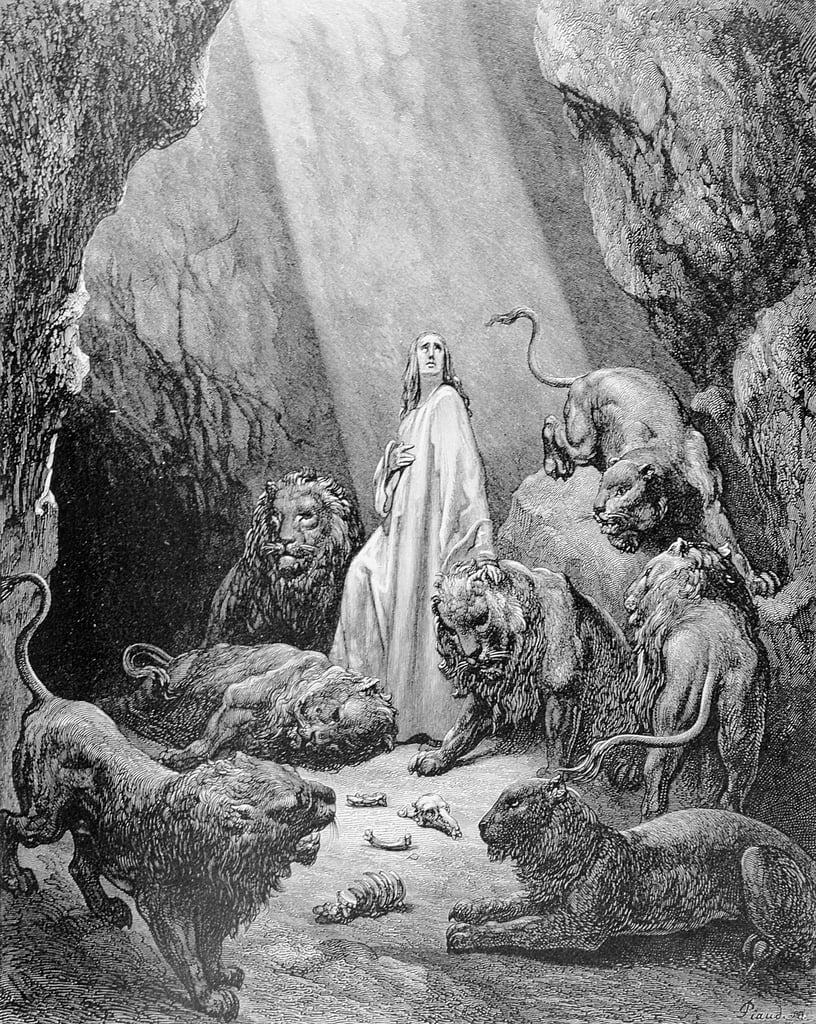
The books of Daniel, Esther and Ezekiel give examples of how the Jews were able to thrive, even while experiencing opposition while the nation was in exile: Daniel as an exceptional administrator, Esther as queen to the emperor and Ezekiel as a prophet.

From this time forward, most Jews have remained outside their homeland with no access to the one temple in Jerusalem. It was during this time that local synagogues were created, with worship now being focused either in the home or at the synagogue.[3]


[1] Waltke, Bruce. “How We Got Our Old Testament” Christianity Today, Christian History www.christianitytoday.com/history/issues/issue-43/how-we-got-our-old-testament.html; Hirsch, Emil G. Blau L, Kohler, Kaufmann. Schmidt, Nathaniel “Bible Canon” My Jewish Encyclopedia, www.jewishencyclopedia.com/articles/3259-bible-canon

[2] Gayle, Damien. “How idolatry continued in the Kingdom of Judah: Israeli dig uncovers temple and icons dating back to Old Testament era” Dailymail.com 27 Dec 2012 www.dailymail.co.uk/sciencetech/article-2253695/How-idolatry-continued-Kingdom-Judah-Israeli-dig-uncovers-temple-icons-dating-Old-Testament-era.html

[3] Bacher, Wilhelm and Dembitz, Lewis N. “Synagogue” Jewish Encyclopedia www.jewishencyclopedia.com/articles/14160-synagogue

Observe

Read Jeremiah 29:1-23. What did Jeremiah say that the exiles were to do while they were in exile?

Judgement Unfolds

Dancing in the Kingdom- Table of Contents

Dancing In the Kingdom – Part 1 – Shadows of the Kingdom – Chapter 9 – The Prophets and writings

Judgement Unfolds

[Bible references: I Kings 6:12; 2 Kings 17, 25; 2 Chronicles 36:15-16; Jeremiah 25:11-12]

The covenant God made with Israel had the proviso “if you follow my commands.” Israel continually demonstrated its inability to do that[1] and God’s judgment followed. The nation of Israel would suffer the consequences. The first sign of the consequences manifested itself in the splitting of Israel into two kingdoms.

After that, the northern kingdom of Israel was the first to collapse in 722 BC with the invasion of the Assyrians whose policy was to scatter the captured inhabitants throughout their empire and replace them with Assyrians. These northern tribes seem to have been totally assimilated into the Assyrian empire and would not be heard from again in history.

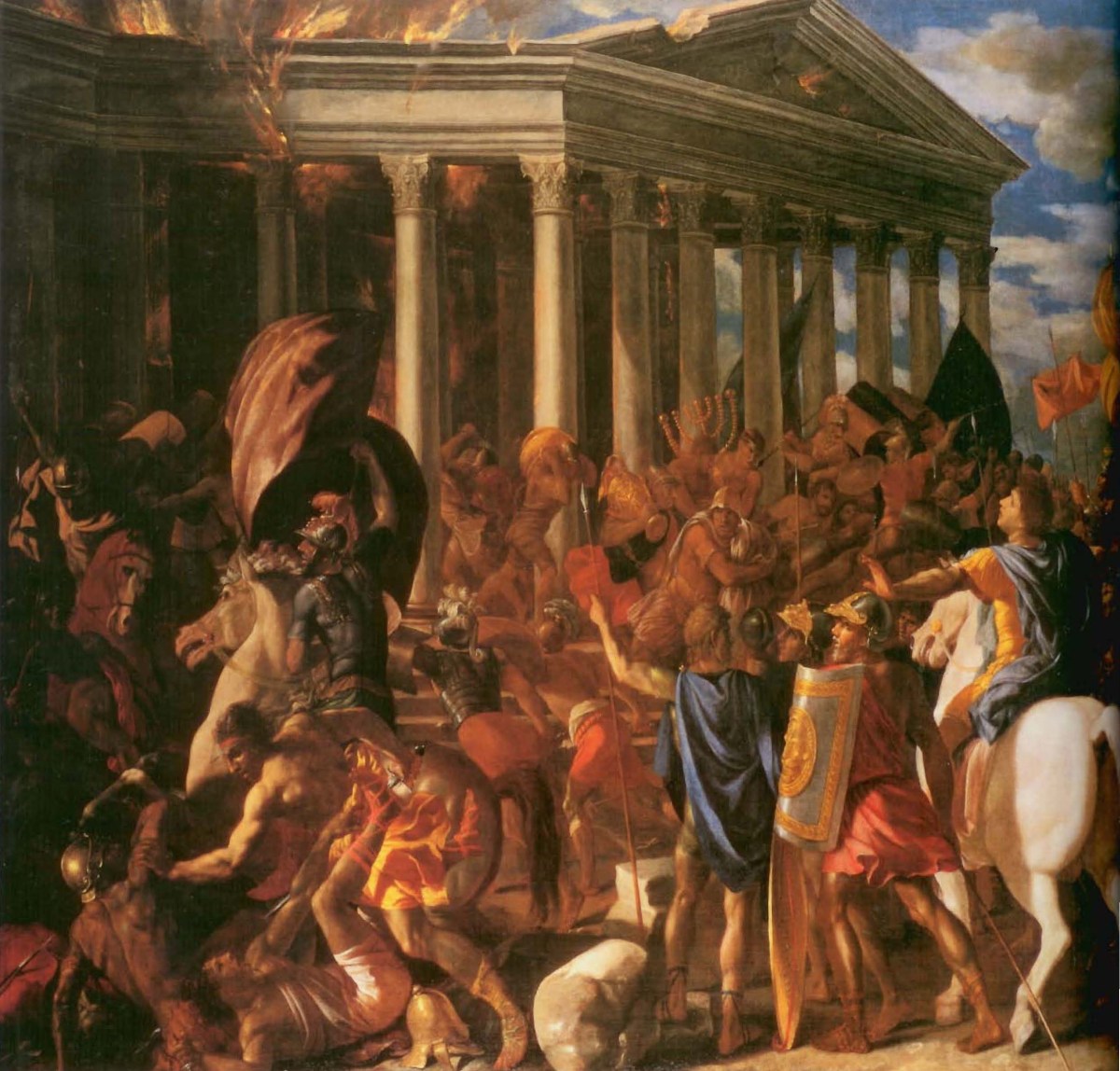
In 586 BC, the Babylonians conquered the southern kingdom of Judah. The best and the brightest of Judah were taken as captives to the capital of Babylonia for “retraining” so that they could contribute to the Babylonian society. It was at this point that the nation of Israel would now be referred to Jews. It was from this point on that, despite the return of some of the Jews to their homeland, most Jews would now be living outside their homeland.


[1] Margalit, Ruth. “In Search of David’s Lost Empire” The New Yorker 22 June 2020 www.newyorker.com/magazine/2020/06/29/in-search-of-king-davids-lost-empire; Syace, A.H. “Polytheism in Primitive Israel” The Jewish Quarterly Review Oct 1889, Vol 2. No. 1 pp.25-26 University of Pennsylvania Press www.jstor.org/stable/1450128; Zevit, Ziony. Review of “The Religions of Ancient Israel: A Parallactic Approach” by Hess, Richard. Vol 5. Denver Journal 2002 denverseminary.edu/the-denver-journal-article/the-religions-of-ancient-israel-a-parallactic-approach/ Israel’s susceptibility to idol worship was so extensive, that archeological evidence indicates continuous polytheism. 

Observe

Read Jeremiah 25:11-12. It seemed hopeless. The unfaithful nation of Israel was no more. But promises were made by a faithful God who would eventually restore them. What are God’s promises to us?

Diaspora

Dancing in the Kingdom- Table of Contents

Dancing In the Kingdom – Part 1 – Shadows of the Kingdom – Chapter 9 – The Prophets and writings

Diaspora

[Bible references: John 13:35]

The term “diaspora” is usually reserved to refer to a group of people that has been scattered from a single location. In this case, the term is used to refer to the scattering of Jews from the Promised land. But this particular diaspora is only a part of God’s larger plans for His people.

Our God is a God of overflowing love. His love caused Him to create us so that His love could overflow from Himself to us. He wanted His image-bearers to carry out His mission of overflowing love and overflow from Eden to fill the entire earth. When we rebelled against His overflowing desire so that we could make a name for ourselves instead, He confused our language at Babel so that we would continue to flow out over the earth. When God wanted to prepare His Holy Nation for His mission, He scattered them to Egypt. When Israel rebelled against His mission of overflowing love, He scattered them from the Promised Land. The Son of God came in overflowing love to offer Himself in sacrifice in order to restore us to Himself. When the scattered Jews from many nations gathered for Pentecost, God reversed the action of Babel, and His message of overflowing love was shared in many languages so that the message of overflowing love would be carried to the Jews in many nations. To continue the overflow, God worked with Peter and Paul so that His love could flow out to the Gentiles as well. God further ensured the flowing out by using the Romans to scatter both Jews and Christians from Jerusalem. To this day, when our focus is more on building our Christian institutions, becoming too ingrown, God continues to scatter His people so that His message of overflowing love will reach more people in more places across the earth.

This program of overflowing creates a Dynamic Tension between our scattering and our unity. It would be well if our scattering was motivated by love so that we would continue to stay unified as we scatter. It would be well if our scattering was to reflect and uplift the different cultural groups within the church. Sadly though, our scattering is often due to divisiveness rather than love, contrary to the intent that the world will recognize that we are disciples of Jesus because of our love.

Observe

Read John 13:35. How is our love strengthened by our learning to love people different from ourselves?

The Tabernacle and the Temple

Dancing in the Kingdom- Table of Contents

Dancing In the Kingdom – Part 1 – Shadows of the Kingdom – Chapter 9 – The Prophets and writings

The Tabernacle and the Temple

[Bible references: I Kings 6-8; 7:13-51; 1 Chronicles 6:31-32; 2 Chronicles 6:18; Amos 9:11-15; Acts 15:1-21]

During the time of Solomon, the temple was built to replace the tabernacle. All the furnishings except the ark itself were built by a foreigner named Hiram from Tyre. The original furnishings of the tabernacle were probably put into storage in the temple. Although the temple was much more grandiose than the tabernacle, Solomon recognized that it still could not hold God. Solomon’s temple was eventually destroyed by the Babylonians.[1]

The interesting thing with this history is that during the time of King David all the rituals of Moses were carried out at the tabernacle in Gibeon where there was no ark (and therefore no “presence of God”), while the ark itself, with the presence of God, was in Jerusalem where there was a service of joy, dancing and singing instead of the ritual sacrifices. Also, the ark was no longer concealed in the Holy of Holies where there was limited access, it was now in a place where everyone could access it.

This brings us to the prophet Amos who prophesied that God was going to destroy most of Israel, except for a remnant, but that David’s tabernacle will be restored – not the one at Gibeon, not the temple Solomon built, but David’s tabernacle. This scripture passage in the Old Testament was quoted in Acts 15 where it was determined that Amos was referring to Gentiles now being accepted into the kingdom of God. The tabernacle of Moses and the temple of Solomon were restricted to the nation of Israel, but God was now going to make himself available to the whole world, Jews and Gentiles alike.


[1] Jewish Bible Quarterly “Reconstructing the Destruction of the Tabernacle at Shiloh” Jewish Bible Quarterly January – March 2016 jbqnew.jewishbible.org/jbq-past-issues/2016/441-january-march-2016/reconstructing-destruction-tabernacle-shiloh/

Observe

Read Amos 9:11-15; Acts 15:1-21. How was Amos’ prophecy used by the apostles to allow Gentiles into the church without needing to submit to Jewish practices?

The Ark in the Promised Land

Dancing in the Kingdom- Table of Contents

Dancing In the Kingdom – Part 1 – Shadows of the Kingdom – Chapter 9 – The Prophets and writings

The Ark in the Promised Land

[Bible references: Joshua 4-5; Joshua 18:1; 1 Samuel 4-6; 5:1-2; 6:19; 21-22; 2 Samuel 6:5-7; 12-13; 1 Kings 8:27; 1 Chronicles 21:29; 2 Chronicles 1:13;]

After Israel entered the Promised Land, the tabernacle and all its furnishings were originally placed in Gilgal.[1] After the land was settled the tabernacle was then set up in Shiloh where it stayed for two hundred years. During the time of Samuel, Samuel’s sons, without consulting God, removed the ark from the tabernacle to take it into battle with the Philistines who not only won the battle but took the ark with them. The Philistines found that although Yahweh did not see fit to help Israel win the battle, Yahweh did create issues with the Philistines. The Philistines responded by moving the ark a couple of times, but the problems did not disappear and so the ark was sent back to Israel.

The ark initially ended up in Beth Shemesh, but after 70 people died when they tried to look in the ark, the people of Beth Shemesh sent the ark to Kiriath Jearim where it stayed for 92 years. The Bible is not explicit about when it happened, but sometime during the reign of King Saul, the tabernacle, sans the ark, was moved to Nob and then to Gibeon.

After David established the capital in Jerusalem, King David set up his own tabernacle and then moved the ark there. In moving the ark, David had to learn a lesson. He first tried to have the ark carried in a cart, but when the ark started to slip out of the cart, the people died who touched the ark to prevent it from slipping out. So, the ark ended up in Obed-Edom’s house for a while. Hophni and Phineas learned the hard way that you don’t necessarily take the presence of God when you take the ark, but David learned the hard way that you can’t ignore the presence of God when you take the ark. David was successful in moving the ark to Jerusalem after he had the ark moved according to the instructions that God had given Moses.


[1] Joshua 4-5 – Although the tabernacle is not specifically mentioned, Gilgal seems to be the place where Israel settled until the land was divided and is where Passover was celebrated. In Joshua 9, Gilgal is where the Gibeonites come to make a treaty with Israel.

Reflect

Some people use objects or rituals as “good luck charms.” How does the story of the ark relate to that? Have you used a “charm” instead seeking the will of God?

Observe

Read 1 Samuel 4:1-11; 5:1-12. Contrast how God acts differently between these two passages.

Future Hope

Dancing in the Kingdom- Table of Contents

Dancing In the Kingdom – Part 1 – Shadows of the Kingdom – Chapter 9 – The Prophets and writings

Future Hope

[Bible references: Jeremiah 29:10-15; Jonah]

But in the end was God’s promise to restore his kingdom and bless all those who repent. One prophet was even sent to a Gentile nation to call them to repent or be destroyed. When they did repent, God held back his punishment – although history tells us that they would go back to their old ways, and eventually be destroyed. But a greater hope lay beyond that.

Reflect

Despite Israel’s constant failure, God’s plan was to discipline, not destroy, them. Their discipline would eventually be followed by God’s plan to provide the Messiah, the Savior of the world. What might that mean about God’s plan for you?

Observe

Read Jeremiah 29:10-15. The hope presented here seems to be a temporary one, but does it point to a hope beyond that?

Lament and Anger

Dancing in the Kingdom- Table of Contents

Dancing In the Kingdom – Part 1 – Shadows of the Kingdom – Chapter 9 – The Prophets and writings

Lament and Anger

[Bible references: Isaiah 1:2-20; 10:5-11; 13:1-22; 15:1-16:22; Isaiah 10:5-11; 66:24; Micah 5:10-15; Hosea 11:1-9; Luke 19:41-44]

God’s response to Israel’s unfaithfulness through the prophets was to lament. His lamenting included calls for Israel to repent and turn back to Him and was usually followed by anger and a promise to root out, pull down and destroy Israel or any other nation around Israel that was involved in sin.[1] Sometimes God used other nations to discipline Israel but that was usually followed with threats to those same nations for their own behavior.[2]


[1] Ex: Prophecy against Assyria (Isaiah 10:5-11), Babylon (Isaiah 13,), Moab (Isaiah 15-16) and others

[2] Enter the Bible, “Isaiah 1:29 – God’s Lament” Enter the Bible enterthebible.org/passage/isaiah-12-9-gods-lament; Banbury, Rosalind. “God Laments” Presbyterian Outlook pres-outlook.org/2021/03/horizons-8-god-laments/

Reflect

How does knowing God’s attitude towards sin affect our attitudes?

Observe

Read Hosea 11:1-9. What hope is expressed in the lament?

Challenging Unfaithfulness

Dancing in the Kingdom- Table of Contents

Dancing In the Kingdom – Part 1 – Shadows of the Kingdom – Chapter 9 – The Prophets and writings

Challenging Unfaithfulness

[Bible references: Deuteronomy 16:18-20; 2 Chronicles 29:6; Isaiah 1; 56:1; Jeremiah 5:31; 28; Hosea 1:2; Amos 9:1-15; Zechariah 7]

Sometimes the prophet’s warnings would be not just for the kings but for everyone in the kingdom. The messages from the prophets often mixed the foretelling of the consequences for rejecting God with the hope that God will someday make things right. The most common offense cited by the prophets was the people’s lack of justice and the uselessness of their ritual sacrifices when they ignored justice. There were also diatribes against false prophets and against making idols. The most common metaphor used to describe Israel’s unfaithfulness to God and his commands was prostitution, even to the point where one prophet, Hosea, was told to marry an adulterous woman to be a visible reminder for Israel.

Observe

Read Zechariah 7. What words of warning are given to the people who were not faithful to God?

Messengers of a Greater Power

Dancing in the Kingdom- Table of Contents

Dancing In the Kingdom – Part 1 – Shadows of the Kingdom – Chapter 9 – The Prophets and writings

Messengers of a Greater Power

[Bible references: 1 Samuel 9-10; 13:8-14; 2 Samuel 12; Jeremiah 2:28; Matthew 5:17; 13:54-57; Acts 13:1; 1 Corinthians 14:29-33;  2 Corinthians 4:1-22]

During the entire time when Israel had kings, it also had prophets. Some prophets like and Elijah and Elisha did not leave any writings, although sixteen prophets did.[1] The prophets focused more on “forth-telling” (telling about changes that the kings and/or the people needed to make immediately) than “fore-telling” (telling about some future events) and were a constant reminder that God was acting in ways that transcended the earthly kingdom. Sometimes the prophets were there to encourage and sometimes to challenge the kings: The prophet Samuel was used to anoint Saul as king, then later had to let Saul know that God had rejected him. Samuel was also used to anoint David as king. Later, the prophet Nathan was used to let David know that God was aware of David’s sin with Bathsheba.

When we look at Jesus’ life and ministry, we see that he is uncompromisingly prophetic in a whole host of ways:

  • He is the revelation of the Father: he perfectly shows us what God is like.
  • He is the Word of God in flesh.
  • He is the mediator of the New Covenant between God and people.
  • He confronts evil and breaks the power of sin.
  • He calls people to return to God and live righteously.
  • He speaks truth to power (both religious and secular).
  • He only does what he sees the Father doing.
  • He is led by the Spirit and ministers in the power of the Spirit.
  • He prioritizes prayer and worship.
  • He speaks prophetically of the future.
  • He discerns the hearts and minds of people.
  • He challenges injustice and unrighteousness.

Jesus is the perfect expression of the prophet and so gives us the blueprint for a mature, holistic, multi-faceted way of being the prophetic church. We need to be prophetic in the way that Jesus was prophetic. Not just as individuals but as a Body with a collective prophetic consciousness.[2]

The Prophets of the Old Testament were precursors of the prophetic ministry of Jesus. And now the church, as the Body of Christ, has the privilege of carrying on that ministry.


[1] Isaiah, Jeremiah, Ezekiel, Daniel, Hosea, Joel, Amos, Obadiah, Jonah, Micah, Nahum, Habakkuk, Zephaniah, Haggai, Zechariah, Malachi

[2] Accessible Prophecy, “Understanding the Prophetic Function” Accessible Prophecy accessibleprophecy.com/2019/02/13/understanding-the-prophetic-function/

Reflect

Based on what we know about the role of prophets, how should today’s churches carry out the prophetic function within our church or within our surrounding culture?

Observe

Read 2 Samuel 12. How did God use Nathan to bring David to repentance?

The Divided Kingdom

Dancing in the Kingdom- Table of Contents

Dancing In the Kingdom – Part 1 – Shadows of the Kingdom – Chapter 8– Kings and kingdoms

The Divided Kingdom

[Bible references: I Kings 11:11-13, 26-40; 12:1-24; 2 Kings 12]

Solomon’s divided heart ended up dividing the kingdom. When Solomon’s son Rehoboam succeeded him on the throne, Rehoboam foolishly followed the advice to increase taxes, causing a revolt. Yahweh, who knows all things, had already selected Jeroboam to lead the revolt. The result was that ten tribes (the Northern kingdom, commonly called Israel) followed Jeroboam, leaving only two tribes (the Southern kingdom, commonly called Judah) to follow Rehoboam. With only a few exceptions, most of the kings in the divided kingdom participated in idolatry and the associated practices of the surrounding communities, earning God’s wrath. These two kingdoms were in continual conflict with each other until each came to an ignominious end.

Reflect

God’s discipline of Israel was a slow process as God was at work carrying out his plans for them. Does it comfort you to know that in all circumstances God is carrying out his will for you?

Observe

Read 2 Kings 12. What should we learn from Rehoboam’s mistake?

Solomon

Dancing in the Kingdom- Table of Contents

Dancing In the Kingdom – Part 1 – Shadows of the Kingdom – Chapter 8– Kings and kingdoms

Solomon

[Bible references: Deuteronomy 17:14-17; 2 Samuel 7; 1 Kings 3:1-15; 8:27; 11:1-13; 1 Chronicles 22; 2 Chronicles 6]

Solomon had a great start. David gave him materials with which he could start building the temple. Solomon’s heart was humble enough to ask Yahweh for wisdom above all things, for which God blessed Solomon not only with great wisdom but with great wealth besides. The one weakness in all this provision was that Solomon, like other Oriental kings, accumulated wives and concubines. And because Solomon loved his wives who came from other cultures more than Yahweh, he not only tolerated their idol worship but took part in that idol worship as well. One thing that Solomon ignored despite his great wisdom, was the warning, written in Deuteronomy, for kings not to accumulate great wealth and many wives. One early sign of his failure may have occurred during his prayer of dedication for the new temple when, despite the use of wealth from donations or taxes and despite the slave labor and labor from other countries, he still said, “the temple I built.”

Reflect

By putting the love of his wives above the love of God, Solomon’s judgement became clouded. This is the problem wealth always brings us. How does this influence what you pray for?

Observe

Read 2 Chronicles 6:33. What could have been wrong about Solomon praying about the temple “I built?”

Messy family life

Dancing in the Kingdom- Table of Contents

Dancing In the Kingdom – Part 1 – Shadows of the Kingdom – Chapter 8– Kings and kingdoms

[Bible references: Deuteronomy 17:14-20; 2 Samuel 13:1-21; 2 Samuel 13:23-29; 15:7-23]

David did have many wives and concubines, but unlike Solomon, the king who reigned after him, David’s polygamy would not lead him to worshiping other gods. The Bible doesn’t explicitly condemn David for his polygamy, but it seemed to exasperate a weakness in David. David had many children through his wives and concubines, but he failed to discipline them. His inability to discipline his sons resulted in rape of one of his daughters by one of his sons, who was murdered by another son to avenge the rape, and who then attempted to dethrone David. This all meant that the path to succession to David’s throne would not be straightforward, but in the end, David selected his son Solomon to succeed him.

Observe

Read Deuteronomy 17:14-20. What should a king do to keep himself from going astray?

Repentance

Dancing in the Kingdom- Table of Contents

Dancing In the Kingdom – Part 1 – Shadows of the Kingdom – Chapter 8– Kings and kingdoms

Repentance

[Bible references: 1 Samuel 13:14; 2 Samuel 11:1-27; 12:1-14; Psalm 51:1-19; Acts 13:22]

There were a couple of instances where David committed sin but, unlike Saul before him, David responded to Yahweh’s rebuke with repentance. The most egregious sin David committed was to have an affair with Bathsheba, the wife of one of his soldiers, getting her pregnant. Then when he failed to cover it up, he arranged for that soldier to be killed on the front lines. When the prophet, Nathan, confronted David about the sin, David repented and confessed his sin. The baby born from that affair died shortly after being born, but later David would have another child with Bathsheba, Solomon, setting up the next part of the story line.

Observe

Read 1 Samuel 13:14; Acts 13:22. Of the three kings of the united kingdom of Israel, only David had a pattern of recognizing his sins and repenting. He was also known as a man “after God’s own heart.”[1]


[1] Edmondson, Ron. “10 Reasons David is Called “A Man After God’s Own Heart” Bible Study Tools www.biblestudytools.com/blogs/ron-edmondson/10-reasons-david-is-called-a-man-after-god-s-own-heart.html; Got Questions “How could David be considered to be a man after God’s own heart?” Got Questions. www.gotquestions.org/man-after-God-heart.html

The War King

Dancing in the Kingdom- Table of Contents

Dancing In the Kingdom – Part 1 – Shadows of the Kingdom – Chapter 8– Kings and kingdoms

The War King

[Bible references: 1 Samuel 15-16; 2 Samuel 1-24]

In time, Saul did die, and David became king, although it would be in phases. Initially there was a civil war as people that were loyal to Saul did not pledge loyalty to David but to another king. As in many conflicts, in addition to overt conflict, there was much subterfuge and political intrigue as well which would have consequences later. Then, even after uniting the kingdom, David had to lead Israel through constant warfare as he expanded the kingdom. So even though David was called and anointed to be king, that did not mean that there was a clear path to becoming king and it did not mean that there would be no conflicts once he became king. It also did not mean that David would be perfect.

Reflect

Being called to a ministry or task does not mean that there is no waiting for God’s timing or that there will be no conflict involved. How does one then determine when you are being called to a ministry or a task?

Observe

Read 2 Samuel 24. Similar to Exodus, this chapter is out of order, possibly happening before 2 Samuel 13 when David’s family problems start to become highlighted. What does the placement at the end of 2 Samuel tell us about David?

Friendship

Dancing in the Kingdom- Table of Contents

Dancing In the Kingdom – Part 1 – Shadows of the Kingdom – Chapter 8– Kings and kingdoms

Friendship

[Bible references: 1 Samuel 18-20; Proverbs 17:17]

In this difficult period, David would form with Saul’s son, Jonathan, the best friendship he ever had. Jonathan recognized that his own father, Saul, was rejected as king, but instead of jealously trying to hold onto what he could not have, he accepted David as the heir to the throne.[1] In fact, Jonathan was crucial to David’s survival.


[1] Eliot, Jim. “He is no fool who gives up what he cannot keep, to gain that which he cannot lose.”

Observe

Read 1 Samuel 18-20. Jonathan, risking his own safety, warned David when Saul was going to kill him. How do we develop a friendship like Jonathan and David?

Testing and waiting

Dancing in the Kingdom- Table of Contents

Dancing In the Kingdom – Part 1 – Shadows of the Kingdom – Chapter 8– Kings and kingdoms

Testing and Waiting

[Bible references: 1 Samuel 13:14; 26:11; 1 Samuel 24:1-7; 26:1-12; Acts 13:22]

Meanwhile, God had selected David, someone who was described as “a man after God’s own heart,” to be the next king. However, David’s reign did not begin until many years later. This meant there was going to be a long and difficult in-between time of testing:

  • Saul’s heart continued to be tested as he was rejected by God, but it would be a long time before the end of his reign. In the meanwhile, he had his duties to perform.
  • David had been anointed to be the next king, but it would be many years before it happened. In the meanwhile, there would be much conflict in which David had to trust God and do what he thought he needed to do. David didn’t test God by unnecessarily putting himself in harm’s way, rather he looked to God for wisdom and acted accordingly. When David had opportunities to kill King Saul, he refused to do so and instead waited for God to act.

This is an area where we typically fail: Adam and Eve could not wait for God to give them knowledge so they grabbed for it; Abraham and Sarah could not wait for God to give them a son through Sarah and so they used Hagar; Jacob could not wait for his inheritance so he and Rebekah had to trick Isaac; Moses could not wait for God to provide water by just speaking to the rock and so he had to strike it. In contrast, to be obedient, David was willing to wait for God to replace Saul and did not take advantage of the opportunities he had to kill him.

Reflect

How can we gain a sense of when we should act vs. when we should wait for God?

Observe

Read 1 Samuel 26:11; Acts 13:22. What did God say that David was “a man after my own heart?”

Saul

Dancing in the Kingdom- Table of Contents

Dancing In the Kingdom – Part 1 – Shadows of the Kingdom – Chapter 8– Kings and kingdoms

Saul

[Bible references: 1 Samuel 9:2; 13:1-14; 15:1-35; 1 Kings 13:6]

God gave Israel a king in the mold of other kings. In physical appearance, King Saul was a tall, handsome son of a powerful man, but spiritually, Saul would continue the national habit of “doing what was right in his own sight.” In fact, there were times when Saul was talking to Samuel that Saul made references to “Yahweh your God” instead of “Yahweh our God.” (That phrase had also been used by Jacob before his wresting match with God and would be used again by King Jeroboam at a later time.) Saul had ceased to trust in God. There would also be other times when, instead of leaning on God for victory, Saul would also resort to making foolish, rash vows.

Saul barely began his 40-year ministry as king before Samuel had to inform him that God had rejected him as king. Although that rejection happened early in his career, God did not replace Saul until much later. Saul would have to endure the knowledge that God had rejected him for the rest of his career, which was most of his career, as king. That may have been a factor in him becoming more unstable as time went on. Yet despite his rejection by God, he did have some success in conducting war against Israel’s enemies, but Saul’s standing with God did not change.

Reflect

When Israel got what they thought they wanted, “a king like everyone else,” they – and Saul – had to endure the consequences of that decision. How do we avoid that mistake?

Observe

Read 1 Samuel 15. How did Saul indicate that Yahweh was not his God?

Rejecting God as King

Dancing in the Kingdom- Table of Contents

Dancing In the Kingdom – Part 1 – Shadows of the Kingdom – Chapter 8– Kings and kingdoms

Rejecting God as King

[Bible references: Judges 2:10-23; 21:25; 1 Samuel 8:1-22; Psalm 81:8-16]

Ever since the time of Adam and Eve, we have had a problem of thinking that we know better than God. After Israel started to settle into the Promised Land, that same problem appeared again with the diagnoses, “everyone did what was right in his own eyes.” That problem caused the cycle of 1) God disciplining Israel by allowing them to be dominated by one of the nations, which then caused 2) the people to cry for help, after which 3) God raised up a leader who overcame the dominating nation, 4) then once Israel is freed up, they turned from Yahweh and … the cycle repeated.

Eventually, Israel figured that they thought they knew what the problem was … that they needed a king … like everyone else. When the prophet, Samuel, was old and people became uncomfortable with Samuel’s sons leading the nation (Note: It seemed that Samuel had the same kind of problem with his sons as Eli had with his sons), the people rebelled against God and asked the prophet Samuel to ask God to give them a king. Samuel was troubled because he knew that their diagnosis was wrong. Yahweh confirmed that when he told Samuel that the real problem was not that they rejected Samuel, but rather they’ve rejected Yahweh as king. Unexpectedly, Yahweh said that he would grant their wish anyway. They will get a king (!!!) … like everyone else!!!. One of the lessons from this event is that we need to be careful; in our rebellion, God may condemn us to what we want.

Observe

Read 1 Samuel 8. Knowing that God may discipline us by giving us what we want instead of what we need, how should we then pray?