Reflections on Violence

Dancing in the Kingdom- Table of Contents

Dancing In the Kingdom – Part 2 – The Kingdom Revealed – Chapter 11 – The Kingdom Enters

Reflections on Violence

Many people have trouble reconciling the portrait they see of God in the Old Testament versus the portrait they see in Jesus in the New Testament. The Old Testament portrait seems so violent while the New Testament portrait seems to show Jesus as non-violent even to the point of submitting to being executed. There have been various awkward responses to these seemingly disparate portraits that even include suggesting that the God of the Old Testament is a different God than the one shown in the New Testament.

Reflect

How do you perceive the different ways that God is presented in the Old and New Testaments?

Looking back – Signs and shadows of the kingdom

Dancing in the Kingdom- Table of Contents

Dancing In the Kingdom – Part 2 – The Kingdom Revealed – Chapter 11 – The Kingdom Enters

Looking back – Signs and shadows of the kingdom

[Bible references: Genesis 6:5-7; Exodus 25:17-22; Leviticus 16; Joshua 24:19; 2 Kings 17:6; 2 Chronicles 36:17-24; Ezra 1-2; Psalm 14:2; 53:6; Isaiah 43; Jeremiah 29:10; 31:31-39; Matthew 4:12-17; Romans 7:7-24; 8:20-22; Colossians 2:16-17; Hebrews 8:5; 10:1, 5-10; Revelation 21-22]

In the beginning, God created a good earth. Within that good earth, Yahweh created a special place, the Garden of Eden, where he could meet and live with the creatures who bore his image. The Garden was a place where the heaven and earth overlapped, a place where the goodness of Yahweh overflowed, a place of shalom, a place where his image-bearers were intended to thrive and develop as co-creators with Yahweh and ultimately create a civilization that would cover all the earth to the glory of God.

“Perhaps the most fitting symbol of the development of creation from the primordial past to the eschatological future is the fact that the Bible begins with a garden and ends with a city – a city filled with “the glory and the honor of the nations.”[1]

However, the image-bearers put Yahweh’s authority to the side and rebelled against him. The rebellion disrupted the union of the Yahweh’s kingdom with his creatures and all of creation was put into disorder. Human space and Yahweh’s space were separated and all of creation was damaged, including not only the relations between Yahweh and his image-bearers but between the image-bearers themselves.

In the Bible, the themes of heaven and earth can be thought of as heaven being God’s space and the earth being the human space. It may be helpful to think of these spaces as different dimensions. In the Garden of Eden these spaces overlapped, allowing God and man could dwell together. In the garden the humans were to be partners with God taking care of this garden, however they decided to do things their own way rather than God’s. This resulted in the humans being ejected from the space where heaven and earth overlapped, and the remaining story of the Bible is about how God is once again going to bring heaven and earth back together.[2]

The image-bearers found themselves in an increasingly vicious cycle of violence and corruption causing God to restart his project by creating a great flood. Fortunately, out of his deep love for his rebellious image-bearers, Yahweh was resolved to overcome the violence and oppression and had a plan to reunite heaven and earth, extending his kingdom over all the earth.

Yahweh set processes in place that would begin with Abraham and Sarah, continue through to the other patriarchs, and then continue with the nation of Israel. Under Moses’ leadership and with the guidance of the Holy Spirit, the tabernacle was constructed to be the place where heaven and earth would overlap within the Holy of Holies. The temple was decorated and designed to make people feel like they were going back to the garden.

The difficulty was that God’s space is perfect, pure, just, and holy but the human space is full of sin and corruption. This problem was somewhat resolved through the sacrifice of animals, where the animal absorbed the sin of the people and died in their place, creating a limited clean space. Within the Holy of Holies, the mercy seat on the ark was where God’s presence would be but could only be accessed once a year by the high priest.

However, the tabernacle with all its rituals were designed to only be a shadow of things in heaven and a shadow of the things that were coming, a shadow of how Yahweh’s relationship with his image-bearers would be restored and all of earth would be joined with Yahweh’s kingdom in heaven as was intended from the beginning.

In the meanwhile, in those shadows of the coming kingdom, Yahweh worked within the nation of Israel, his chosen people, to gradually reveal signs of his intended restoration. Within those shadows, the people of Israel could see the futility of their own efforts to reconcile with Yahweh despite their denial of the reality of Joshua’s words, “You are not able to serve Yahweh.” Within those shadows, the nation of Israel would rebel against the kingship of Yahweh, rejecting his reign and insisting on creating their own kingdom, like “all the other nations.”

The nation was reminded time after time that the law was good, but they were not, that their continual animal sacrifices were never a permanent solution to reconciling with Yahweh, that they needed a redeemer, they needed a change of heart. Prophets were raised up to warn the people of the consequences of their continual rebellion, but they also delivered messages of hope that, despite their rebellion, God would restore his people to himself.

Then the promised judgment for their rebellion came: Most of the nation was lost to history as ten tribes of Israel were scattered through the Assyrian empire, which would be followed by the temple being destroyed and with a remnant of the remaining tribes being sent into exile in Babylon. If there was any hope that the ritual sacrifices at the temple could reconcile the people with Yahweh, now even that possibility was taken away. The restoration of their own kingdom seemed to be in doubt, never mind the kingdom of Yahweh.

However, the exile was promised to be temporary. After 70 years, the exiled nation had the opportunity to return to the Promised Land and rebuild the temple. Once the temple was rebuilt it was now possible for the temple worship to continue and even for their government to be restarted, although it would be under the auspices of a foreign nation. Yet in all that happened, one thing had not changed; the hearts of the image-bearers had not changed. There was still a need for a redeemer.


167 Wolters, Albert M. Creation Regained: Biblical Basics for a Reformational Worldview William B. Eerdmans Publishing 1985, 2005. eBook (Kindle Locations 581-583)

[2] Bible Project “Heaven and Earth” Bible Project thebibleproject.com/explore/heaven-earth

Taxation and Representation

Dancing in the Kingdom- Table of Contents

Dancing In the Kingdom – Part 2 – The Kingdom Revealed– Chapter 10 – The Class of Apparitions

Taxation and Representation

[Bible references: Matthew 22:15-22; 17:24-27; Romans 13:1-7]

One of the issues at the beginning of the United States was a dispute over taxation without representation. The government in Rome set up a taxation system like all other governments in those days, the burden imposed by the taxes on the people was not a consideration. Furthermore, the tax collection that was done on behalf of the Roman government was handled by people that were often unscrupulous. When challenged about whether to pay those taxes, Jesus did not directly challenge the right of the government to collect taxes, but he used the image on the Roman coin to make a more significant point about idolatry.[1] The coin bears Caesar’s image (eikon) and belongs to that realm but God created us as his eikon and we belong to him.

The temple tax was established by Moses as a way of paying for the upkeep of the Tabernacle and was continued to support the upkeep of the Temple.[2] When challenged to pay the taxes by representatives of the temple, Jesus had a conversation with Peter which implied, that kings require taxes from strangers but not family, so as children of God, they did not need to pay the temple tax. Yet, so as not to cause offense, Jesus arranged to pay the taxes for Peter and himself anyway.


[1] By highlighting the physical features of the denarius used to pay the tax, Jesus gives us a number of things to think about. In the first place, the image of the emperor stamped into the coin’s surface, along with the blasphemous inscription with its claim to divinity2, call to mind the prohibition against images in the Decalogue (Exodus 20:4). By pointing out that his opponents possess and display such an object within the Temple grounds (21:23), Jesus seems to raise, not lower, the stakes of the conversation about money and human loyalty. The issue at stake here is nothing less than idolatry. (And this is not a problem that we can solve simply by printing different words on our currency — even words that confess our trust in God.) Furthermore, when we think about Jesus highlighting the physicality of that denarius — the coin stamped out by human hands for human purposes, and the image of Caesar imprinted on it — it’s hard to ignore the connection to those words from the beginning of Genesis about what God said the first time God stamped out a human being: “Let us make humankind in our image, according to our likeness” (Genesis 1:26). (Pape, Lance. “Commentary on Matthew 22:15-22”) Working Preacher www.workingpreacher.org/commentaries/revised-common-lectionary/ordinary; Donavan, Richard Niell. “Biblical Commentary (Bible Study) Matthew 22:15-22” Sermon Writer  sermonwriter.com/biblical-commentary/new-testament-matthew-2215-22/

[2] Smith, Dean “Why Did Jesus Pay the Temple tax?”; Keener, Craig S. “The IVP Bible Background Commentary New Testament Open the Word Sept 16, 2016, opentheword.org/2016/09/16/why-did-jesus-pay-the-temple-tax/ p. 92-93

Reflect

In our system of representative government, we don’t have a direct say in how our tax money gets used. Some people feel that some of our tax money is used for immoral purposes. What do you think our response should be?

Observe

Read Matthew 22:15-22; 17:24-27; Romans 13:1-7. What is the link between paying taxes and loving our neighbor?

Originalism vs. Living interpretation

Dancing in the Kingdom- Table of Contents

Dancing In the Kingdom – Part 2 – The Kingdom Revealed– Chapter 10 – The Class of Apparitions

Originalism vs. Living interpretation

[Bible references: Mark 7:1-23; Acts 23:1-8]

In contrast to the Pharisees, both the Essenes and the Sadducees rejected the oral law,[1] and insisted that only that the books written by Moses were valid. In today’s Christian viewpoint, the Biblical canon has long considered to have been fixed (although there is disagreement between the Orthodox, Roman Catholic and Protestant traditions about what books to include in the canon) even though the accepted methods of interpretation have changed through the years. Outside the church, there is a debate about whether our national Constitution should be interpreted strictly as the writers of the Constitution intended in their context or whether it should be adapted to current circumstances.


[1] Chabad.org “The Oral Law” Chabod.org www.chabad.org/library/article_cdo/aid/2056/jewish/The-Oral-Law.htm

Observe

Read Mark 7:1-23; Acts 23:1-8. The Sadducees restricted their scripture to only Moses’ writings (the Torah). The Pharisees included those writings that were defined as “the prophets and the writings” as well as commentary written in the collections known as the Talmud and the Mishna. Jesus critique of the Sadducees was to have almost ignored the them altogether. Jesus’ criticism of the Pharisees was quite abundant. What were their errors?

Legalism

Dancing in the Kingdom- Table of Contents

Dancing In the Kingdom – Part 2 – The Kingdom Revealed– Chapter 10 – The Class of Apparitions

Legalism 

[Bible references: Matthew 23:1-39]

Some people make efforts to follow the “letter of the law” but ignore “the spirit of the law,” where appearances are important, but morality isn’t. The Torah was heart of all the Jewish traditions[1] and the Pharisees were most dogmatic about adhering to it, using the oral law to provide much of the detail on how go live out the law on a day-to-day basis. The desire was so strong that many Pharisees even kept apart even from other Jews in order to avoid contamination. The Essenes lived in isolated communities because they were even more concerned about getting contaminated. Jesus had much to say about how the Pharisees were trying hard to keep their external appearances looking “pure” by following all their regulations but at the same time their hearts were corrupt. Jesus sometimes called them “whitewashed tombs.” 


[1] Gutierrez, Juan Marcos Bejarano. The Judaisms of Jesus’ Followers: An introduction to Early Christianity in its Jewish Context Yaron Publishing, 2017 (Locations: 366)

For or against the secular culture

Dancing in the Kingdom- Table of Contents

Dancing In the Kingdom – Part 2 – The Kingdom Revealed– Chapter 10 – The Class of Apparitions

For or against the secular culture

[Bible references: Ezra 6:19-22; 2 Corinthians 6:14-18; Matthew 5:13-16; 28:18-20]

There are many ways people try to hold onto their subculture when they sense that the main culture around them has a corrupting influence.[1] The Sadducees were trying to blend in with the culture of the empire. The Essenes kept themselves as an isolated, communal society.[2] The Pharisees were trying to hold fast to the rules specified by Moses.[3]


[1] Elshtain, Jean Bethke. “With or Against Culture” Books and Culture www.booksandculture.com/articles/2006/sepoct/20.30.html; Niebuhr, Richard M. “Christ and Culture” Harper & Row 1951

[2] Gutierrez, Juan Marcos Bejarano, Forgotten Origins: The Lost Jewish History of Jesus and Early Christianity, Yaron Publishing, 2017 (Location 2343)

[3] Gutierrez, Juan Marcos Bejarano. The Judaisms of Jesus’ Followers: An introduction to Early Christianity in its Jewish Context, Yaron Publishing, 2017 (Locations: 738, 929)

Reflect

Do you try to blend in with the culture or do you try some method of keeping from being absorbed into the culture around you?

Observe

Read Matthew 5:13-16: How can one be “salt” and “light” within our world?

Apocalyptism

Dancing in the Kingdom- Table of Contents

Dancing In the Kingdom – Part 2 – The Kingdom Revealed– Chapter 10 – The Class of Apparitions

Apocalypticism

[Bible references: Matthew 24:1-51; John 14; 2 Peter 3]

In our current age, there have been many groups who have forecast the end of time, and that the end times will be quite dystopian. There are also many who have claimed to be the Messiah.[1] The Essenes[2] were waiting for the Messiah to come and wipe out secular governments. The Zealots, and some Pharisees, were trying to physically push out the Romans and put a new government in place. There were over a dozen apocalyptic texts produced in the Intertestament period[3] and texts continued to be produced in the early centuries. There is widespread disagreement about the various aspects of apocalyptic prophecies, but like all prophecy there are some widely accepted principles.

Predictive prophecies can serve a number of important functions. They can glorify God by testifying to His wisdom and sovereignty over the future. Then can also assure and comfort oppressed believers and motivate people to stronger faith and deeper holiness.[4]


[1] Wikipedia “List of Messiah claimants” Wikipedia en.wikipedia.org/wiki/List_of_messiah_claimants

[2] Johnson, Paul. “History of the Jews” Harper Perennial 1987 (p.123)

[3] NIV Cultural Background Study Bible “Apocalyptic Literature” Zondervan 2016

[4] Virkler, Henry A. “Hermeneutics: Principles and Process of Biblical Interpretation” Baker Books 1981 p. 191

Observe

Read Matthew 24. According to the end of the chapter, why are we to “keep watch” regarding the day our Lord will come?

Effects of wealth and power

Dancing in the Kingdom- Table of Contents

Dancing In the Kingdom – Part 2 – The Kingdom Revealed– Chapter 10 – The Class of Apparitions

Effects of wealth and power

[Bible references: Mark 10:17-31; Luke 1:46-55]

In our current environment, we see a widening gap between the wealthy and the poor.[1] The Sadducees[2] were more identified with the rich and the politically powerful. The Pharisees were more identified with the lower and middle class and thus were more popular.


[1] Gregoire, Carolyn. “How Money Changes the Way You Think and Feel” Greater Good Magazine greatergood.berkeley.edu/article/item/how_money_changes_the_way_you_think_and_feel

[2] Riches, John. “The World of Jesus: First Century Judaism in Crisis” Cambridge University Press, 1990 (pp.59-60)

Reflect

In what ways can money affect how we think?

Observe

Read Luke 1:46-55. What does it mean that the rich are “sent away empty?”

Progressives vs. conservatives

Dancing in the Kingdom- Table of Contents

Dancing In the Kingdom – Part 2 – The Kingdom Revealed– Chapter 10 – The Class of Apparitions

Progressives vs. conservatives

[Bible references: Acts 5:12-18; 1 Corinthians 1:1-17; Ephesians 4:1-6; 1 Peter 3:10-31.  ]

In our current cultural environment, there are (in general simplified terms) the progressives (who may identify as globalists) who tend to be identified with the cities and the conservatives (who may identify as nationalists) who tend to be identified with the rural areas: The first century cities in Israel were more strongly identified with the Greek culture of the empire while the rural areas were more identified with the national Jewish culture.

Observe

Read 1 Corinthians 1:1-17; Ephesians 4:1-6; 1 Peter 3:10-31. Many factors go into our viewpoints which are concerned with preserving what is good and encouraging changes for the better. How should we handle those differences?

Clash of cultures

Dancing in the Kingdom- Table of Contents

Dancing In the Kingdom – Part 2 – The Kingdom Revealed– Chapter 10 – The Class of Apparitions

Clash of cultures

As we can see in the previous section, the Jewish culture in Israel had no less diversity than we do today.[1] Various cultural groups within Israel had their diversity of viewpoints, but as is common today, there were many people who likely could identify with more than one group. In this next section we will look at some of the cultural issues that were present then and are still present today and we will pursue some of these ideas in later chapters.


[1] Gutierrez, Juan Marcos Bejarano. “The Judaisms of Jesus’ Followers: An introduction to Early Christianity in its Jewish Context” Yaron Publishing, 2017 (Locations: 187, 741, 1914, 2560)

Reflect

What are the reasons for some of the cultural tensions today and what are the different ways people handle them?

Zealots

Dancing in the Kingdom- Table of Contents

Dancing In the Kingdom – Part 2 – The Kingdom Revealed– Chapter 10 – The Class of Apparitions

Zealots

[Bible references: Luke 6:15]

The Zealots were also known as Galileans because of the region in which they were concentrated and, also the founder of the group was Judas the Galilean. The Zealots were a messianic group and would only identify God as king. They would not accept any foreign rulers, in this particular case, the Romans.[1] Ideologically, the Zealots agreed on many points with the Pharisees, except for their refusal to accept foreign rulers. The more militant faction of the Zealots was known as the Sicarii (daggers) because of their use of assassination.[2]

One of Jesus’ twelve disciples was identified as Simon the Zealot. As a Zealot, Simon would have been looking for a ruler who would come from God that would displace the Romans. Since Jesus’ message was about the Kingdom of God (or Kingdom of Heaven), that would have been attractive to Simon.


[1] Marcos, Juan, and Gutierrez, Bejarano. “The Judaisms of Jesus’ Followers: An Introduction to Early Christianity in its Jewish Context”. Yaron Publishing, 2017 (Location 863-913)

[2] Mingren, Wu. “The Sicarii: The Jewish Daggermen with a thirst for Roman Blood” Ancient Origins 4 June 2017 www.ancient-origins.net/history-important-events/sicarii-jewish-daggermen-thirst-roman-blood-008179

Observe

Zealots

Read: Luke 9:51-55. Many of the Jews were waiting for a Messiah to free them from the Roman government, because that’s where they thought their problems were. The Zealots had the same hope but were also willing to violently act on that hope. We should probably also note that Jesus’ own followers were willing to call down fire on towns that rejected their message. In a world that is so violent, particularly against Jesus’ followers, why is violence not appropriate?

Scribes

Dancing in the Kingdom- Table of Contents

Dancing In the Kingdom – Part 2 – The Kingdom Revealed– Chapter 10 – The Class of Apparitions

Scribes

[Bible references: Jeremiah 8:8; Matthew 13:52; Mark 12:28-34; 11:27-33]

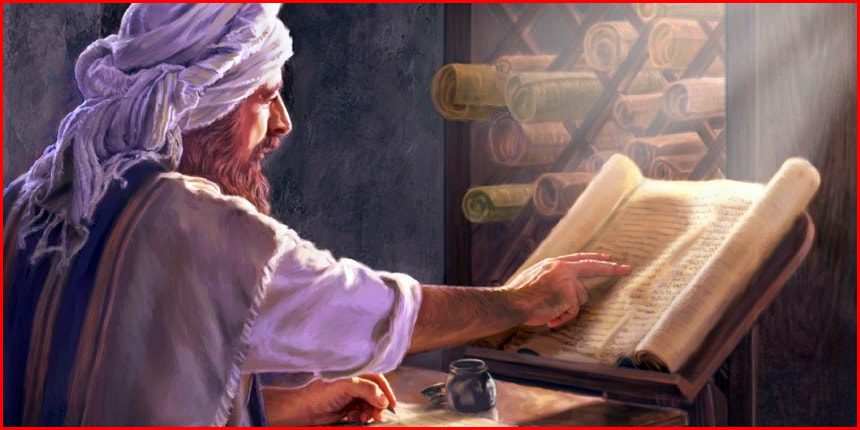
The scribes were trained in writing legal documents, deeds and copying scriptures and, because of their knowledge of scripture, they sometimes acted as interpreters and teachers of the Law. Sometimes they were referred to as lawyers. Although at times they opposed Jesus there were times when they were neutral, or even praised by Jesus.

Observe

Read Matthew 13:52. Who do you look to bring “treasures out of the storeroom” of the Bible?

Sanhedrin

Dancing in the Kingdom- Table of Contents

Dancing In the Kingdom – Part 2 – The Kingdom Revealed– Chapter 10 – The Class of Apparitions

Sanhedrin

[Bible references: Matthew 26:59; John 11:46-57; 18:28-40]

The Sanhedrin served as a religious court for the Jewish nation. The beginnings can be traced to the seventy leaders that Moses selected to help him lead the Israelites. This council eventually developed into Great Sanhedrin who ruled over all the Jews with the Lesser Sanhedrin, councils of twenty-three judges, who ruled over the individual towns. The last Sanhedrin met in AD 358 when it was dissolved by the Byzantine emperor. There have been various attempts to restart it since the 1530’s but they have not been successful.

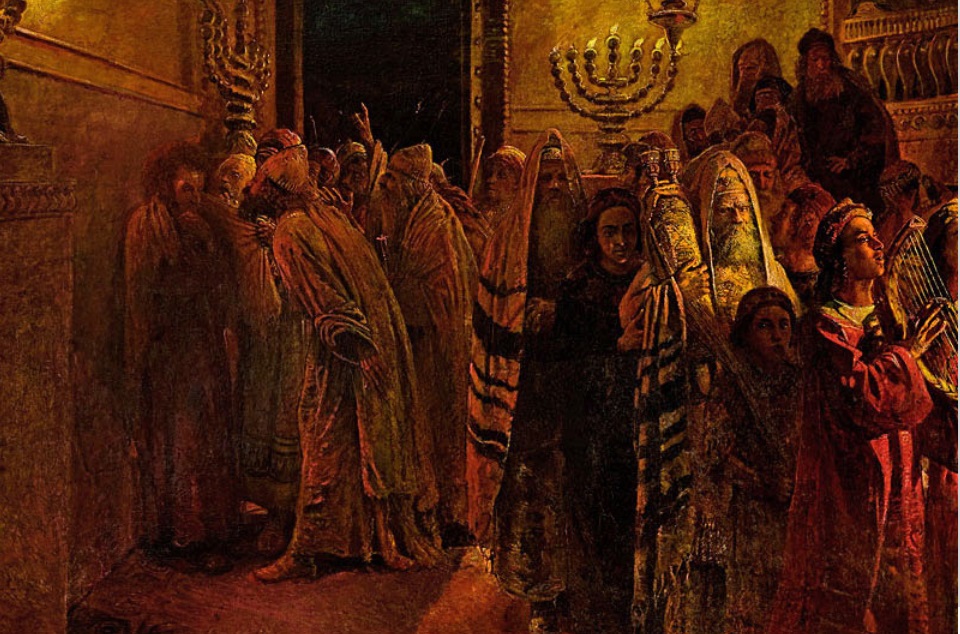
In Jesus’ time, the Sanhedrin served as a religious court while the Romans established civil laws. When Jesus was teaching in the temple courts, the Sanhedrin met to determine what to do with Jesus and made plans to arrest Jesus. It was also the Sanhedrin guards who initially arrested Jesus in the Garden of Gethsemane and brought him before the Sanhedrin for what turned out to be a mock trial. The Sanhedrin wished to put Jesus to death, but they had no authority to do that, so they sent Jesus to Pilate, the governor installed by the Romans, who was the one who ultimately authorized Jesus’ crucifixion.

Observe

Read John 18:28-40. Jesus constantly taught that his kingdom was not of this world, but he was seen as a threat by secular and religious authorities: first by King Herod and then by the Sanhedrin. Why do you think that is?

Samaritans

Dancing in the Kingdom- Table of Contents

Dancing In the Kingdom – Part 2 – The Kingdom Revealed– Chapter 10 – The Class of Apparitions

Samaritans

[Bible references: Matthew 10:5; Luke 9:51-55; 10:25-37; 17:11-19; 10:25-37; John 4:1-43]

King Omri made the city of Samaria the capital of the Northern Kingdom in the 9th century BC. The Assyrians conquered most of the Northern Kingdom in 722 BC and forced most people of the Northern into exile, never to be heard from again in history – and at the same time, Assyria repopulated the area with its own people who then intermarried with the remaining Israelites. Considered to be impure because of their intermarriage with the Assyrians, the Samaritans[1] were rejected as foreigners by the Jews returning from captivity in Babylon. This isolated the Samaritans who wanted to cling to the teachings of Moses but then consequently rejecting the further developments in the writings of the Jews and then developing their own customs, even claiming that their priests were the true descendants of the Levitical priesthood.

In response to being rejected by the main body of the Jews, around 400 BC the Samaritans built their own temple on Mount Gerizim near Shechem, the place where the tabernacle was placed after Israel entered the Promised Land. The Samaritans consider only the Torah, the five books of Moses, to be scripture, rejecting the writings or the prophets and others that the Pharisees incorporated into their scripture. Because of their close-knit community and their isolation, there is still a small community of Samaritans in existence today worshipping on Mt Gerizim.[2]

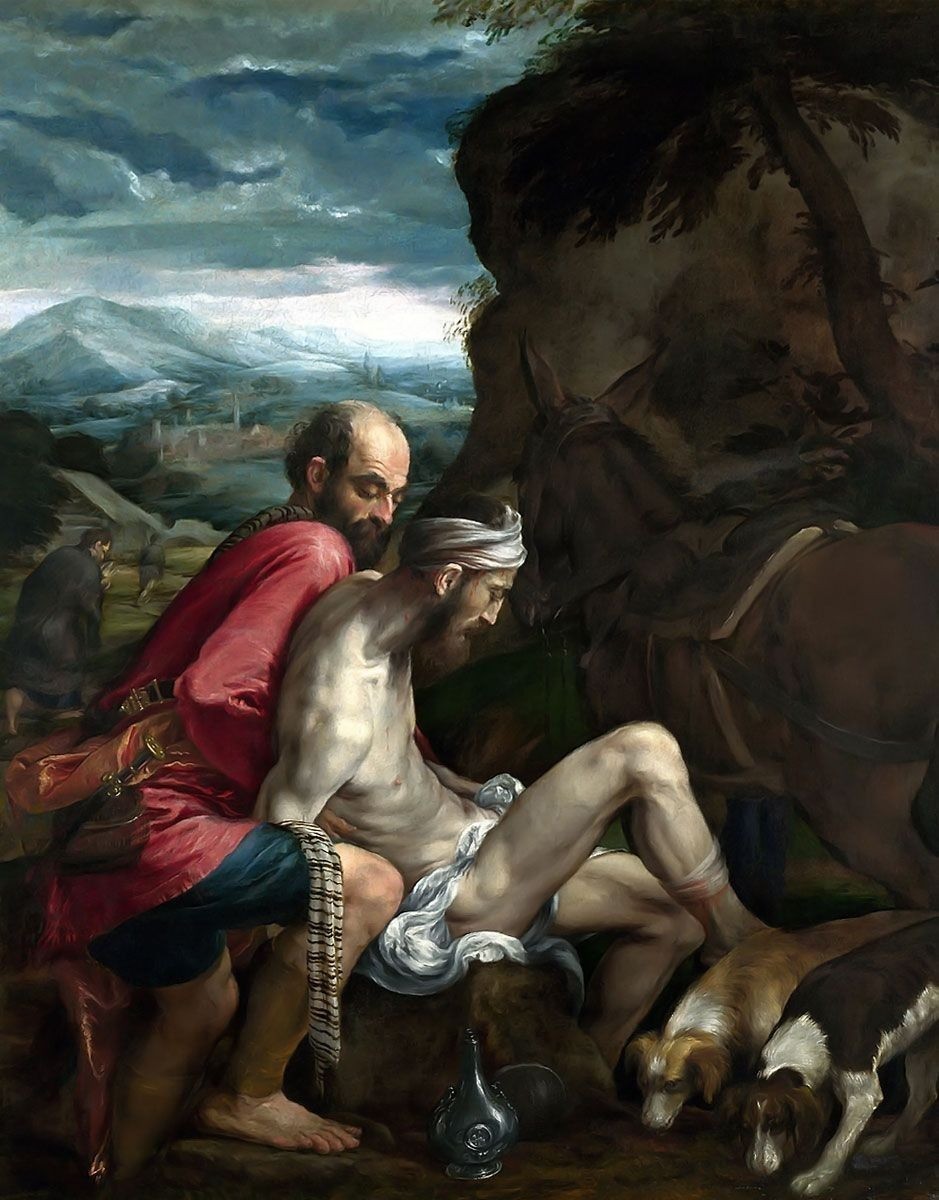
Although Jesus specified that he was sent ‘only to the lost sheep of Israel,’ he did interact a few times with others, Samaritans, and Gentiles. Samaritans and Jews normally avoided each other as they looked down on each other. When Jesus sent out the twelve apostles on an outreach mission, he specifically told them to avoid the Jews and Gentiles. Near the end of his earthly ministry as headed from Galilee, through Samaria to Jerusalem, Samaritans rebuffed his messengers. And yet on one trip from Jerusalem to Galilee he had an encounter with a Samaritan woman who was trying to draw water in the middle of the day and ended up spending two days in town. Another time the barrier also seemed to disappear when Jesus healed ten lepers and only the Samaritan leper came back to thank Jesus. When speaking to a Jewish lawyer who was trying to justify himself, Jesus shared a parable about loving neighbors and chose to show that it was a Samaritan who demonstrated love of neighbor.


[1] Riches, John. “The Word of Jesus: First -century Judaism in crisis” Chapter 1. The Political, Economic, Social, and Cultural Context of First-Century Palestinian Judaism Cambridge University Press, 1990 (p.17-18); NIV Cultural Backgrounds Study Bible eBook “Samaria and Samaritans” Zondervan 2016 (loc. 239865)

[2] UNESCO World Heritage Convention. “Mount Gerizim and the Samaritans” whc.unesco.org/en/tentativelists/5706

Reflect

How do you express love toward your neighbor?

Observe

Read John 4:1-43. What are the surprising things in this story?

Sadducees

Dancing in the Kingdom- Table of Contents

Dancing In the Kingdom – Part 2 – The Kingdom Revealed– Chapter 10 – The Class of Apparitions

Sadducees

[Bible references: 2 Samuel 8:15-18; Ezra 7; Matthew 3:7; 16:1-11; 22:23-34; Mark 12:18; Luke 20:27; Acts 4:1; 5:17; 23:6-8]

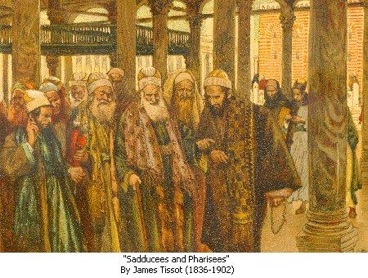
The Sadducees were priests who based their legitimacy on their descendance from Zadok, a priest who lived at the time of King David. It was the Zadokite line of priests that emigrated back to Jerusalem when Persians allowed the Israelites to return from captivity. They were intent on holding onto their power which came through the ministry of the temple. Like the Samaritans, the Sadducees regard only the writings of Moses to be scripture and they interpreted them very literally.

The corrupting influence of power caused them to cooperate with the Greeks when Israel became a client kingdom of the Greek empire. Although Pharisees were also in the Sanhedrin, the Sadducees became the prominent group controlling the Sanhedrin notably during the Greek and Roman occupation.

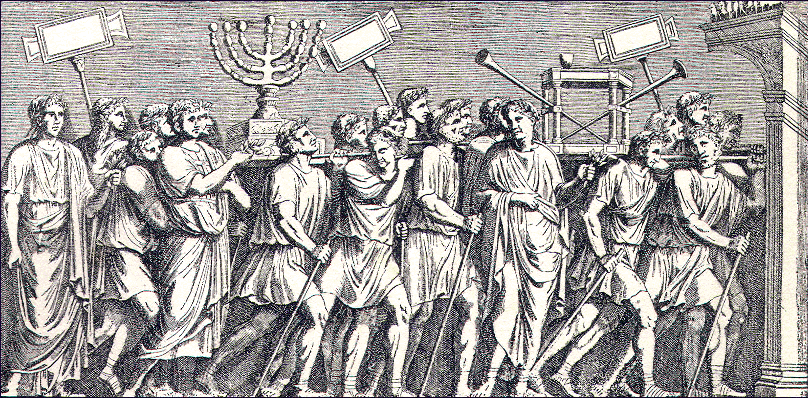
Because the Sadducees only included the books of Moses in the scripture, they did not develop any beliefs in the resurrection, which caused conflicts with both with Jesus and the Pharisees. The interactions that are recorded are all confrontational. There is an obvious tension between Jesus and the Sadducees. Jesus came to undergo death and resurrection and to eliminate the need for continual temple sacrifices, but the Sadducees did not believe in resurrection and their status was dependent on the continuation of the temple sacrifices. In contrast to the poor and needy ‘lost sheep of Israel,’ the Sadducees were the rich upper class. The Sadducees disappeared from history upon the destruction of the temple by the Romans in AD 70.

Observe

Read Matthew 16:5-11. What is the yeast of the Sadducees?

Pharisees

Dancing in the Kingdom- Table of Contents

Dancing In the Kingdom – Part 2 – The Kingdom Revealed– Chapter 10 – The Class of Apparitions

Pharisees

[Bible references: Matthew 5:20; Luke 13:31’ John 3:1-15]

The Pharisees developed out of the scribes who were copying the writings of Moses and, in doing so, were concerned with knowledge of the law, as well the writing of the prophets who came after Moses and the traditions of elders (rabbis). They were also concerned with how to interpret the law to make applicable to everyday life and there were many teachers of the law who wrote commentaries on the law, and the Pharisees also studied these commentaries. The people identified as rabbis came from this group.

The Pharisees became more identified with the everyday people, as opposed to the Sadducees who were identified with the wealthy ruling class. It is not known exactly when the Pharisees were identified as a group but may have happened as their opposition to the teachings of the Sadducees developed.

Jesus had a lot of interactions with the Pharisees. Most of what is recorded in scripture is confrontational, but the dynamics were more nuanced and could be misunderstood. By the times of Jesus, there were two main schools of rabbinic thought: the rigorist school of thought, led by Shammai the Elder, insisted on getting every detail right, particularly in the area of cleanliness, and was beyond the possibility of normal Jews to live out; the humanist school of thought, led by Hillel, was more intent on getting the spirit of the law right and was therefore within the realm of normal Jews.[1]

Another nuance had to do with the normal culture of conflict within Judaism (after all, ‘Israel’ means ‘wrestles with God’). It would have been normal for the scribes and Pharisees to question this new teacher, Jesus, and test his knowledge to see if he knew what he was talking about, although there may be a question about their motives – was the testing done to gain understanding or was the testing done to try to discredit Jesus. We shouldn’t forget the time that some Pharisees warned Jesus about Herod’s plot to kill him.


[1] Johnson, Paul. “A History of the Jews” Harper Perennial 1987 (p 127)

Observe

Read John 3:1-15. A closer reading of scripture shows that Jesus did not just have a confrontational relationship with the Pharisees but had a more nuanced relationship. This can be particularly seen with Jesus’ interaction with Nicodemus. Describe the type of interaction between Nicodemus and Jesus.

Lost Sheep of Israel

Dancing in the Kingdom- Table of Contents

Dancing In the Kingdom – Part 2 – The Kingdom Revealed– Chapter 10 – The Class of Apparitions

Lost Sheep of Israel

[Bible references: Matthew 9:10-13; 10:5-6; 15:21-28; Mark 2:15-17]

In the Old Testament, the term ‘lost sheep’ initially referred to all of Israel. After the division of the kingdom, the term ‘lost sheep’ referred to the northern tribes of Israel. In the New Testament, Jesus uses the term, ‘lost sheep of Israel,’ to distinguish the people to whom his ministry would focus on. When Jesus used the term ‘lost sheep of Israel’ it is to specify that Jesus only intended, at that time, to serve the Jews in Israel, not to the Gentiles, not to the Samaritans and not to Jews that are in other countries.

Jesus’ ministry focused his efforts on the ‘lost sheep of Israel.’ The ‘lost sheep’ were people who knew they needed help, needed to be rescued from their situation and were aware of their need for healing, wholeness, and love. They were the sinners, tax-collectors, harlots, and backslidden. They found in Jesus one who loved them and did not reject them when they acknowledged their needs.

Reflect

The “lost sheep” in this case does not mean their location was unknown but that they didn’t where they were going, they did not have shepherds who knew where to lead them. Where is your life headed?

Observe

Read Matthew 9:10-13; 10:5-6. How are the “lost sheep” described?

Herodians

Dancing in the Kingdom- Table of Contents

Dancing In the Kingdom – Part 2 – The Kingdom Revealed– Chapter 10 – The Class of Apparitions

Herodians

[Bible references: Matthew 22:16; Mark 3:6; 8:15; 12:13]

The Herodians were a political party who were openly supportive of King Herod and therefore opposed to all who were considered enemies of Herod, including Jesus. To that end they associated with the Sadducees in their support of King Herod. However, they were known to have joined forces with the Pharisees in trying to entrap Jesus.

Observe

Read Mark 8:1-27. What was Jesus referring to when He warned His disciples to avoid the leaven of Herod?

Gentiles

Dancing in the Kingdom- Table of Contents

Dancing In the Kingdom – Part 2 – The Kingdom Revealed– Chapter 10 – The Class of Apparitions

Gentiles

[Bible references: Matthew 4:15; 8:5-13; 15:21-28; Luke 6:17-19]

The term, Gentile. refers to anyone who is not Jewish. When we think of Jesus’ interactions with the Gentiles, we primarily think of their role during Jesus’ trial and execution, but there were a couple of instances of Gentiles displaying great faith. Jesus had high praise for the faith of a Roman centurion when the centurion trusted the Jesus to heal his servant while Jesus was still a distance away from the servant. In another case, a Canaanite woman persisted in seeking Jesus’ healing for her demon oppressed daughter. Even though Jesus’ reminded her of his mission to ‘the lost sheep of Israel’ she still pressed the issue by insisting that even dogs eat the crumbs from the master’s table. Additionally, many Gentiles came with all the Jews to listen to Jesus and to be healed.

Observe

Read Matthew 15:24. Jesus proclaimed that he was only sent to the “lost sheep of Israel”. How does Jesus’ interaction with the Gentiles fit with that?

Essenes

Dancing in the Kingdom- Table of Contents

Dancing In the Kingdom – Part 2 – The Kingdom Revealed– Chapter 10 – The Class of Apparitions

Essenes

[Bible references: Leviticus 11; 15:31; Ezra 10:11]

And when they prepare the table to dine or the new wine for drinking, the priest shall stretch out his hand as the first to bless the first fruits of the bread {or the new wine for drinking, the priest shall stretch out his hand as the first to bless the first fruits of the bread} and of the new wine. [1]

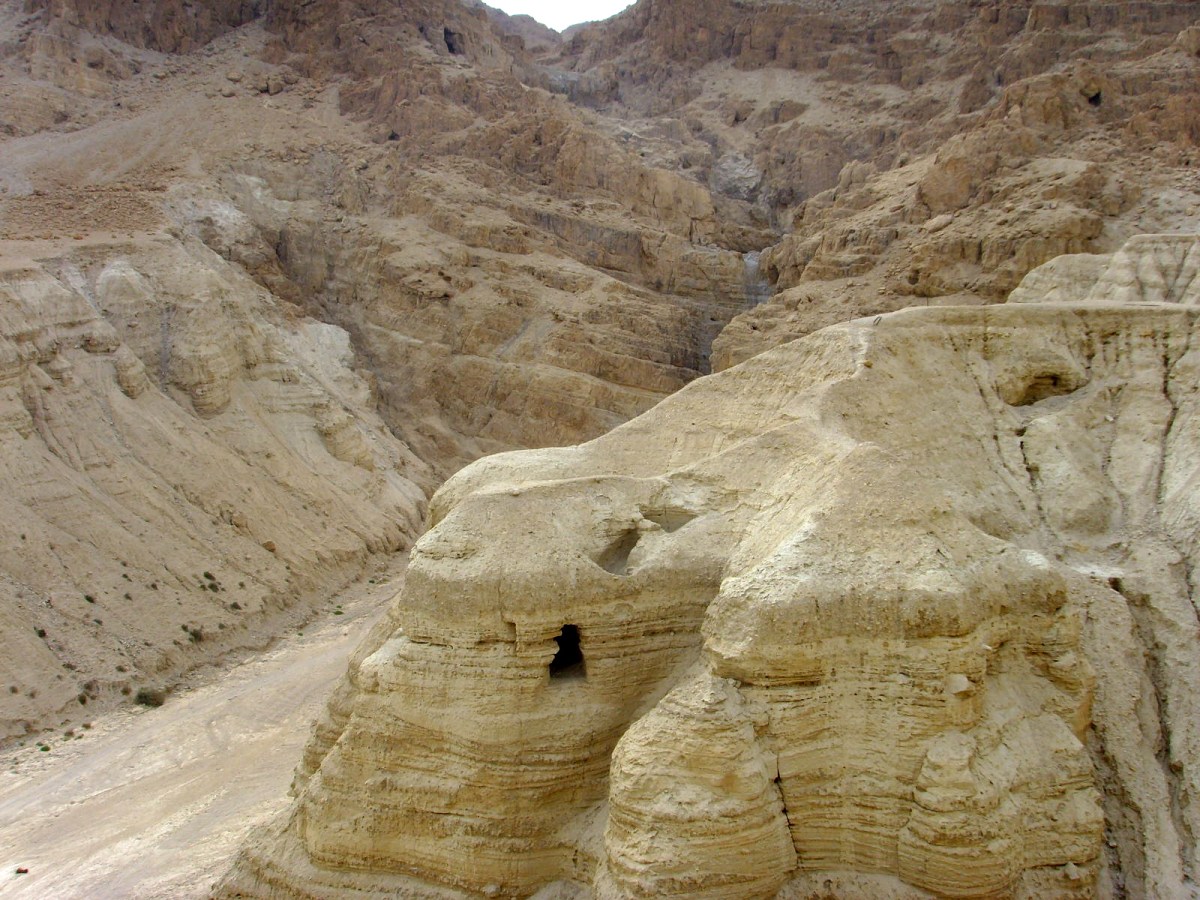
The origin of the Essenes[2] is somewhat mysterious and was largely unknown until the discovery of the Dead Sea Scrolls[3]. The Essenes were a sect that isolated themselves in the desert and maintained minimal contact with outsiders. They are possibly an offshoot of the “Hasideans” (aka “the pious ones”), mentioned in 1 Maccabees. They considered the temple and its practices to be corrupted and considered themselves to be the ‘chosen ones’ who would be saved at the end times. They lived communally and celibately and had a 3-year probationary process before accepting new members. There are unproven speculations that John the Baptist and Jesus were affiliated with the Essenes.

Although there is no direct evidence of Jesus interacting with the Essenes, the criticisms that Jesus raised against the Pharisees were similar to the criticisms that the Essenes had. Later on, as we examine the practices of the early church, we will also see parallels to the Essenes. Jesus’ followers and the Essenes anticipated an eschatological restoration of Israel, and both groups also believed in the necessity of national purification.


[1]  Martinez, Florentino Garcia. “The Dead Sea Scrolls Translated,” Community Rule 1QS Column 6:4-6 (p79)

[2] Riches, John. “The World of Jesus: First Century Judaism in Crisis,” Cambridge University Press, 1990; Gutierrez, Juan Marcos Bejarano. “The Judaisms of Jesus’ Followers” Yaron Publishing, 2017; Gutierrez, Juan Marcos Bejarano. “Forgotten Origins” Yaron Publishing, 2017; Crossan, John Dominic. “The Birth of Christianity” HarperSanFrancisco 1999; NIV Cultural Backgrounds Study Bible, Zondervan 2016 Kindle book (locations 214907, 22713); NIV First-Century Study Bible, Biblica 1973 Kindle book (Location: 91578)

[3][3] The Dead Sea Scrolls are considered by many to be the most significant archaeological find of the 20th century. From 1947 to 1956, thousands of scroll fragments were uncovered from the caves near Qumran, located on the northwestern shore of the Dead Sea. (Biblical Archaeology Society, “What are the Dead Sea Scrolls”  www.biblicalarchaeology.org/daily/biblical-artifacts/dead-sea-scrolls/what_are_the_dead_sea_scrolls.

Observe

Read Leviticus 11; 15:31; Ezra 10:11. The Israelites could not follow all the laws concerning cleanliness without keeping some degree of separation from cultures around them. But it seems that the Israelites kept getting drawn away from following Yahweh. What temptations draw Christians away from following Yahweh?