
Dancing in the Kingdom- Table of Contents
Dancing In the Kingdom – Part 1 – Shadows of the Kingdom – Chapter 3 – The image-bearers
Co-sovereigns and servants
[Bible references: Genesis 1:26-28; 2:15; Exodus 19:6; Ezekiel 34:1-10; Matthew 23:11; Mark 10:35-45; Luke 22:26-27; Acts 2; 1 Corinthians 12:12-13; 1 Peter 2:9]
We are created in the image of the Creator, endowed with His attributes. With the attributes of God overflowing in our lives, He blessed us 1) with the pleasure of sex so that we would “be fruitful and multiply and fill the earth,” and 2) with the pleasure of acting on His behalf so that we would subdue it and rule over its creatures as His co-sovereigns. As creatures in His image, we have been given great abilities, and it is out of that mastery of those abilities that we have managed to use the resources of the earth to create all the technological advances that we have. Unfortunately, in many cases we have abused our abilities; abusing not just the resources of the earth but often abusing each other.
In our sinfulness, we typically appeal to our call to sovereignty while forgetting our call to service. This very issue Jesus took care to remind us of on many occasions. If we mistreat the earth that we are placed in or if we mistreat others, then we dishonor not only the one in whose image we are made but we also dishonor the other image-bearers of God. In fact, it is out of our call to sovereignty and service that we are called to love, to willingly give of ourselves to the service of God just as God gave of himself to us.
It is under the constraint of God’s love that he tells us to “subdue” and “have dominion” over his creation. As God’s stewards, our sovereignty means we have the responsibility to maintain the good in God’s creation, to bring order to it and to help his creatures flourish and fill the earth.
There are two dimensions to our responsibility to subdue and have dominion.
When Genesis 1 was written, it was hard work to cultivate the rocky soil and people had little control of the elements; people were more powerless than powerful. In that context we see the forceful aspect of radah (ruling the earth) that is evident in other instances in the Bible when that word is used. That is one dimension of our responsibility.
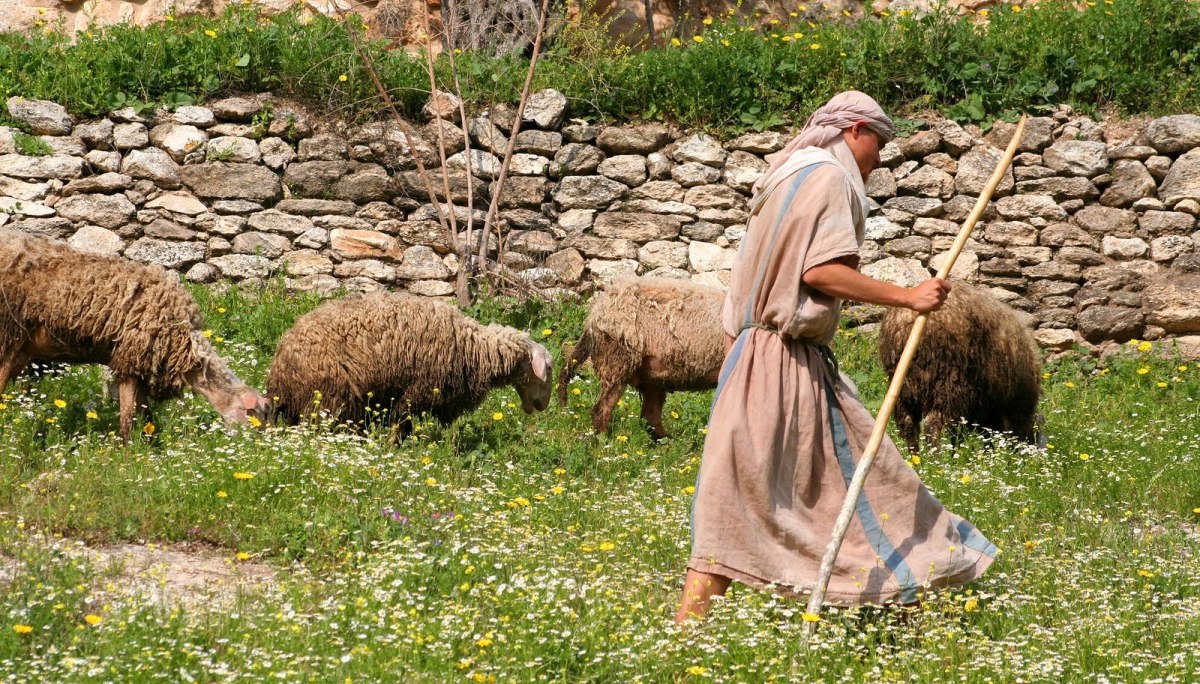
But another dimension of our responsibility to have “dominion” is tempered by gentleness, such as when God spoke through Ezekiel’s to the “shepherds of Israel” and reprimanded them for using cruelty and violence and caring more about themselves than the people they were responsible for, serving themselves instead of the people.
In our service, we are dependent on one another. We were not made to be self-sufficient; we not only need to have a relationship with God but also with each other. God allowed the first man to see that he needed another human before God presented the man with a woman to be his ‘ezer kegnedo. In Hebrew, ‘ezer is usually translated as “helper” or “deliverer” and is most often used to describe God delivering his people; kegnedo is usually translated as “in front of” or “opposite” or “parallel to.”[1]
Later on, in scripture we see that we are called to be a nation of priests and a body where all the different parts have a purpose as they work together. We are called not just to a restored relationship with the one who made us but are called together as a people to serve each other and to serve the world around us.
[1] Blue Letter Bible “ezer” Strong’s concordance, Blue Letter Bible www.blueletterbible.org/lang/lexicon/lexicon.cfm?t=kjv&strongs=h5828; Bible Hub “Neged” Strong’s concordance, Blue Letter Bible www.blueletterbible.org/lexicon/h5048/kjv/wlc/0-1/
Reflect
God provides the model of servant-leadership (see Chapter 2). What are some ways in which that should affect the way we take care of the earth and each other?
Observe
Read Gen 1:26-28; 2:15. Gen 2:15 shows God putting people in the garden to (depending on your translation) dress/guard/work/till/cultivate/serve it and to keep/take care/guard/look after it. So these verses together talk about our authority over Creation and our obligation to serve it. How do we do both?

 Dancing In The Kingdom